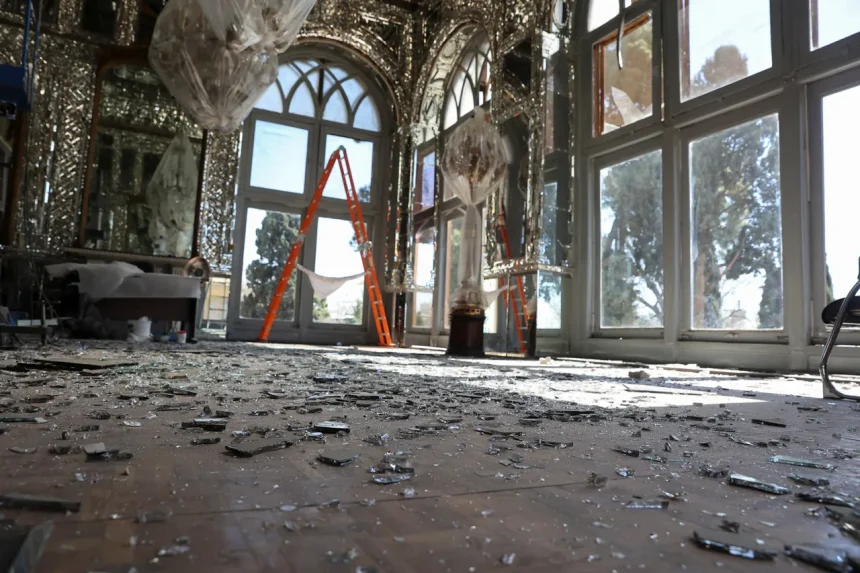
- Interior photographs of the palace show broken glass, splintered wood, and extensive destruction of decorative elements
- He also highlighted concerns for sites in Israel, Lebanon, and other Middle Eastern countries
UNESCO has expressed serious concern over the condition of world heritage sites in Iran and the broader Middle East following recent conflict-related damage.
Among the affected landmarks are Tehran’s Golestan Palace, often likened to France’s Versailles, and a historic mosque and palace in Isfahan, Eko Hot Blog gathered.
EDITOR’S PICK
- “Pay Her Transport Fare Too”, Pete Edochie Stirs Debate on Dating Expenses
- Epe Students Parliament Declares Executive Seats Vacant Over Inauguration Dispute
- Osimhen Warns Galatasaray Ahead of Liverpool Match
On Wednesday, the United Nations cultural organization called on all parties involved in the conflict to safeguard the region’s invaluable cultural heritage.
According to UNESCO, four of Iran’s 29 recognized world heritage sites have suffered damage since hostilities escalated between Iran, the United States, and Israel.
“UNESCO is extremely worried about the early impacts of these hostilities on numerous world heritage sites,” said Lazare Eloundou Assomo, director of UNESCO’s World Heritage Centre.
He also highlighted concerns for sites in Israel, Lebanon, and other Middle Eastern countries.
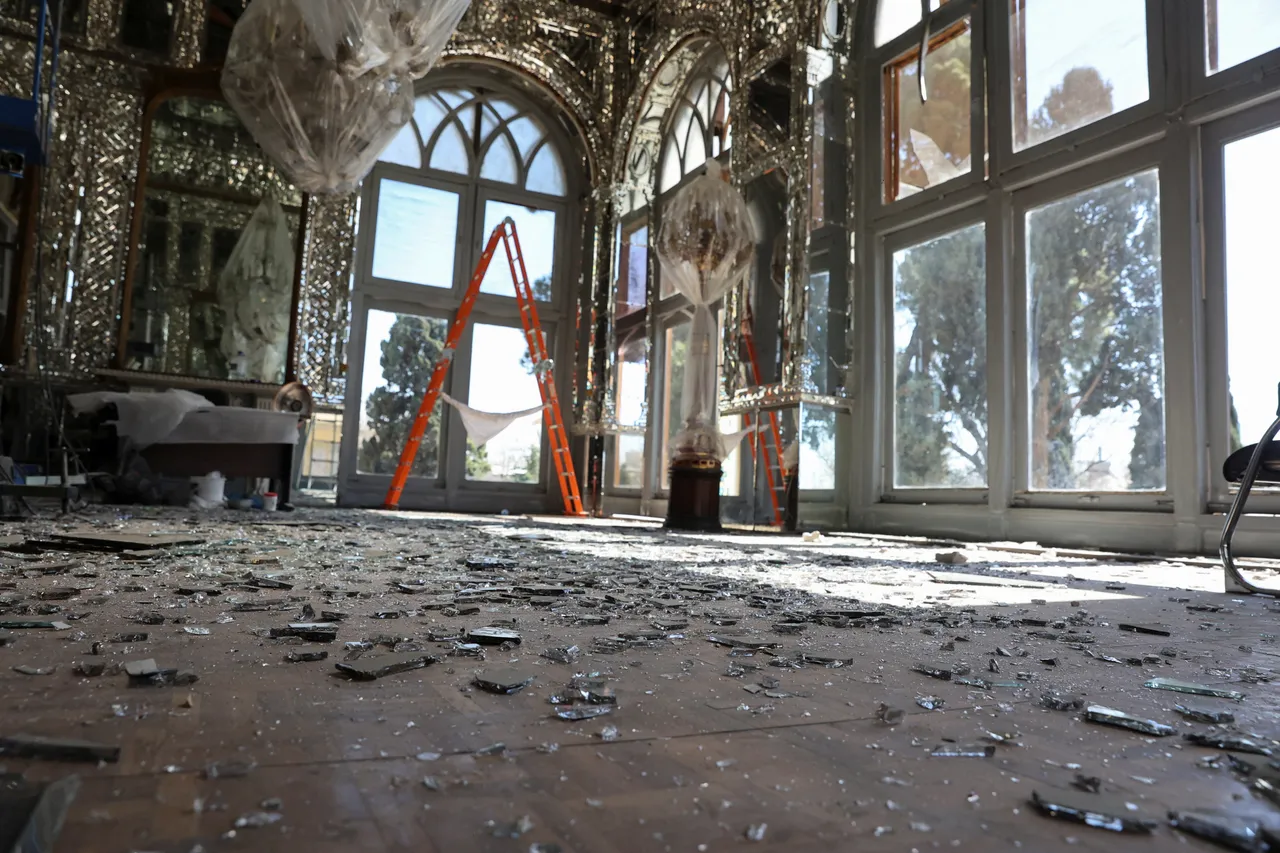
Golestan Palace, which served as the royal residence and seat of power for Iran’s Qajar dynasty, incorporates European artistic influences into traditional Persian architecture. “It is sometimes compared to the Versailles Palace in France,” Assomo noted. “Unfortunately, it has suffered damage. While the full extent is not yet clear, images indicate significant impact.”
Interior photographs of the palace show broken glass, splintered wood, and extensive destruction of decorative elements.
Beyond Tehran, the city of Isfahan, once a key Silk Road hub, hosts the Masjed-e Jame, a mosque over a millennium old that illustrates the development of Islamic architecture over 12 centuries. UNESCO also reported damage near the prehistoric sites of the Khorramabad Valley.
To help protect these treasures, UNESCO has provided precise coordinates of key cultural sites to all conflict parties and continues to monitor the situation closely.
“We are urging the safeguarding of all culturally significant locations, which embody the history of civilizations across 18 countries in the region,” Assomo said.
The warnings come amid heightened tensions, including statements from US leadership suggesting the potential for extensive military action that could threaten Iran’s infrastructure and cultural landmarks.
FURTHER READING