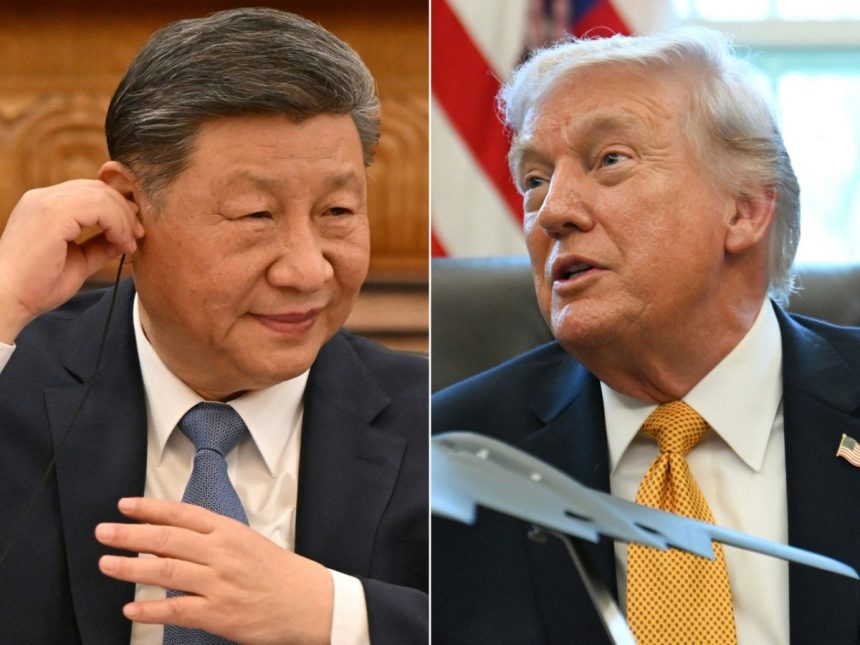
- However, the trip is now uncertain because of the ongoing war involving Iran
- According to Trump, the delay simply reflects the need for him to stay in the United States while the war continues
- Lin Jian noted that diplomacy between national leaders plays a crucial role in guiding relations between Beijing and Washington
U.S. President Donald Trump said on Monday that he has asked China to postpone his planned summit with Chinese President Xi Jinping by about a month as he focuses on the escalating conflict in the Middle East.
Eko Hot Blog reports that Trump had originally been scheduled to travel to Beijing from March 31 to April 2 for talks aimed at easing tensions and extending the trade truce between the United States and China.
EDITOR’S PICK
- Why Return of Lagos Monthly Sanitation Exercise is Long Overdue
- Four Killed as Truck Crashes Into Bus on Lekki–Epe Expressway
- Uzodimma: Tinubu Reforms Prevent Fuel Crisis
However, the trip is now uncertain because of the ongoing war involving Iran.
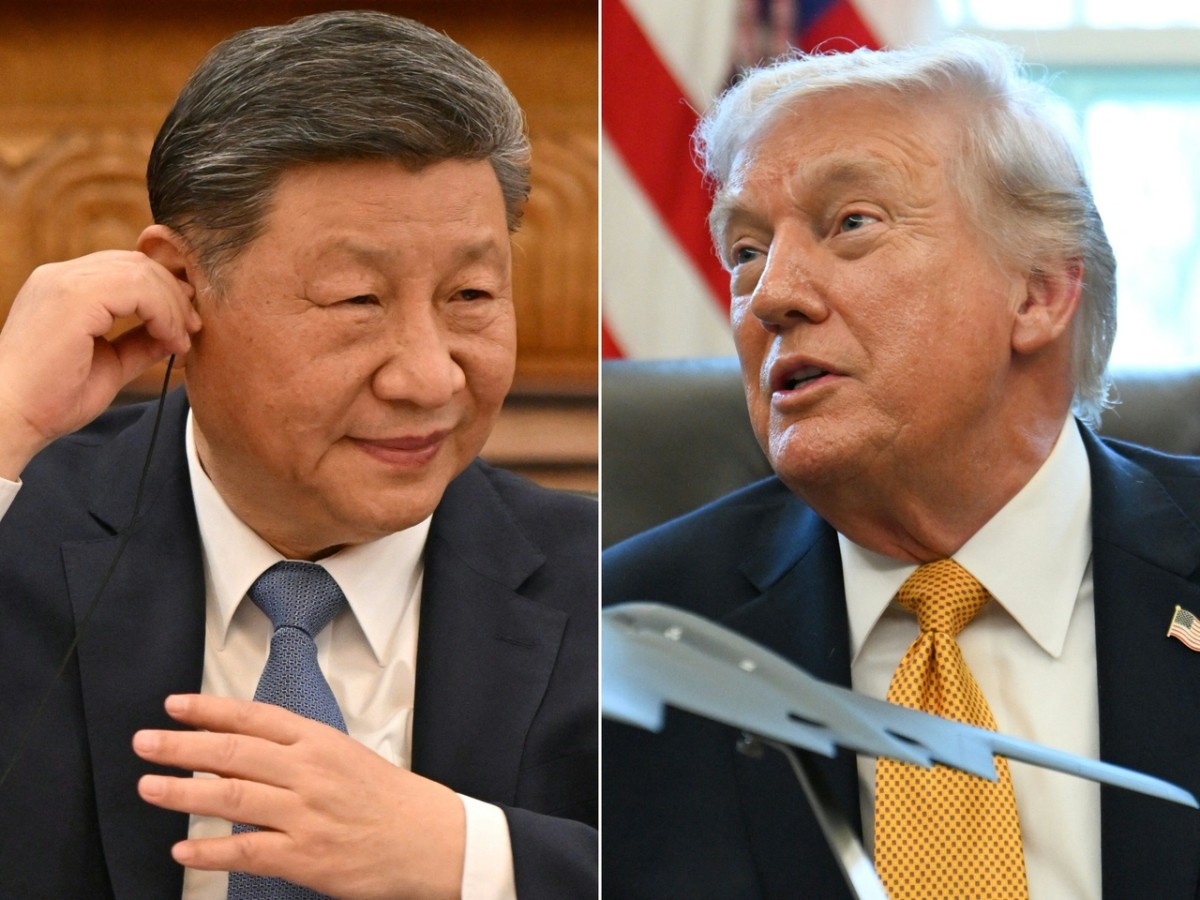
Speaking to reporters at the White House, Trump explained that the situation in the Middle East requires his attention in Washington.
He said his administration had formally requested that the meeting with Xi be delayed for roughly a month so he can focus on the conflict.
The U.S. leader stressed that the decision was not a diplomatic tactic and insisted that relations with China remain positive.
According to Trump, the delay simply reflects the need for him to stay in the United States while the war continues.
In an earlier interview with the Financial Times, Trump also indicated that the timing of the summit could depend partly on whether China would assist efforts to reopen the Strait of Hormuz.
The vital shipping route has been effectively blocked by Iran in response to military actions by the United States and Israel against Tehran. The strait is one of the world’s most important corridors for transporting oil.
Despite the uncertainty surrounding the summit, officials from both sides described recent economic discussions as productive. U.S. Treasury Secretary Scott Bessent said talks in Paris with Chinese Vice Premier He Lifeng were constructive and demonstrated stability in the relationship between the two economic powers.
The meetings also included U.S. trade representative Jamieson Greer and China’s trade negotiator Li Chenggang.
Chinese state media described the discussions as open, detailed and productive, saying they could help strengthen trade ties and bring greater stability to the global economy.
China’s Foreign Ministry spokesperson Lin Jian noted that diplomacy between national leaders plays a crucial role in guiding relations between Beijing and Washington.
However, he did not comment directly on Trump’s request for help from China and NATO allies in reopening the Strait of Hormuz.
Greer also revealed that both sides had discussed the possibility of creating a “U.S.–China Board of Trade,” which would help determine priority areas for imports and exports between the two countries to support mutually beneficial economic cooperation.
Relations between the world’s two largest economies have remained tense since Trump returned to office. The United States recently launched trade investigations into industrial overcapacity and alleged forced labor practices, targeting around 60 economies, including China.
Beijing has protested the move and urged Washington to reconsider what it described as unfair trade policies, while Chinese officials reiterated their opposition to unilateral investigations.
Meanwhile, the Middle East conflict continues to influence global markets. With the Strait of Hormuz disrupted and Iran targeting energy infrastructure in neighboring Gulf countries, oil prices have surged by roughly 40–50 percent.
Analysts say China’s large oil reserves may help it withstand the immediate energy impact. However, as a major export-driven economy, Beijing remains concerned about how prolonged instability in the Middle East could affect global trade.
FURTHER READING