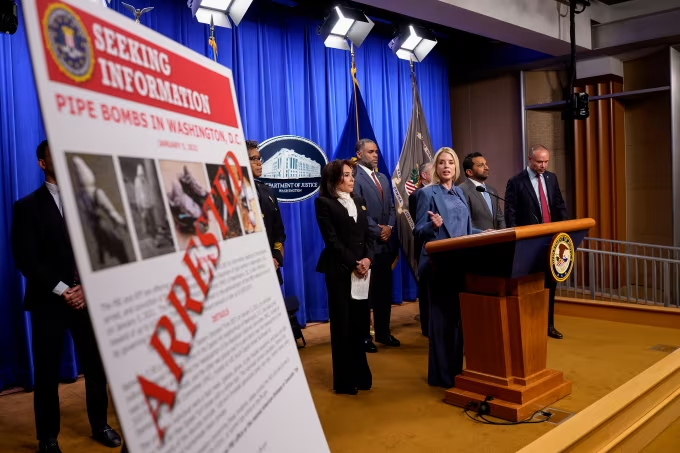
- Attorneys for Brian Cole Jr., the Virginia man accused of planting explosives at the RNC and DNC headquarters, have filed a motion to dismiss his case, arguing he is covered by a sweeping January 6 clemency order.
- The defense contends that Cole’s alleged actions on January 5, 2021, are “inextricably tethered” to the Capitol riot events, despite the White House insisting the pardon only applies to conduct occurring on January 6.
- Cole, who was arrested in December 2025 following a years-long FBI investigation, has pleaded not guilty to charges of transporting and attempting to use explosives, with his team maintaining his innocence.
Brian Cole Jr., the man suspected of planting two pipe bombs the night before the 2021 U.S Capitol riot, seeks to have his federal charges dropped.
Eko Hot Blog reports that in a motion filed on Monday, March 16, 2026, Cole’s legal team argued that the “full, complete, and unconditional pardon” issued by the presidency for January 6 rioters must legally extend to him.
EDITOR’S PICK
- Ogun Begins Crackdown on Illegal Parks at Sango Border Over Rising Accidents
- Police Nab 30-Year-Old ‘Super M’ During Stop-and-Search in Lagos
- LASG Launches Investigation Into Cosmetic Surgery Death
The defense insists that the placement of the devices was a direct precursor to the following day’s unrest and therefore falls under the umbrella of the executive’s expansive clemency.
The prosecution’s case against Cole alleges that he spent months compiling bomb-making materials before placing viable explosive devices outside the headquarters of both the Republican and Democratic National Committees on the evening of January 5, 2021.
Law enforcement officials have long maintained that the discovery of these bombs served as a critical diversion, drawing police resources away from the Capitol building just as the violence began to escalate on January 6.
However, the White House has moved quickly to dispute this interpretation of the pardon.
An official statement clarified that the clemency was specifically tailored to events occurring “at or near the Capitol on January 6” and does not cover activities from the preceding day.
This distinction sets the stage for a landmark judicial ruling on the precise temporal and geographical boundaries of the presidential pardon power as it relates to the 2021 insurrection.
Cole’s attorneys are grounding their defense in the argument that their client’s alleged conduct is not “wholly independent” of the Capitol events.
They also pointed to Cole’s personal history, noting his diagnosis of autism and his lack of a violent criminal record prior to these allegations.
Cole himself told investigators that his presence in the D.C. area was motivated by his belief that the 2020 election had been stolen, though he maintains that the devices he is accused of planting were never intended to and could not explode.
The FBI’s investigation, which spanned four years, utilized cell tower data and security footage to track the movements of the “pipe bomber” through the Capitol Hill neighborhood.
Following his arrest at the home he shared with his parents, Cole pleaded not guilty to the federal charges.
If the judge denies the motion to dismiss, the case is expected to proceed to a trial that will likely become a focal point for debates over political violence and the limits of executive mercy in the modern era.
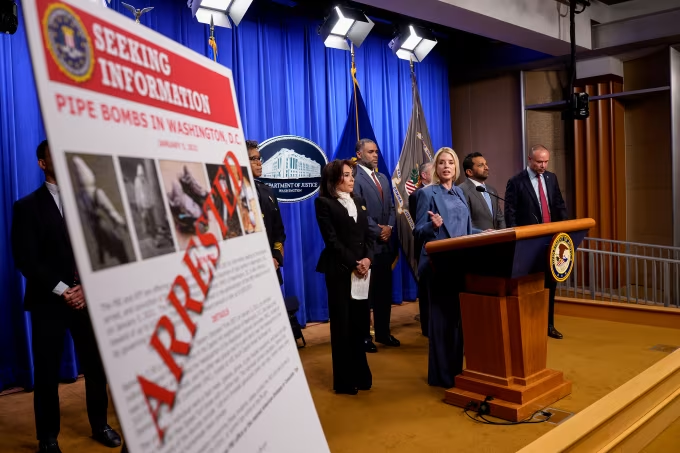
As the federal court prepares to weigh these arguments, the outcome could have far-reaching implications for others facing charges related to the periphery of the January 6 events.
For now, the legal community and the public remain focused on whether a man accused of a pre-planned explosive attack can successfully claim the same protection granted to those who stormed the halls of Congress.