- the Israeli leader rejected claims that his government had misled the United States or drawn it deeper into the conflict
- Abdurrahman Al-Thani, warned that the attack could have serious consequences for global energy supply
- Abbas Araghchi, issued a stern warning, saying Iran would exercise no restraint if its infrastructure is targeted again
Israel’s Prime Minister, Benjamin Netanyahu, has stated that Israel acted independently in its recent strike on an Iranian gas facility, amid rising tensions over attacks on key energy infrastructure in the region.
Eko Hot Blog gathered that the strike targeted South Pars, a section of the world’s largest natural gas field located in Iran. In response, Tehran launched counterattacks, including strikes on energy facilities in Qatar and other locations across the Gulf.
EDITOR’S PICK
- Why Return of Lagos Monthly Sanitation Exercise is Long Overdue
- Four Killed as Truck Crashes Into Bus on Lekki–Epe Expressway
- Uzodimma: Tinubu Reforms Prevent Fuel Crisis
The escalation has unsettled global energy markets, driving up prices. Meanwhile, U.S. President Donald Trump said he had not been informed beforehand about the Israeli operation, raising concerns about the level of coordination between both allies.
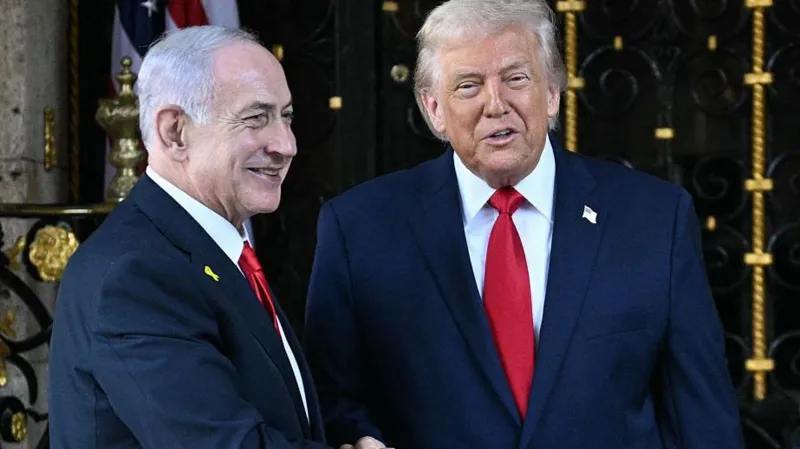
At a press briefing on Thursday, Netanyahu revealed that Trump had since urged Israel to avoid further attacks on energy infrastructure.
Despite earlier reports suggesting prior coordination with Washington, the Israeli leader rejected claims that his government had misled the United States or drawn it deeper into the conflict.
The situation marks a significant intensification of hostilities involving Israel, the U.S., and Iran. Tehran had already taken steps to disrupt global oil movement by limiting shipping through the Strait of Hormuz, a critical route that handles a substantial portion of the world’s daily oil supply.
Following Iran’s strike on Qatar’s Ras Laffan industrial zone, home to a major liquefied natural gas processing facility, state energy company QatarEnergy reported that a notable share of its export capacity had been affected.
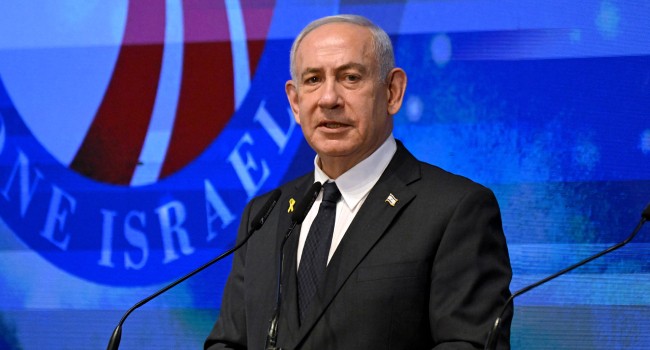
Qatar’s Prime Minister, Mohammed bin Abdurrahman Al-Thani, warned that the attack could have serious consequences for global energy supply, describing it as a dangerous escalation.
Iran’s Foreign Minister, Abbas Araghchi, issued a stern warning, saying Iran would exercise no restraint if its infrastructure is targeted again.
Gas prices, already climbing due to the conflict, surged further after the attacks, with sharp increases recorded in both the UK and European markets.
Amid the instability, the U.S. is reportedly considering easing sanctions on some Iranian oil exports in an effort to stabilise energy markets.
Netanyahu also claimed that Israel has significantly weakened Iran’s military capabilities, including targeting naval assets in the Caspian Sea.
He added that while Israel could create pressure on the Iranian government, any move to change leadership would ultimately depend on the Iranian people.
Meanwhile, verified footage showed smoke and fire at an oil refinery in Haifa following a reported Iranian missile strike.
Israel’s Energy Minister, Eli Cohen, said the damage to the country’s northern power grid was limited and under control.
FURTHER READING