- Trump has repeatedly called on major allies, none of whom were consulted about the military operations
- Trump criticized NATO members for avoiding participation in the fight against Iran
- Macron stressed that defending international law and promoting de-escalation remains the priority
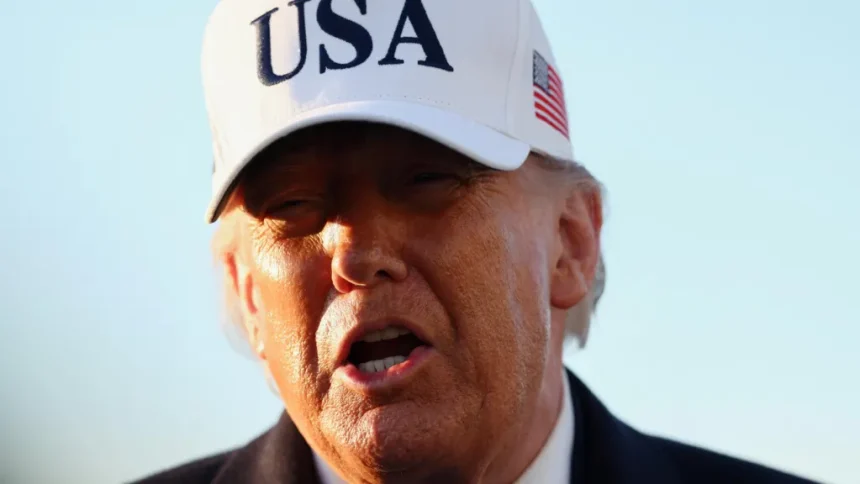
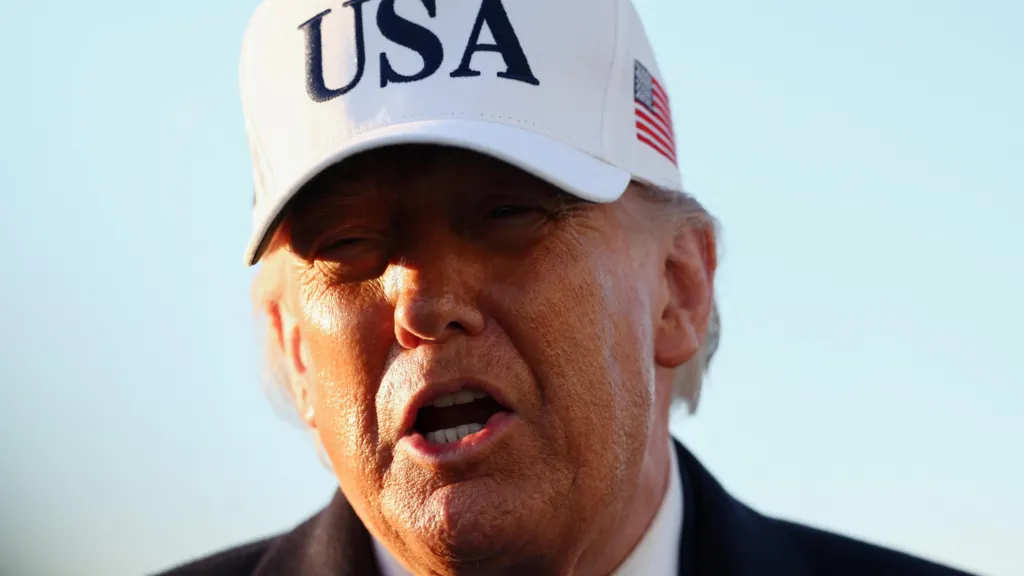
President Donald Trump sharply criticized NATO allies on Friday, accusing them of failing to support the U.S. and Israel in the ongoing conflict with Iran.
Eko Hot Blog gathered that he labeled longtime allies as “cowards” in a social media post, asserting that without American involvement, “NATO is a paper tiger.”
EDITOR’S PICK
- Why Return of Lagos Monthly Sanitation Exercise is Long Overdue
- Four Killed as Truck Crashes Into Bus on Lekki–Epe Expressway
- Uzodimma: Tinubu Reforms Prevent Fuel Crisis
Trump has repeatedly called on major allies, none of whom were consulted about the military operations, to assist in ensuring the safe passage of ships through the Strait of Hormuz, a key maritime route controlled by Iran.
The conflict, which began with U.S.-Israel strikes on February 28, has caused thousands of deaths, displaced millions, and disrupted global markets.
In his post, Trump criticized NATO members for avoiding participation in the fight against Iran while still complaining about rising oil prices. He wrote:
“Now that fight is militarily won, with very little danger for them, they complain about the high oil prices they are forced to pay, but don’t want to help open the Strait of Hormuz, a simple military maneuver that is the single reason for the high oil prices. So easy for them to do, with so little risk. COWARDS, and we will REMEMBER!”
Earlier, Germany, Britain, France, Italy, the Netherlands, Japan, and Canada issued a joint statement pledging to participate in “appropriate efforts to ensure safe passage through the Strait.”
However, German Chancellor Friedrich Merz emphasized that this commitment depends on the cessation of hostilities.
French President Emmanuel Macron, speaking after an European Union summit in Brussels, stressed that defending international law and promoting de-escalation remains the priority.
He added that no European leaders had expressed interest in joining the conflict, noting: “Quite the opposite.”
The tensions highlight the growing rift between the U.S. and its traditional allies over strategy in the Middle East, with Washington urging more direct support while Europe focuses on diplomatic and legal measures.
FURTHER READING