- Minister of State for Petroleum Resources (Gas), Ekperikpe Ekpo, has intensified high-level talks in London to kickstart a massive $20bn transcontinental gas project.
- The proposed pipeline is designed to transport 30 billion cubic metres of gas annually from Nigeria’s southern fields, passing through Chad and Libya, and crossing under the sea to Sicily, Italy.
- The project aims to turn Nigeria into a primary energy supplier for the European market while significantly reducing gas flaring and creating thousands of local jobs.
The Federal Government is moving closer to a historic energy deal that could redefine Nigeria’s role in the global economy.
Eko Hot Blog reports that speaking on Friday, March 20, 2026, Minister Ekperikpe Ekpo confirmed that Nigeria is actively seeking international investors to back a $20bn pipeline corridor that would link the nation’s vast gas reserves directly to Europe.
EDITOR’S PICK
- Ogun Begins Crackdown on Illegal Parks at Sango Border Over Rising Accidents
- Police Nab 30-Year-Old ‘Super M’ During Stop-and-Search in Lagos
- LASG Launches Investigation Into Cosmetic Surgery Death
The Minister emphasized that the Petroleum Industry Act (PIA) and recent executive orders by President Bola Tinubu have created the “perfect environment” for such a large-scale investment.
According to the plan, the pipeline will serve as a “transformative corridor,” ensuring that Nigeria’s natural resources are used to better the lives of its citizens while meeting the growing energy demands of European nations.
NNPC Limited is also throwing its full weight behind the project. Olalekan Ogunleye, the Executive VP for Gas, Power and New Energies, assured global stakeholders that the national oil company is “ready for business.”
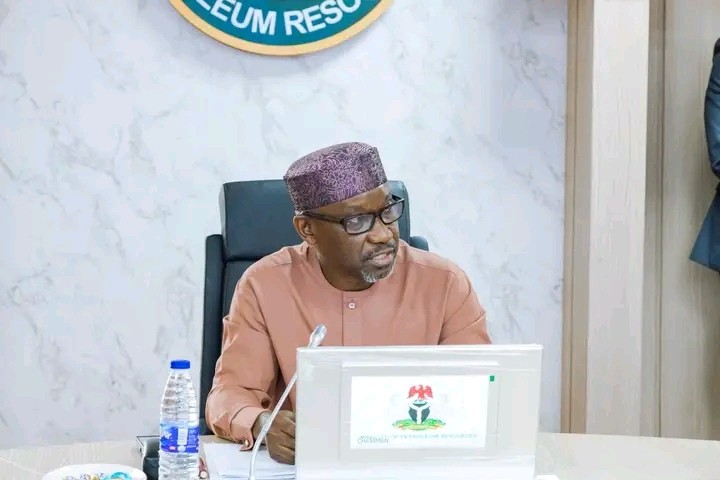
He noted that the NNPC’s strategy is now firmly aligned with the President’s agenda to remove bottlenecks and unlock value across the entire gas supply chain.
The project is being spearheaded by a consortium led by Netoil Inc., whose CEO, Roger Tamraz, described the pipeline as a “strategic win-win.”
While still in the early developmental stages, the project is expected to undergo rigorous technical and regulatory reviews.
If successful, it would position Nigeria as a dominant competitor in the global gas market, providing a cleaner energy alternative and a steady stream of foreign revenue for the country.