- Jehovah’s Witnesses Clarify Blood Policy, Allow Members Choice on Own Blood
- Maintains Ban on Donor Blood
- Jehovah’s Witnesses have historically based their refusal of blood transfusions on biblical passages prohibiting the ingestion or use of blood
Jehovah’s Witnesses have issued an update on their position regarding blood transfusions, giving members the freedom to make personal decisions about the use of their own blood during medical procedures.
Eko Hot Blog reports that the announcement, shared in a video on the organisation’s official website on Friday, reaffirms the prohibition against receiving another person’s blood but introduces greater discretion in cases involving an individual’s own blood particularly in surgeries and advanced medical treatments.
EDITOR’S PICK
- NYSC LGI Arrested Over Death of Female Corps Member in Ogun
- Tinubu Promotes Nigeria’s Economy, Culture at London Event
- Teenager Shot Dead by Suspected Cultists in Lagos
Gerrit Lösch, a member of the Governing Body, explained that while the longstanding doctrine requiring abstinence from blood remains, the scriptures do not explicitly forbid the use of one’s own blood in clinical settings.
“Regarding the use of one’s own blood…a Christian must decide for himself how his own blood will be handled in the course of a surgical procedure, medical test, or current therapy,” Lösch said.
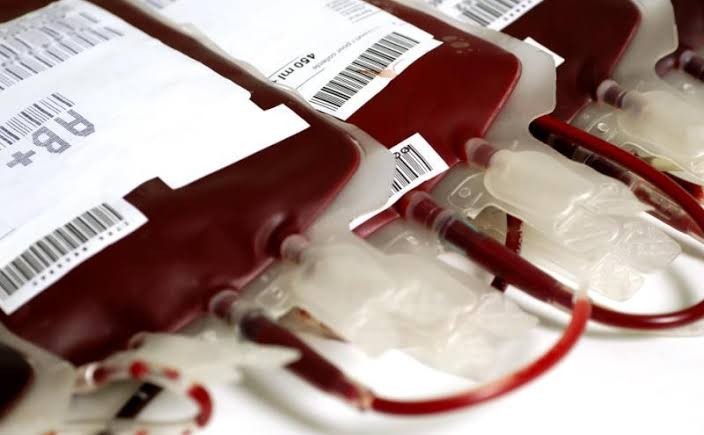
Members can now choose whether to allow procedures where blood is temporarily removed, stored, and later returned to their bodies. Lösch added: “Some Christians may decide that they would allow their blood to be stored and then be given back to them. Others may object.
Each Christian must make his personal decision on all matters involving the use of his own blood with regard to medical or surgical care.”
He noted that practices such as blood testing, dialysis, and the use of heart-lung machines are already widely accepted among adherents.
Jehovah’s Witnesses have historically based their refusal of blood transfusions on biblical passages prohibiting the ingestion or use of blood. The organisation continues to promote alternative “bloodless” medical treatments compatible with its beliefs.
The latest clarification reflects a shift toward personal responsibility in medical decision-making, while the core doctrine banning the use of another person’s blood remains firmly in place.