- President Ruto has pushed forward with the extension, recently launching construction of the next phase
- audit report also revealed that hundreds of millions of dollars were lost due to penalties and interest linked to delayed repayments
- Kenya continues to bear a heavy financial burden from the project, spending about $1 billion annually to service loans
Presidents William Ruto of Kenya and Yoweri Museveni are expected to meet near their shared border to highlight progress on the long-delayed expansion of a Chinese-funded railway project linking the two nations.
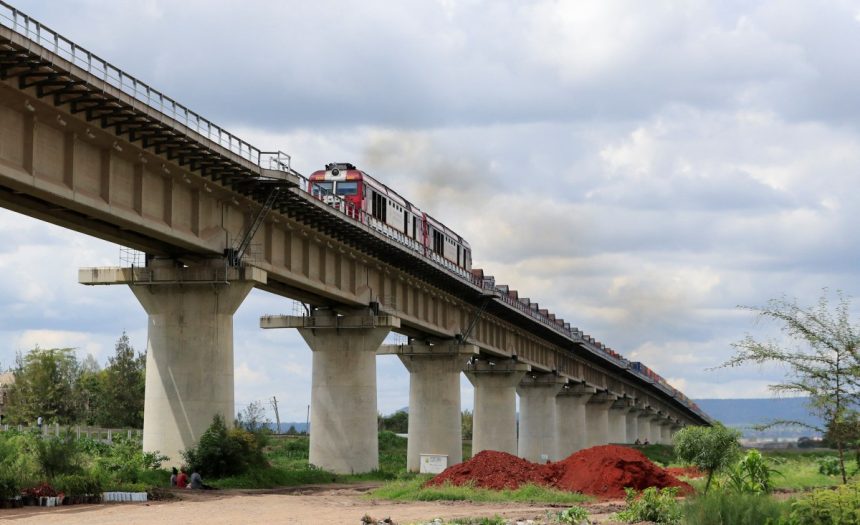
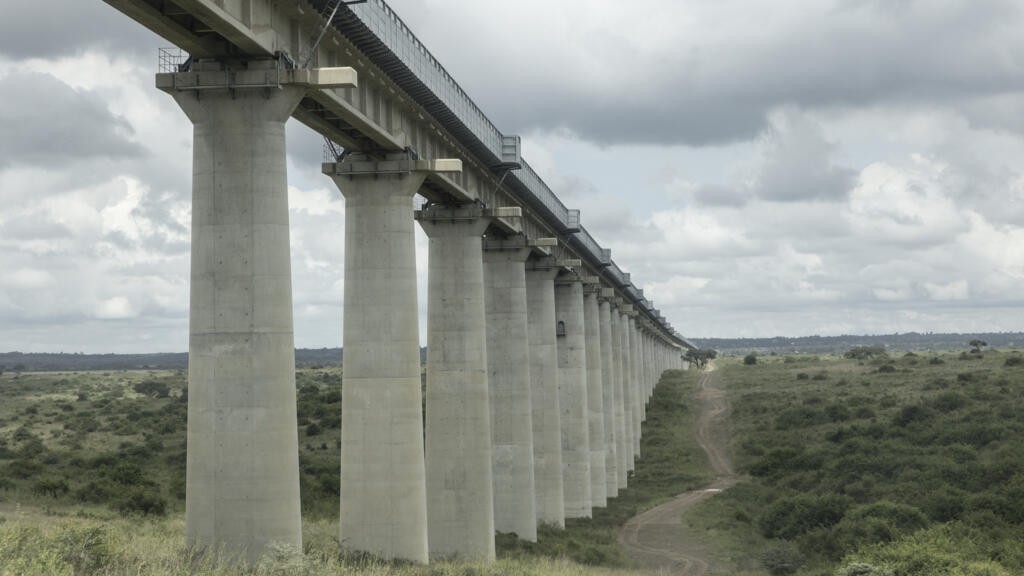
Eko Hot Blog reports that the Standard Gauge Railway, constructed between 2013 and 2019, currently runs from the port city of Mombasa through Nairobi to Naivasha while plans to extend the line into Uganda stalled after China declined to provide additional financing.
EDITOR’S PICK
- Why Return of Lagos Monthly Sanitation Exercise is Long Overdue
- Four Killed as Truck Crashes Into Bus on Lekki–Epe Expressway
- Uzodimma: Tinubu Reforms Prevent Fuel Crisis
Kenya continues to bear a heavy financial burden from the project, spending about $1 billion annually to service loans, significantly higher than the railway’s earnings, which stood at roughly $165 million last year despite improved passenger and cargo traffic.
An audit report also revealed that hundreds of millions of dollars were lost due to penalties and interest linked to delayed repayments, adding to concerns about the project’s cost.
Despite these challenges, President Ruto has pushed forward with the extension, recently launching construction of the next phase.
He maintains that the railway will boost regional trade, ease road congestion, and strengthen Kenya’s role as a key transport hub in East and Central Africa.
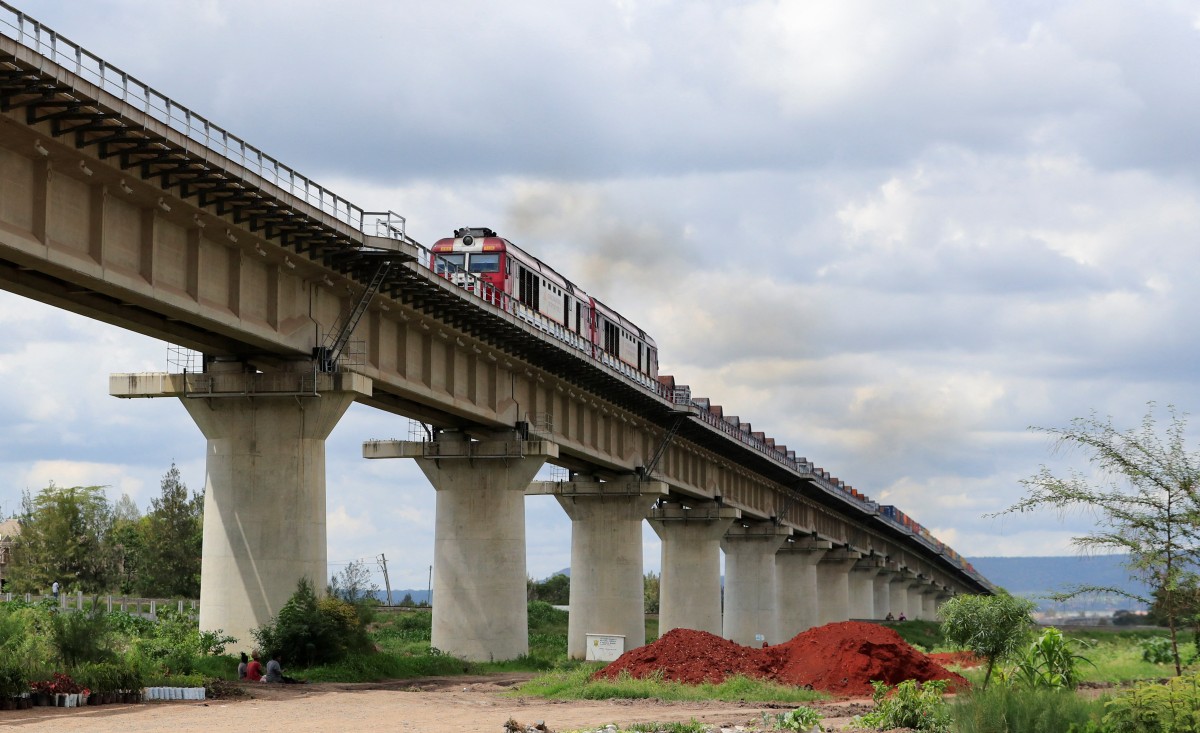
The planned extension is expected to reach Kisumu and later connect to Malaba on the Uganda border by 2027, with total costs projected at billions of dollars.
Unlike earlier phases, Kenya is now exploring alternative financing methods, including borrowing against future cargo revenues while partnering with Chinese firms for construction.
The railway expansion is seen as a strategic move to improve connectivity to landlocked countries such as Uganda, Rwanda, South Sudan, and the Democratic Republic of Congo, enhancing trade across the region.
FURTHER READING