- The pause, he noted, depends on progress made in the ongoing negotiations
- The move to delay military action takes place amid rising tensions in the region
- This has pushed global oil prices above $126 per barrel and caused instability in financial markets
US President Donald Trump announced on Monday that he has ordered a temporary suspension of planned strikes on Iran’s energy facilities following what he described as “very constructive and productive” discussions with Tehran.
Eko Hot Blog gathered that he also confirmed that talks between both sides will continue throughout the week.
EDITOR’S PICK
- Why Return of Lagos Monthly Sanitation Exercise is Long Overdue
- Four Killed as Truck Crashes Into Bus on Lekki–Epe Expressway
- Uzodimma: Tinubu Reforms Prevent Fuel Crisis
Posting early Monday on his Truth Social platform, Trump said the United States and Iran had engaged in meaningful dialogue over the past two days aimed at achieving a full resolution to tensions in the Middle East.
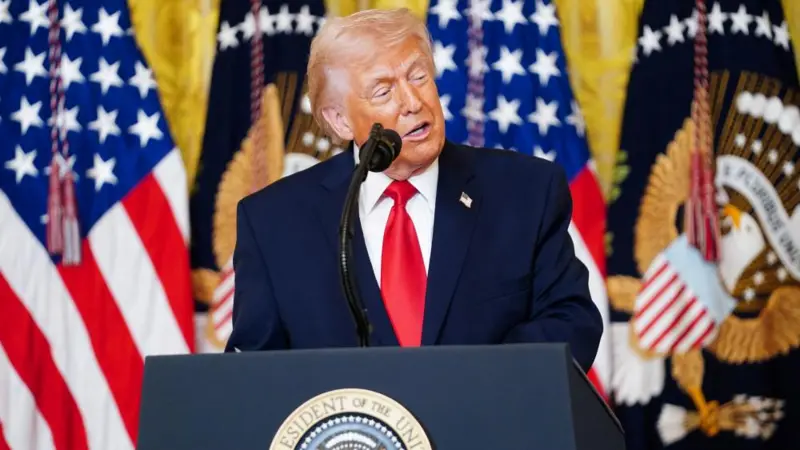
He explained that, based on the positive direction of the conversations, he had directed the Department of War to delay any military action targeting Iran’s power plants and energy infrastructure for five days.
The pause, he noted, depends on progress made in the ongoing negotiations.
This decision came just hours before the deadline of a 48-hour ultimatum issued by Washington, which had called on Iran to reopen the Strait of Hormuz.
Earlier, Trump had warned that the United States would take severe action against Iranian energy facilities if access to the vital shipping route was not fully restored and secured.
The move to delay military action takes place amid rising tensions in the region. The conflict, often referred to as “Operation Epic Fury,” began on February 28, 2026, when US and Israeli forces launched a large-scale offensive targeting Iran’s nuclear sites, missile systems, and key leadership figures.
Since then, the situation has escalated significantly. Iran has reportedly responded with missile attacks on US bases in the Gulf and on Israeli cities, while also disrupting international shipping by effectively shutting down the Strait of Hormuz.
This has pushed global oil prices above $126 per barrel and caused instability in financial markets.
The human cost of the conflict continues to grow, with over 2,000 people reported dead across Iran, Lebanon, and Israel.
Although the planned strikes have been temporarily put on hold, the situation remains tense.
Iran has warned that any additional attacks could lead to the mining of the Persian Gulf, while Israel is continuing its military operations in Lebanon.
FURTHER READING