- Total electricity supply jumped from near-zero levels on Sunday to 2,793 Megawatts (MW) on Tuesday, distributed across all 11 DisCos.
- Minister Adebayo Adelabu revealed that the sector is grappling with a ₦6 trillion debt, with 60% owed to gas suppliers who are currently prioritizing international buyers due to Middle East tensions.
- The Federal Government has initiated a ₦4 trillion debt restructuring plan, with ₦501 billion already raised from the bond market to settle outstanding subsidies.
The Nigerian Electricity Supply Industry (NESI) has released 2,793MW of electricity to the eleven distribution companies.
Eko Hot Blog reports that this significant increase comes after several days of near-total darkness in many regions, including the commercial hub of Lagos.
EDITOR’S PICK
- Ogun Begins Crackdown on Illegal Parks at Sango Border Over Rising Accidents
- Police Nab 30-Year-Old ‘Super M’ During Stop-and-Search in Lagos
- LASG Launches Investigation Into Cosmetic Surgery Death
According to data provided by the system operator, the Abuja DisCo received the highest allocation of 503MW, followed closely by Ikeja DisCo with 497MW and Eko DisCo with 424MW.
Addressing a news conference in Abuja on Tuesday, March 24, 2026, the Minister of Power, Adebayo Adelabu, apologized to Nigerians for the persistent outages, which have coincided with a period of extreme heat.
He attributed the crisis to a shortage of gas supply to thermal stations, exacerbated by the ongoing conflict in the Middle East.
Adelabu explained that the global crisis has driven up demand for Nigerian gas, leading producers to favor lucrative international exports over domestic power plants, especially given the massive debts currently owed by the Nigerian power sector.
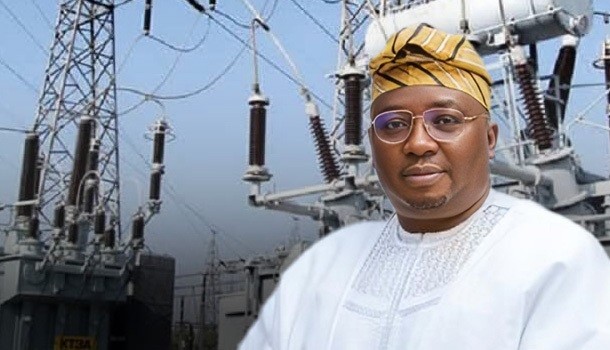
To address the liquidity squeeze, the Minister announced that the government has begun a ₦4 trillion restructuring of unpaid subsidies.
Out of this, ₦501 billion has been raised through the bond market and is currently being disbursed to Generation Companies (GenCos) and gas suppliers.
Adelabu expressed optimism that these financial interventions would restore confidence in the value chain, promising that Nigerians will see a marked improvement in supply within the next 14 days.
Despite the current challenges, the Ministry of Power maintains an ambitious target of reaching 6,000MW by December 2026.
However, the Minister noted a structural weakness in the sector: of the 32 power plants currently connected to the national grid, only two have firm gas supply contracts.
The rest operate on a “best endeavor” basis, leaving the grid vulnerable to supply shocks.
Looking ahead, Adelabu estimated that Nigeria requires an investment of over $100 billion across the entire value chain, upstream, midstream, and downstream, to add an additional 20,000MW to the national grid.