- Lagos Ranks Among Top 10 States for Ease of Doing Business
- Zahrah noted that these improvements send a strong signal to investors about Nigeria’s growing transparency, predictability, and competitiveness
- Bada revealed that Lagos contributes over 30% of Nigeria’s Gross Domestic Product and accounts for more than 60% of the country’s commercial and industrial activities
Lagos State has been ranked among the top 10 performing states in Nigeria for ease of doing business, according to the 2025 Subnational Ease of Doing Business Report.
Eko Hot Blog reports that other states listed include Kaduna State, Oyo State, the Federal Capital Territory, Ogun State, Enugu State, Plateau State, Ekiti State, Kano State and Nasarawa State.
EDITOR’S PICK
- Daddy G.O Arrested Over Alleged Abuse of 16-Year-Old Girl
- Anti-Drug Drive Intensifies as Court Jails Female Convict in Edo
- Fire Destroys Property Worth Millions in Cross River Community
The report highlights that states implementing targeted reforms have achieved up to 40% reduction in business registration timelines, over 30% improvement in land administration efficiency, and significant progress in digital service delivery and dispute resolution.
Speaking at a roundtable in Abuja, the Director-General of the Presidential Enabling Business Environment Council (PEBEC), Zahrah Mustapha Audu, said the results reflect the impact of consistent reform efforts across the country.
She noted that these improvements send a strong signal to investors about Nigeria’s growing transparency, predictability, and competitiveness.
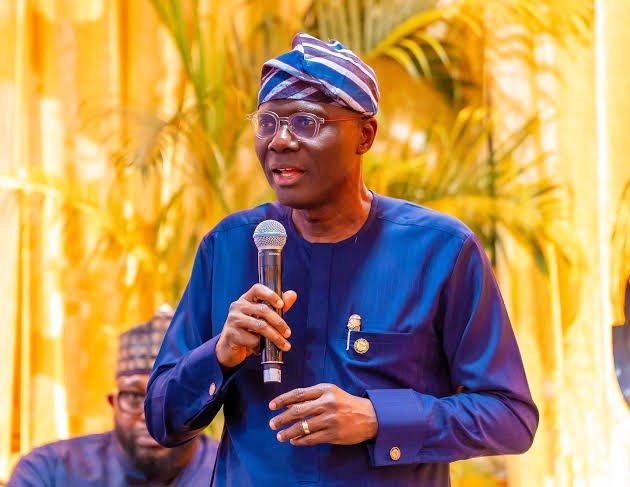
The Governor of Lagos State, Babajide Sanwo-Olu, described the ranking as a product of deliberate policies aimed at creating a more attractive environment for both local and foreign investment.
He said the state would continue to strengthen its business climate to encourage more investment and ensure sustainable returns.
The event, organised in collaboration with the British High Commission and UKAID, focused on linking investment opportunities with top-performing states.
Audu, however, stressed that beyond reforms, the real challenge is ensuring that these changes translate into practical benefits for businesses; such as faster approvals, clearer regulations, and easier access to capital.
The Presidential Enabling Business Environment Council is currently focusing on improving regulatory quality, enhancing service delivery through platforms like ReportGov, and deepening reforms at the state level where most economic activities occur.
Also speaking, the Minister of Budget and Economic Planning, Abubakar Bagudu, said Nigeria’s ambition to build a $1 trillion economy will depend heavily on the role of states and the private sector.
Representing the Lagos State Government, the Commissioner for Commerce, Trade, and Investment, Folashade Bada, said the state’s ranking reflects sustained institutional reforms and policy consistency.
She revealed that Lagos contributes over 30% of Nigeria’s Gross Domestic Product and accounts for more than 60% of the country’s commercial and industrial activities.
According to her, ongoing reforms in land administration, construction permits, and tax systems have improved transparency and reduced delays, while digital platforms have made processes more efficient. She added that low-risk construction permits can now be processed within 15 working days.
Bada also highlighted investments in infrastructure, including fibre-optic networks, transport systems, and logistics, as well as a strong public-private partnership framework designed to attract investors and ensure project sustainability.