- Umeh defended the decision of the faction led by David Mark to seek legal redress
- He explained that the issue of jurisdiction should have been resolved at the outset
- He added that if the Court of Appeal had found that the lower court lacked jurisdiction
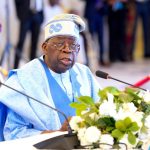
A prominent member of the African Democratic Congress (ADC), Senator Victor Umeh, has criticised the Independent National Electoral Commission (INEC), accusing the electoral body of interfering in the party’s internal matters.
Speaking during an appearance on Politics Today on Channels Television, Eko Hot Blog reports that the senator representing Anambra Central addressed the ongoing leadership dispute within the party, insisting that recent developments have been mishandled.
EDITOR’S PICK
- Easter Celebration: Sanwo-Olu Encourages Love, Sacrifice, Coexistence
- Enough Is Enough Defend Yourselves’ – CAN Urges Northern Christians
- NLC Orders Street Protests Over Minimum Wage
Umeh defended the decision of the faction led by David Mark to seek legal redress, noting that their move to challenge the court’s ruling was justified.
He explained that the issue of jurisdiction should have been resolved at the outset, stressing that any court proceeding without proper authority renders its decisions invalid.
According to him, once jurisdiction is questioned, the court must first determine whether it has the legal right to hear the case before proceeding further.

He argued that the leadership acted appropriately by contesting the Federal High Court’s decision to assume jurisdiction in the matter.
He added that if the Court of Appeal had found that the lower court lacked jurisdiction, it would not have entertained the case at all, pointing out that disputes relating to party leadership are generally considered internal affairs beyond the scope of the courts.
The controversy follows INEC’s recent action to remove David Mark and Rauf Aregbesola from its official records as National Chairman and National Secretary of the ADC.
The commission explained that its decision was based on a court directive instructing it to maintain the status quo until the case is fully resolved at the trial court.
FURTHER READING