- Vance will travel alongside special envoy Steve Witkoff and Jared Kushner to meet Iranian representatives
- Leavitt also dismissed media reports suggesting Iran had presented a 10-point plan, calling them inaccurate
- She emphasized that any suggestion the US would accept terms dictated by Iran was unfounded
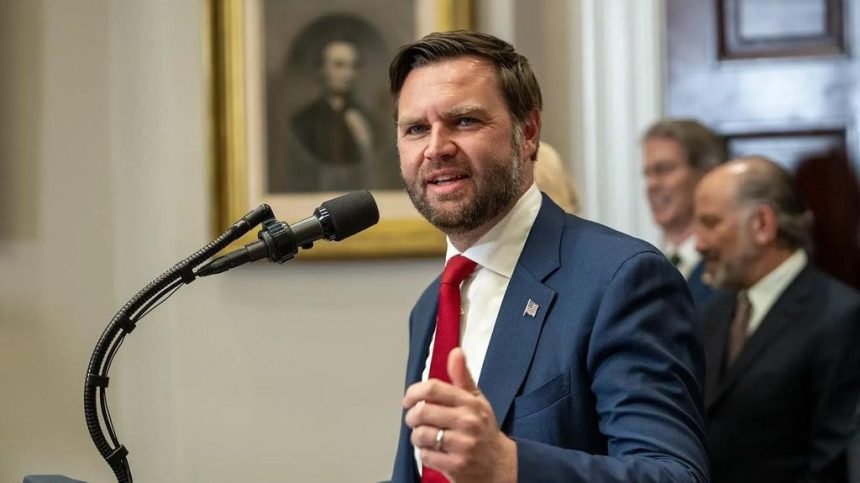
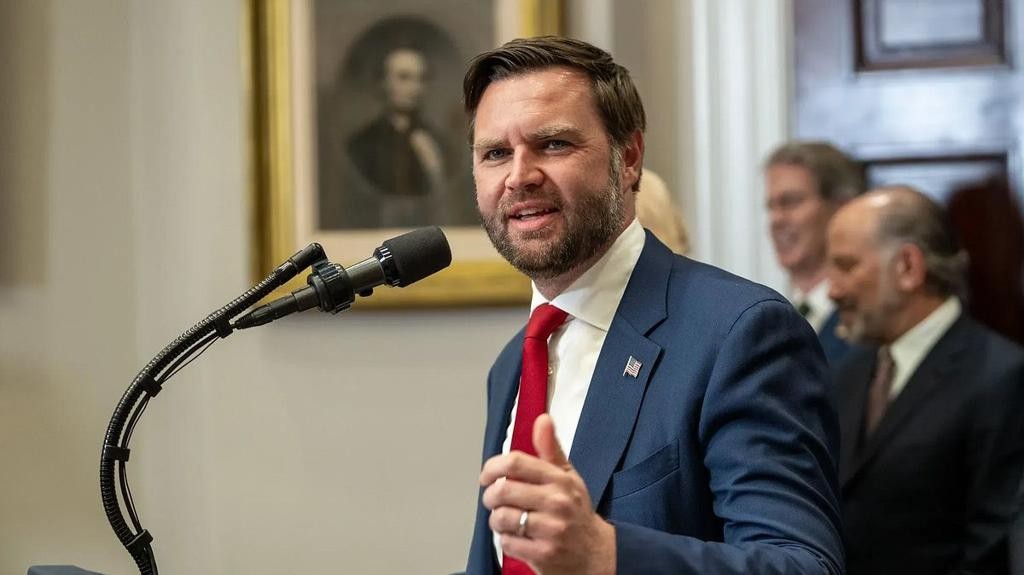
US Vice President JD Vance is set to head a delegation for talks with Iran in Pakistan starting April 11, according to the White House.
Briefing journalists, Press Secretary Karoline Leavitt said the recently declared ceasefire between the United States and Iran has created an opportunity that could pave the way for a more enduring peace in the region, Eko Hot Blog gathered.
EDITOR’S PICK
- Easter Celebration: Sanwo-Olu Encourages Love, Sacrifice, Coexistence
- Enough Is Enough Defend Yourselves’ – CAN Urges Northern Christians
- NLC Orders Street Protests Over Minimum Wage
However, key aspects of the proposed peace arrangements remain unclear, including the status of maritime activity in the strategically important Strait of Hormuz.
Earlier, Iranian forces had warned that vessels attempting to pass through the waterway without authorization could face destruction. Despite this, Leavitt suggested that Iran’s private communications differ from its public statements.
During Wednesday’s briefing, she characterized the situation as a victory for the United States, stating that major objectives of Operation Epic Fury, such as weakening Iran’s naval capabilities and its drone and missile programs, had been accomplished.
With the ceasefire now in effect, Vance will travel alongside special envoy Steve Witkoff and Jared Kushner to meet Iranian representatives in Islamabad. Specific details about the agenda and proposals for the talks have not been disclosed.
Leavitt also dismissed media reports suggesting Iran had presented a 10-point plan, calling them inaccurate.
She noted that an earlier proposal from Tehran was rejected for lacking seriousness, but said a revised version was later submitted following strong warnings from Donald Trump about the consequences of failing to reach an agreement.
She emphasized that any suggestion the US would accept terms dictated by Iran was unfounded.
Leavitt further stated that Iran has agreed to reopen the Strait of Hormuz, despite earlier threats.
Addressing the apparent contradiction, she said Washington expects Iran to ensure the route is made safe and accessible without delay, adding that the US would hold Tehran accountable.
The ceasefire, announced Tuesday, came shortly after Trump warned that Iran would face devastating consequences if it failed to reach a deal and restore access through the vital shipping route.
His remarks sparked criticism across the US political landscape and raised concerns about the humanitarian implications of escalating military action.
Defending his approach, Leavitt argued that Trump’s firm rhetoric and negotiating style played a key role in achieving the current outcome, insisting he maintains a moral advantage over Iran’s leadership.
Meanwhile, Trump is scheduled to meet with Mark Rutte to discuss growing tensions between the US and the NATO alliance.
Leavitt indicated the discussion would be candid, particularly as Trump has criticized NATO for what he views as a lack of support during the conflict with Iran and efforts to secure the reopening of the Strait of Hormuz.
Quoting Trump, she said the alliance had been “tested” and failed, adding that the president has even considered the possibility of withdrawing from NATO, though she offered no specifics.
Tensions between Trump and NATO members had already been strained prior to the Iran conflict, partly due to disagreements over Greenland, which Trump has previously expressed interest in acquiring despite opposition from European allies.
FURTHER READING