- FG Launches Learner Identification Number to Track Students Nationwide
- Over 1.9m Students Get IDs
- Officials said the system will enable seamless tracking of students across schools and regions
The Federal Government has launched a nationwide Learner Identification Number (LIN), a digital system designed to assign every student in Nigeria a permanent academic identity.
Eko Hot Blog reports that the initiative, unveiled by the Federal Ministry of Education Nigeria, is aimed at improving education planning, tracking student progress, and enabling timely interventions across the sector.
EDITOR’S PICK
- Infrastructure Projects Will Improve Daily Life in Lagos – Sanwo-Olu
- Man Arrested for Killing Son, Nephews in Ondo
- CBN Signals New Forex Policy to Boost Foreign Exchange Supply
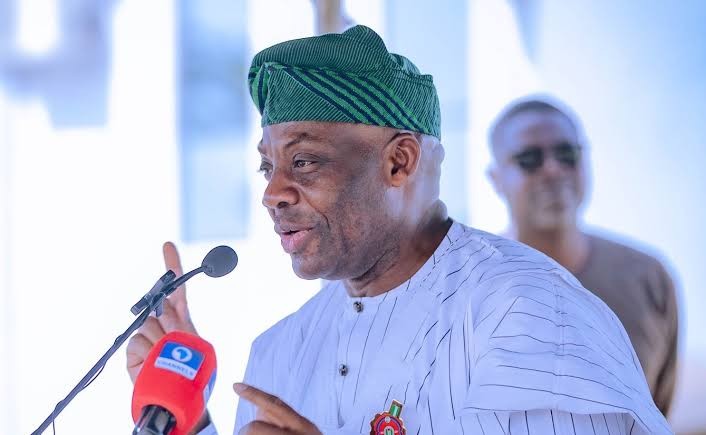
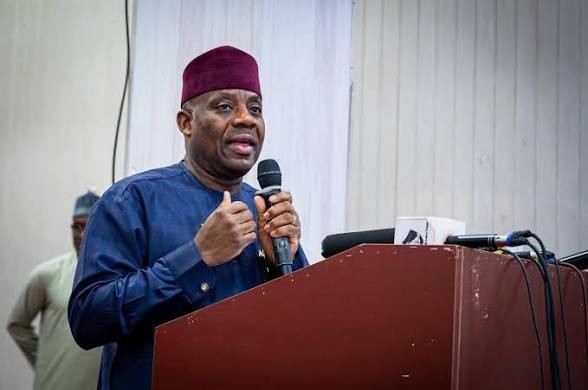
Minister of Education, Tunji Alausa, described the development as a major milestone in the country’s education reform efforts, aligned with the Renewed Hope Agenda of President Bola Ahmed Tinubu.
“This initiative marks a turning point in our education system. By assigning every learner a unique number, we are building a structure that supports each child’s journey from classroom to career,” the minister said.
As part of the first phase, more than 1.9 million candidates sitting for the 2026 examinations conducted by West African Examinations Council and National Examinations Council have already been issued their identification numbers.
Officials said the system will enable seamless tracking of students across schools and regions, even when they transfer, while also strengthening examination processes and reducing cases of impersonation.
The initiative builds on the existing Digitised National Education Management Information System (DNEMIS), which provides a national database of schools, each assigned a unique identification number.
Beyond examination integrity, the LIN is expected to help government identify out-of-school children, monitor dropouts, and address learning gaps through targeted interventions.
The Ministry said the next phase will extend the programme to all learners in both public and private schools nationwide, with implementation to be supported through national data platforms and the Annual School Census.
It also called on schools, parents, and other stakeholders to support the initiative, describing it as a key step towards building a transparent and inclusive education system.
FURTHER READING
- Nigeria Showing Resilience, Not Collapse – FG
- Sola Giwa Resigns Lagos Appointment, Targets Lagos Island Constituency II Seat
- Lagos Now a Benchmark for Quality Project Delivery – Tinubu
Click here to watch video of the week