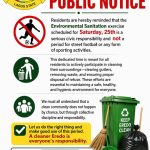
The planned resumption of the monthly environmental sanitation exercise across Lagos State marks a significant shift in the state’s approach to public hygiene and community responsibility.
EDITOR’S PICK
- Urbanisation Not a Threat to Indigenous Identity – Sanwo-Olu
- Lagos Expands Rail Network with New 24-Car Trains for Red Line
- ‘I Won’t Back Down’ – Tinubu Speaks Tough as 2027 Race Looms
Once a defining feature of civic life, the exercise had, over time, faded from regular enforcement, leaving noticeable gaps in environmental discipline and waste management practice.
For many residents, environmental sanitation Saturdays were once a routine—hours set aside for cleaning surroundings, clearing drainages, and ensuring proper waste disposal.
Streets were quieter, movement was regulated in some areas, and communities came together with a shared purpose: keeping their environment clean and healthy.
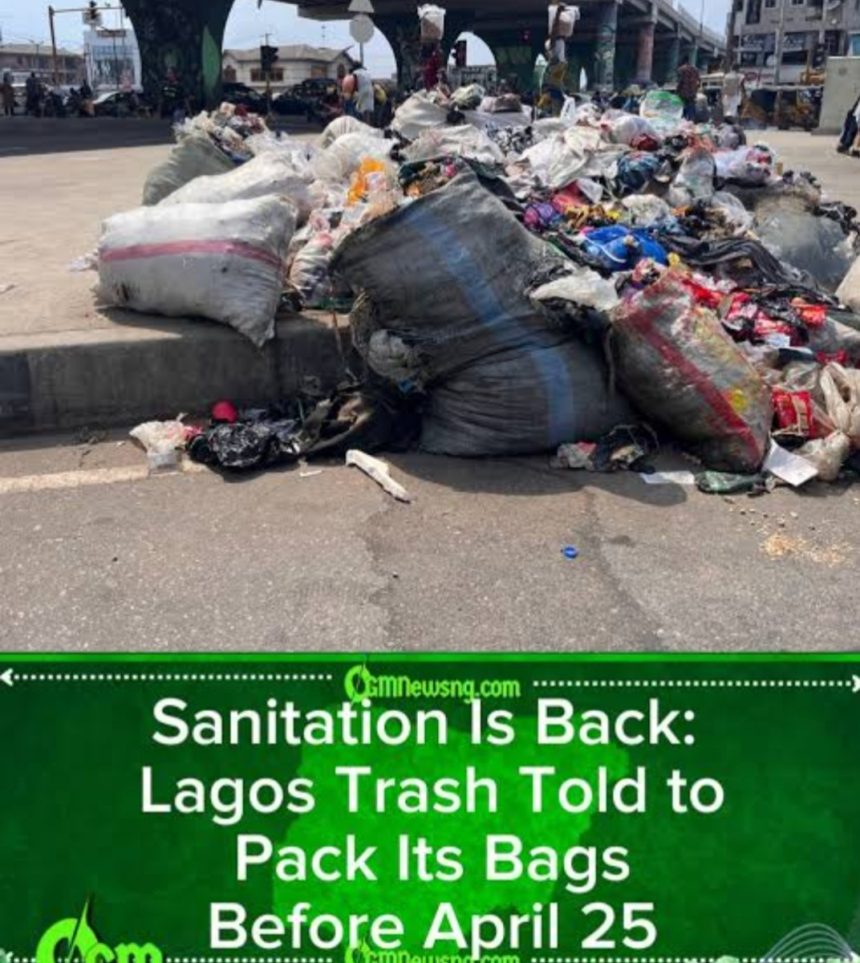
However, when the exercise was suspended, the impact on communities gradually became evident. In many areas, indiscriminate dumping of refuse increased, with waste finding its way into drainage channels and waterways.
Over time, these blocked drainages contributed significantly to flooding, especially during the rainy season, as water could no longer flow freely.
Several communities across the state began to experience avoidable flood incidents, with homes, roads, and markets affected.
Beyond flooding, stagnant water in blocked drains created breeding grounds for mosquitoes, increasing the risk of malaria and other sanitation-related illnesses.
The absence of a structured sanitation routine also led to a decline in environmental awareness, as many residents became less proactive in maintaining their immediate surroundings.
In addition, heaps of uncollected waste in some neighborhoods contributed to unpleasant odors, air pollution, and the spread of germs, affecting the overall quality of life.
Markets and densely populated areas were particularly impacted, where poor waste disposal habits quickly escalated into larger environmental concerns.
Now, with the reintroduction of the sanitation exercise, expectations are high across local governments and Local Council Development Areas.
Authorities are not only reviving the exercise but also strengthening structures to ensure it is more effective and sustainable.
Across councils, preparations are already underway.
Sensitization campaigns are being intensified to educate residents on the importance of sanitation, while waste management systems are being reinforced to support efficient collection and disposal.
Enforcement teams are also expected to ensure compliance, signaling a return to environmental accountability at the grassroots level.
More importantly, the renewed sanitation drive is expected to go beyond routine cleaning.
Residents are being encouraged to adopt sustainable habits such as proper waste disposal, clearing of drainage channels, and avoiding practices that contribute to environmental degradation.
Community leaders, market associations, and youth groups are also expected to play a key role in mobilizing participation and sustaining awareness.
Their involvement will help rebuild the culture of collective responsibility that once defined sanitation exercises in the state.
For residents, the resumption signals a return to shared duty. It is a reminder that environmental cleanliness is not solely the responsibility of government but a collective obligation.
Active participation will not only improve the physical environment but also significantly reduce health risks and environmental hazards.
Observers believe that if properly sustained, the exercise will help curb flooding, improve drainage systems, enhance public health, and restore environmental discipline across communities.
Ultimately, the return of environmental sanitation represents more than just a policy revival, it is a necessary response to the challenges experienced during its absence and a renewed commitment to building a cleaner, safer, and more resilient Lagos.