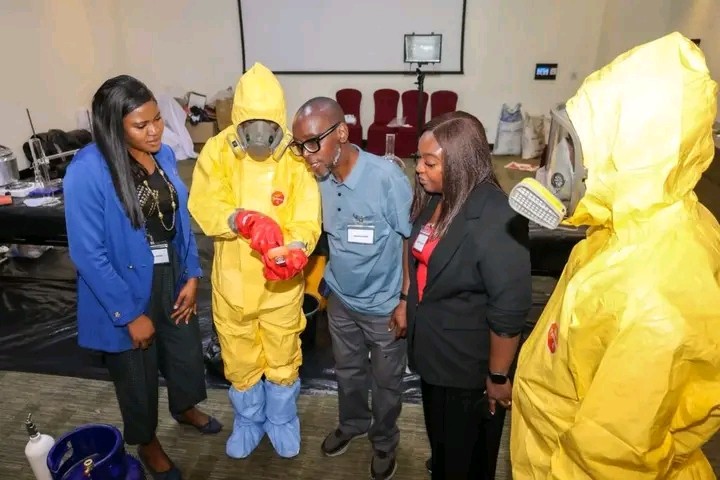
- The United States government and the United Nations have conducted a specialized training program for drug enforcement officers from Nigeria and nine other West African nations.
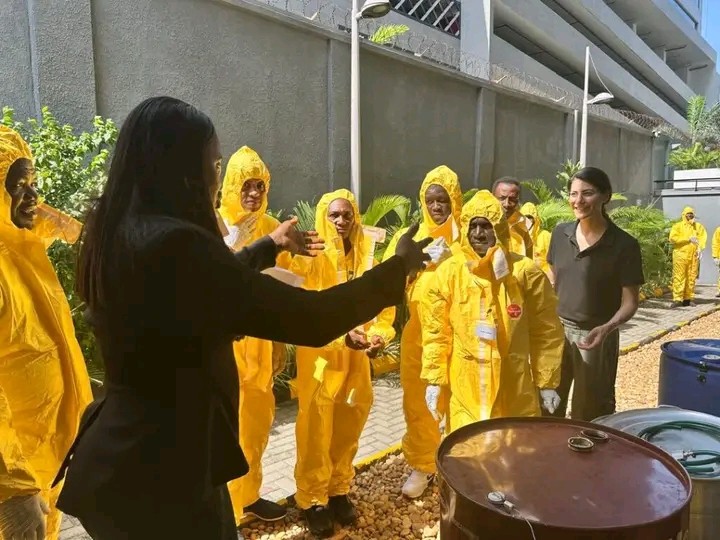
- The initiative focused on advanced investigative techniques and the dismantling of clandestine drug laboratories to disrupt the operations of transnational cartels.
- The program aims to foster intelligence-sharing and deepen collaboration between the National Drug Law Enforcement Agency (NDLEA) and its regional counterparts.
The battle against transnational drug trafficking in West Africa has received a significant boost following a joint training initiative led by the US Department of State’s Bureau of International Narcotics and Law Enforcement Affairs and the UN Office on Drugs and Crime.
Eko Hot Blog reports that in a statement released on Friday, April 24, 2026, the US Mission in Nigeria revealed that officers from Nigeria’s NDLEA and nine other neighboring countries participated in the intensive, hands-on program.
EDITOR’S PICKS
- JAMB Delists 23 CBT Centres, Warns 89 After Mock UTME Review
- NASA Astronauts Return to Earth After First Human Trip to the Moon in 50 Years
- INEC Shifts Nationwide Voter Revalidation Until After 2027 General Election
The training was meticulously designed to address the evolving tactics of drug cartels operating within the region.
Key areas of focus included sharpening investigative skills and providing officers with the technical expertise required to safely dismantle hidden drug production facilities.
By equipping regional agencies with these specialized tools, the US and UN aim to stop the flow of illicit substances at their source, thereby protecting communities across both Africa and the United States from the devastating impacts of the drug trade.
Beyond technical skills, the program emphasized the critical importance of regional intelligence-sharing.
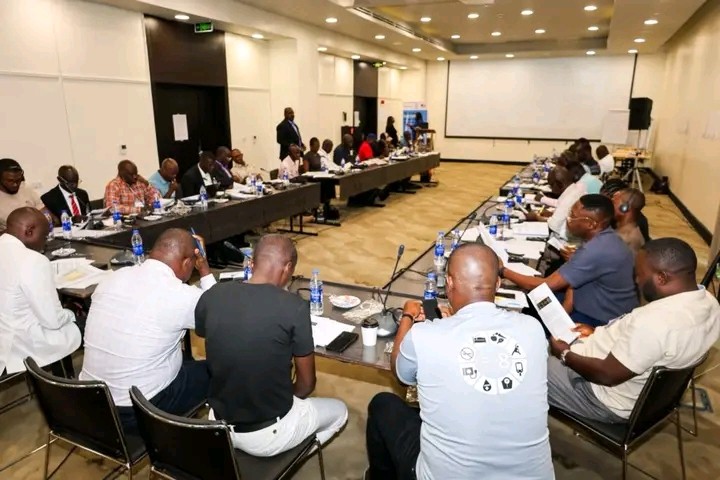
The US Mission noted that deepening the cooperation between the NDLEA and other West African enforcement agencies is essential for successfully disrupting the criminal networks that utilize the region as a transit hub.
The initiative is viewed as a vital step in making the Atlantic corridor safer and strengthening the collective capacity of West African nations to confront well-funded drug cartels.
This security collaboration comes at a time of significant domestic developments in Nigeria.
In the political sphere, President Bola Tinubu has notably left the decision regarding automatic tickets for lawmakers in the hands of state governors, while regional political shifts continue as Adamu Atiku Abubakar resigned from the Adamawa State cabinet.
Simultaneously, the federal government has announced new welfare boosts and housing loan schemes for civil servants, underscoring a dual focus on internal stability and international security partnerships.