- political success would depend not only on popularity but also on the ability to build trust across different regions
- Muhammad-Baba noted that many northern voters have become increasingly sceptical of political rhetoric centred on ethnic
- Aluko-Daniel further argued that both Obi and Kwankwaso enjoy significant support among different segments of the population
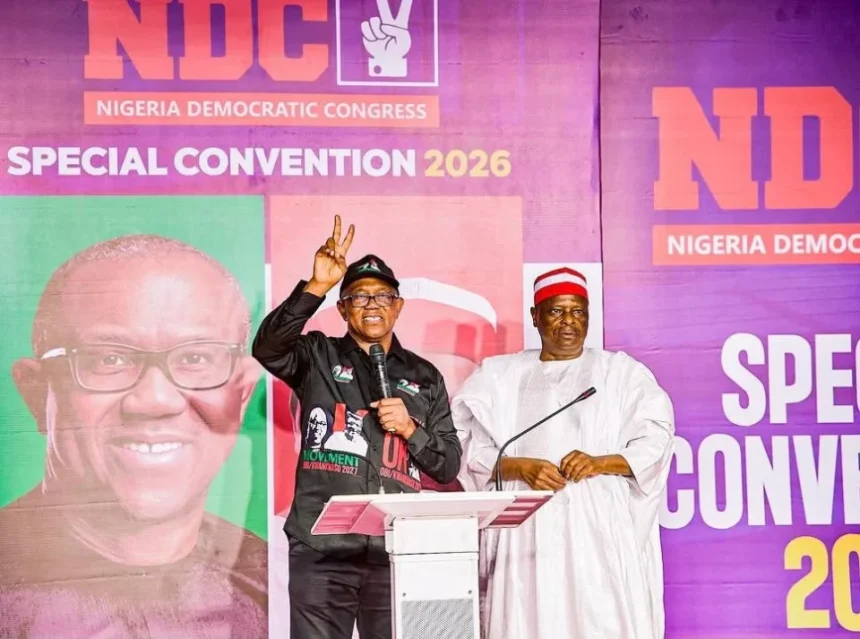
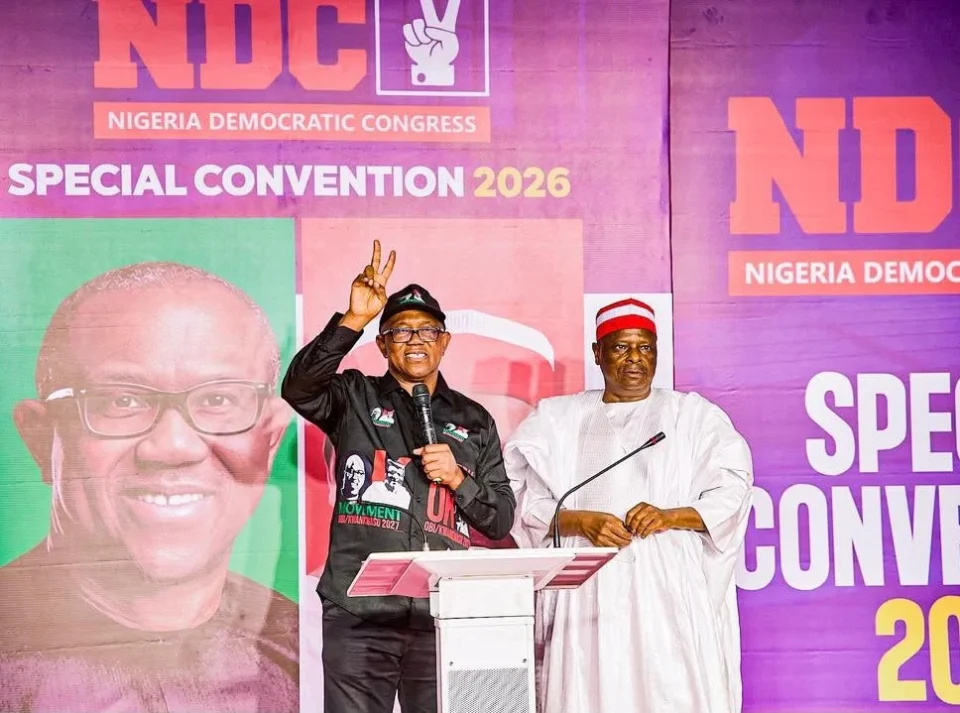
Political calculations ahead of the 2027 presidential election are beginning to generate debate in Northern Nigeria, with mixed reactions trailing the emerging alliance between former Anambra State governor Peter Obi and former Kano State governor Rabiu Kwankwaso.
Eko Hot Blog gathered tfindings indicate that while the partnership is attracting support in some quarters, several northern political stakeholders remain unconvinced about its chances of gaining widespread acceptance across the region.
EDITOR’S PICK
- Akpabio Dismisses Reports of Promising APC Tickets to Defeated Senators
- Court Discharges Baba Adinni of Lagos, Upholds No-Case Submission
- “Verify Information Before Spreading It” — Alara Warns on Security
Some leaders and political observers argue that the Nigeria Democratic Congress (NDC), the platform associated with the alliance, is still struggling to establish a strong presence in many northern states. They contend that a significant number of voters are either unfamiliar with the party or uncertain about its political direction.
National Publicity Secretary of the Arewa Consultative Forum, Prof. Tukur Muhammad-Baba, said the party had yet to attain the level of recognition enjoyed by more established political organisations in the region.
According to him, questions also remain about the extent of Kwankwaso’s political influence beyond Kano State, despite his strong showing during previous elections.
Muhammad-Baba noted that many northern voters have become increasingly sceptical of political rhetoric centred on ethnic, regional or religious sentiments, arguing that citizens are now more interested in practical solutions to economic and social challenges.
He added that frequent political realignments and shifting alliances among politicians have left many voters uncertain about whom to trust.
Similarly, President of the Arewa Youth Consultative Council, Zaid Ayuba, maintained that Obi faces challenges in winning broad support across the North. He claimed that concerns over some of Obi’s past positions continue to influence public perception among sections of the electorate.
Ayuba argued that political success would depend not only on popularity but also on the ability to build trust across different regions of the country.
A political science lecturer in Sokoto, who spoke anonymously, attributed the party’s challenges largely to limited visibility rather than outright rejection. According to him, the NDC remains relatively new and lacks the widespread grassroots structures enjoyed by older parties.
The debate has also attracted comments from youth groups in the region. The Northern Youth Assembly criticised Kwankwaso’s alignment with Obi, describing it as a departure from the traditional political outlook associated with the Kwankwasiyya movement.
However, party officials and supporters have dismissed suggestions that the alliance lacks northern support.
The NDC chairman in Borno State, Haruna Amuda, said the party had recorded increasing membership and defections from rival political groups. He claimed that party structures had been established across all local government areas of the state.
In Jigawa State, party chieftain Abdulrazak Birnin-Kudu also expressed confidence in the movement’s growth, noting that coordinators had been appointed across local government areas while grassroots mobilisation efforts continued.
Another party stakeholder, Aminu Dutse, argued that economic hardship and security concerns were encouraging many voters to consider alternative political platforms ahead of the next general election.
The Northern Region Director of the Civil Liberty Organisation, Steve Aluko-Daniel, rejected claims that the party was unpopular in the North. He said the region was no longer politically united behind a single bloc and that many voters were exploring new options.
Aluko-Daniel further argued that both Obi and Kwankwaso enjoy significant support among different segments of the population and could emerge as strong contenders if the alliance remains intact.
Also speaking, National Co-Chairman of the NDC Coalition Alliance Network, Zakari Garba, described the Obi-Kwankwaso partnership as one of the most formidable political combinations currently under discussion ahead of the 2027 elections.
According to him, Obi’s reputation for accountability and economic management, combined with Kwankwaso’s extensive grassroots network in the North, could provide the alliance with a strong foundation for future electoral contests.
As political activities gradually gather momentum ahead of 2027, the debate over the alliance’s prospects in Northern Nigeria is expected to remain a major talking point within the country’s evolving political landscape.
FURTHER READING