- How Boko Haram Terrorists Moved From North To S/West
- Experts fear terrorists are expanding beyond the North-East.
- Analysts call for stronger intelligence and security operations.
Fresh concerns have emerged over the security situation in Nigeria’s South-West following the Defence Headquarters’ disclosure that fighters linked to Jama’atu Ahlis Sunna Lidda’awati wal-Jihad (JAS), a faction of Boko Haram, were involved in the recent abduction of schoolchildren and teachers in Oyo State.
EDITOR’S PICKS
- Tinubu Meets Anyim, Abiodun, Other APC Leaders After Primary Election
- Fresh Details Emerge In Tragic Death Of Three Sisters Found In UK Sea
- Tinubu Orders 50% Reduction in Train Fares for Eid-el-Kabir Travellers
EKO HOT BLOG reports that the revelation has sparked fears among security experts that insurgents displaced from the North-East may be establishing new operational networks in other parts of the country.
The Director of Defence Media Operations, Major General Markus Kangye, said the attackers behind the abduction in Oriire Local Government Area were among JAS fighters forced out of their traditional strongholds by sustained military operations.
“The recent incidence of kidnap in Oyo State was clearly perpetrated by terrorists of the JAS Group that have been dislodged from other parts of the country due to high-intensity operations being conducted all over,” Kangye stated.
According to him, continued military pressure has fragmented several terrorist camps, forcing some insurgents to migrate into forests and remote locations beyond their former areas of influence.
Security concerns intensified further following the killing of Michael Oyedokun, one of the teachers abducted during the attack on schools in Ogbomoso. Analysts said the incident bore similarities to tactics historically associated with extremist groups operating in the North-East.
Kidnap incident management specialist Sam Otoboeze warned that kidnapping in Nigeria has evolved beyond ransom collection.
“Kidnapping in Nigeria is no longer merely a ransom business. It increasingly overlaps with terrorism, banditry, cult violence, political intimidation, revenge attacks and organised criminal financing,” he told Vanguard.
Forensic and criminal intelligence specialist Alfred Ononugbo also attributed the growing threat to weak security structures.
“When our control systems collapse and policing does not effectively manage these developments, criminals operate with absolute impunity,” he said.
Mental health experts noted that extreme violence is often intended to create fear and establish dominance. Consultant psychiatrist Dr Sunday Amosu said such acts are deliberate demonstrations of power.
“The motive is power has shifted in our favour and we will exercise it. Who can question us? Execution, killing, decapitation, whatever name we call it, is a show of power,” he said.
Clinical psychologist Hauwa Bello added, “When people do such things, it’s because they want maximum impact. They want to send a tough message. That’s why you call them terrorists because they want to terrorise people.”
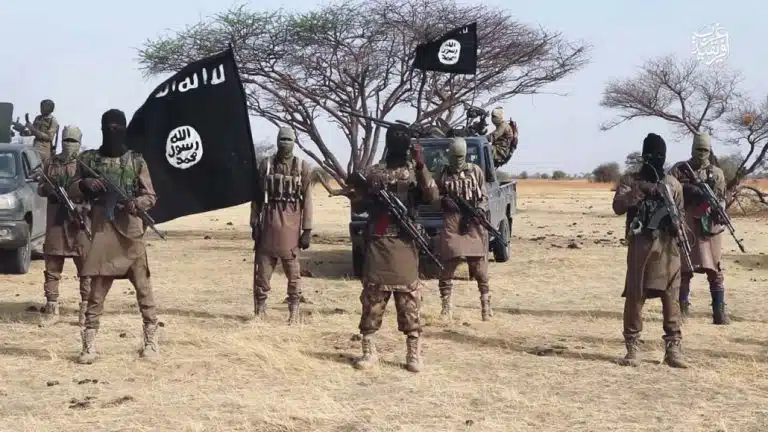
Many security experts believe the most alarming aspect of the incident is the military’s assessment that JAS fighters participated in the operation. They warned that if displaced insurgents are increasingly integrating with kidnapping networks in the South-West, Nigeria may be facing a more complex security challenge requiring stronger intelligence gathering, community participation and sustained security operations.
FURTHER READING
- Presidency Demands Legal Action Against VeryDarkMan Over ‘Fake Tinubu Audio’
- “We’re Working to Ensure Safe Return” — Makinde on Abducted Pupils
- NRC Shuts Down Warri-Itakpe Train Route For Safety Assessment