- Stakeholders called for stronger protection of audiovisual performers’ rights and improved welfare measures to guarantee fair remuneration.
- The Nigerian Copyright Commission says the Copyright Act 2022 has significantly strengthened legal protection for performers in Nigeria.
- Experts emphasized effective royalty administration, stronger social protection systems, and policy reforms to position Nigerian creatives for opportunities under AfCFTA.
Stakeholders in Nigeria’s creative industry have renewed calls for stronger protection of audiovisual performers’ rights and the establishment of improved welfare frameworks to ensure fair compensation, financial security, and sustainable careers for artists.
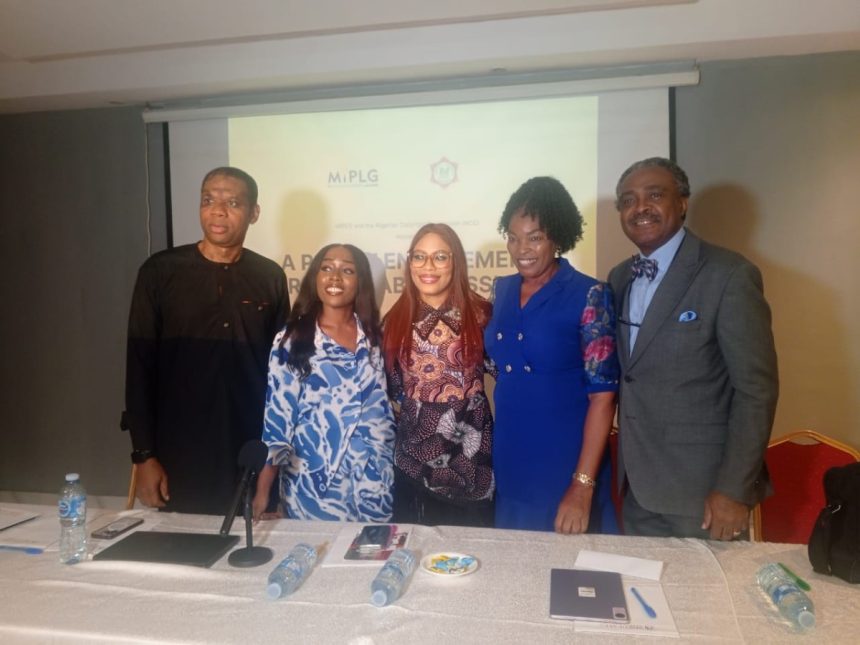
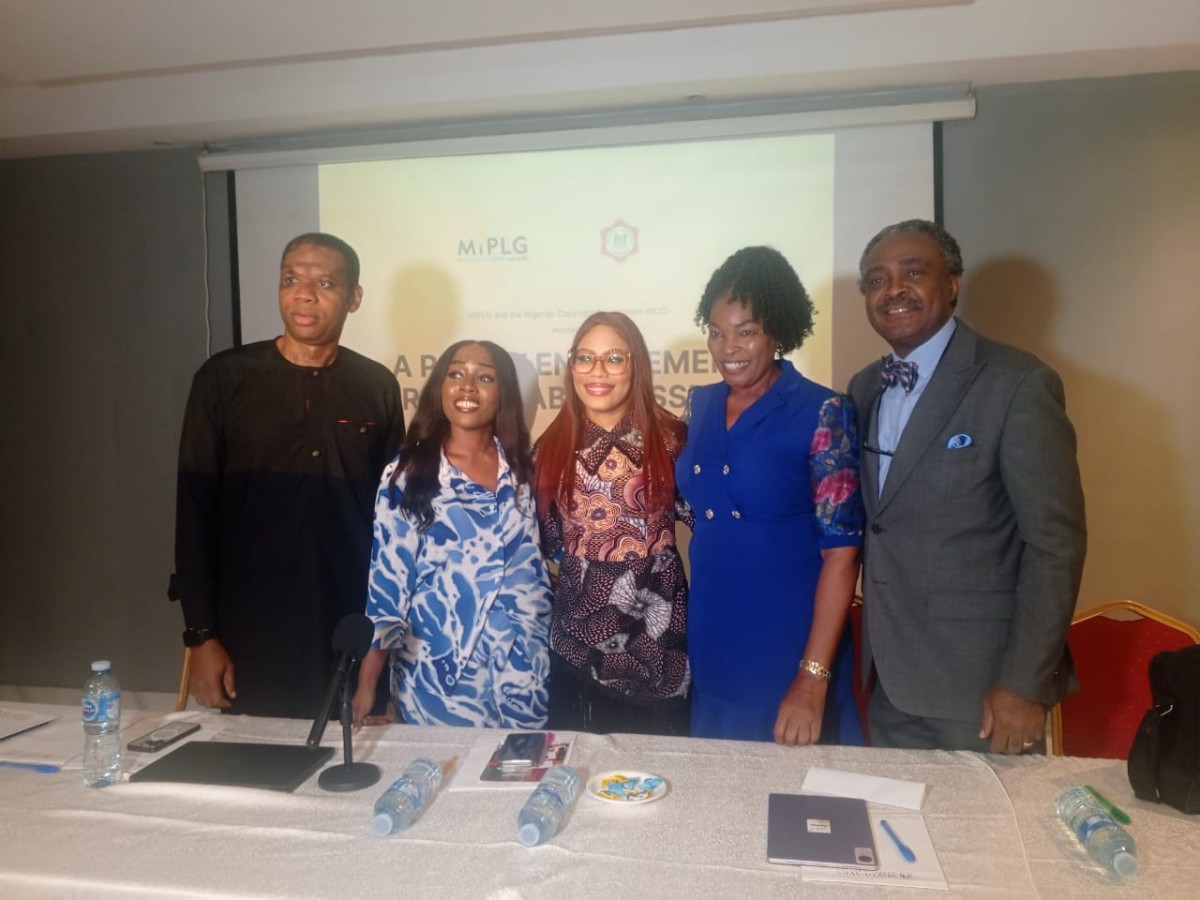
Eko Hot Blog reports that the call was made during a Policy Engagement Roundtable on “Audiovisual Performers’ Rights and Welfare in Nigeria and under the African Continental Free Trade Area (AfCFTA),” organized by My Intellectual Property Law Guide (MiPLG) in collaboration with the Nigerian Copyright Commission (NCC) in Lagos.
The event brought together policymakers, intellectual property experts, industry practitioners, rights holders, and other stakeholders to deliberate on strategies for strengthening performers’ rights and improving the welfare of creative professionals in an evolving digital economy.
Speaking at the event, the Director-General of the Nigerian Copyright Commission, Dr. John Asein, said Nigeria had made significant progress in protecting performers through the enactment of the Copyright Act 2022.
Represented by the Lagos Zonal Director of the Commission, Ms. Lynda Alphaeus, Asein noted that the legislation provides comprehensive protection for performers’ rights in audiovisual works while addressing emerging challenges associated with digital content exploitation and commercialization.
“The audiovisual sector remains one of the most vibrant components of Nigeria’s creative economy, with performers playing a critical role in projecting Nigeria’s rich cultural identity to audiences within and beyond our borders,” he said.
According to him, the increasing integration of African markets under AfCFTA presents enormous opportunities for Nigerian performers, creators, and rights holders. However, he stressed that such opportunities must be supported by strong legal and institutional frameworks capable of protecting intellectual property rights and guaranteeing fair remuneration.
“As Nigeria positions itself to maximize opportunities under the African Continental Free Trade Area, discussions around performers’ rights and welfare become even more critical. A larger market creates greater opportunities, but it also requires stronger mechanisms for rights protection and welfare support,” he stated.
Asein urged participants to use the engagement as a platform to exchange ideas and develop practical recommendations that would strengthen Nigeria’s creative ecosystem and improve the well-being of performers.
Also speaking, renowned intellectual property expert, Prof. Bankole Sodipo, highlighted the need for performers to become more actively involved in advocating policies that protect their interests and improve their welfare.
Sodipo observed that while performers are often celebrated and recognized by audiences worldwide, many continue to face financial difficulties despite their significant contributions to the entertainment industry and national economy.
“Performers have immense brand power and influence. Rights do not come automatically; stakeholders must engage policymakers and push for reforms that will improve their welfare and earnings,” he said.
The legal scholar explained that copyright protection has evolved globally beyond the traditional focus on authors and creators to include performers whose talents and interpretations breathe life into creative works.
According to him, strengthening performers’ rights is essential not only for protecting creative output but also for ensuring that artists receive equitable rewards for their contributions.
Sodipo further emphasized the importance of robust collective management organizations capable of efficiently collecting and distributing royalties to performers and other rights holders.
He noted that effective royalty administration remains one of the most critical factors in ensuring financial sustainability for professionals within the creative industry.
The professor also highlighted the growing influence of emerging technologies, including artificial intelligence, on rights management and royalty administration, stressing the need for stakeholders to adapt to changing realities within the global creative landscape.
Expressing concern about the welfare of veteran performers, Sodipo lamented that many individuals who made significant contributions to society and the entertainment industry often struggle financially later in life.
He argued that stronger welfare systems, better royalty structures, and improved legal protections would help creatives continue benefiting from their works throughout their lifetime and beyond.
Participants at the roundtable agreed that effective implementation of existing copyright laws, improved royalty administration systems, and stronger social welfare mechanisms are necessary to support the continued growth of Nigeria’s audiovisual industry.
They also emphasized the need for greater collaboration among government institutions, industry practitioners, collective management organizations, and policymakers to create a more enabling environment for performers.
The stakeholders expressed optimism that with the right policies and institutional support, Nigerian creatives would be better positioned to leverage opportunities presented by AfCFTA while enjoying stronger protection of their rights and improved welfare outcomes.
The roundtable concluded with a renewed commitment to advancing reforms that will strengthen the creative economy, protect performers from exploitation, and ensure that artists receive the recognition and rewards they deserve for their contributions to society.