- ‘Negotiations With Bandits Now Hard’ – Gumi
- Sheikh Gumi Defends Ibadan Visit, Denies Allegations
- Gumi Warns Against Ending Dialogue With Armed Groups
Controversial Islamic cleric, Sheikh Ahmad Gumi, has expressed concern over the difficulty in engaging in dialogue with armed bandits following the Federal Government’s classification of them as terrorists.
EDITOR’S PICKS
- Panic as Flood Sweeps Man Away After Heavy Rainfall in Delta
- Boko Haram Releases 416 Abducted Women, Children In Borno
- MTN Boss Rejects Claims of Expensive Data in Nigeria
EKO HOT BLOG reports that Gumi, who has previously been known for visiting bandit hideouts to facilitate negotiations, said in a viral video that such mediation efforts by clerics may no longer be possible.
He criticised the government’s decision to designate bandits as terrorists, arguing that it has closed off what he described as a key avenue for dialogue and conflict resolution.
According to him, “We don’t want to push them into terror beyond what they are doing now because it can get worse.
“They have shown us their willingness to negotiate, so people that are ready to negotiate, why are you rushing to declare them bandits so that you can use whatever weapons you bought.
“Before they used to catch Boko Haram and present them to the authorities in Zamfara, but now they are all terrorists.
“Secondly, the only door that is remaining is for us clergy to go in and negotiate with them, that is closed permanently.”
In a related development, Gumi also responded to recent criticisms over his visit to Ibadan, Oyo State, late last year, insisting that no one has the authority to restrict his movement within Nigeria.
He stated in a Facebook post that his trip to Ibadan had been wrongly interpreted and linked to what he described as “dirty local politics” in the South-West.
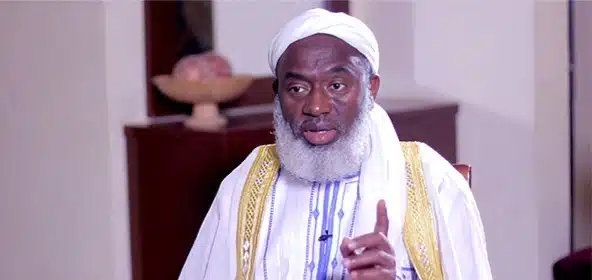
The cleric faced backlash in some quarters over allegations that his visit was aimed at promoting northern Islamic ideology and Islamising Oyo State, claims he strongly denied.
Gumi explained that he was not invited by any Muslim group or individual in the South-West, adding that he attended the event in his capacity as a representative of northern Islamic scholars.