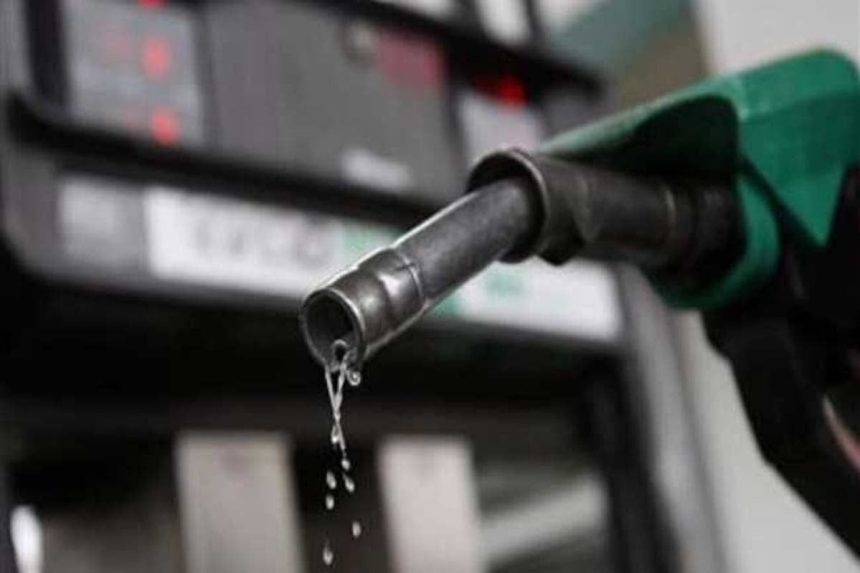
Global crude oil prices have fallen sharply to levels not seen since before the United States-Iran hostilities in February, yet Nigerians heading to the pump are not feeling any relief.
Dangote Refinery and Nigerian National Petroleum Company (NNPC) Limited have kept their prices unchanged, and independent marketers have followed suit.
EDITOR’S PICKS
Checks by EKO HOT BLOG indicated that Brent Crude dropped to $75.26 per barrel while WTI, the US variant, dropped to $71.49 when markets closed on Thursday.
A litre of PMS was sold between ₦770 and ₦800 per litre before the US-Iran hostilities broke out but currently a litre is sold at between ₦1,200 and ₦1,300 per litre, depending on the location.
So why aren’t prices coming down? The answer involves the naira, how refineries buy crude, and a market structure that makes it easier for fuel prices to go up than to come down.
The Naira Is the Real Price Tag
Even when crude oil prices fall in dollars, what Nigerians pay at the pump is calculated in naira. The refinery buys crude in dollars or converts naira to dollars to buy it. If the naira has weakened since the last price drop, the savings from cheaper crude can disappear entirely before they reach your tank.
An oil and gas analyst, Dr. Ayodele Oni, made the point plainly to Daily Trust: lower crude oil prices are necessary, but they are not enough on their own. The naira does the heavy lifting. As long as a dollar still costs over ₦1,300, the floor for what fuel can realistically sell for remains very high.
Dangote Prices Fuel as if It’s Still Being Imported
Here is the part that has industry observers frustrated. Even though Dangote Refinery produces fuel locally, it benchmarks its selling price against what it would cost to import fuel from abroad, a method called import parity pricing. That means even when there is no ship bringing fuel into Lagos, the price at the refinery still reflects as if there is.
Critics say this keeps prices artificially high. The National President of PETROAN, Billy Gillis-Harry, has raised concerns that in some cases, the actual cost of importing fuel is now lower than what Dangote is charging, yet pump prices have not moved.
“In some instances, the landing cost of imported petroleum products appears to be lower than the prices offered by domestic refiners. This development is surprising and underscores the need for a more competitive downstream petroleum market that guarantees consumers access to the most affordable products available,” Gillis-Harry said in a statement last Friday.
Nigeria Is Exporting the Crude Its Own Refinery Needs
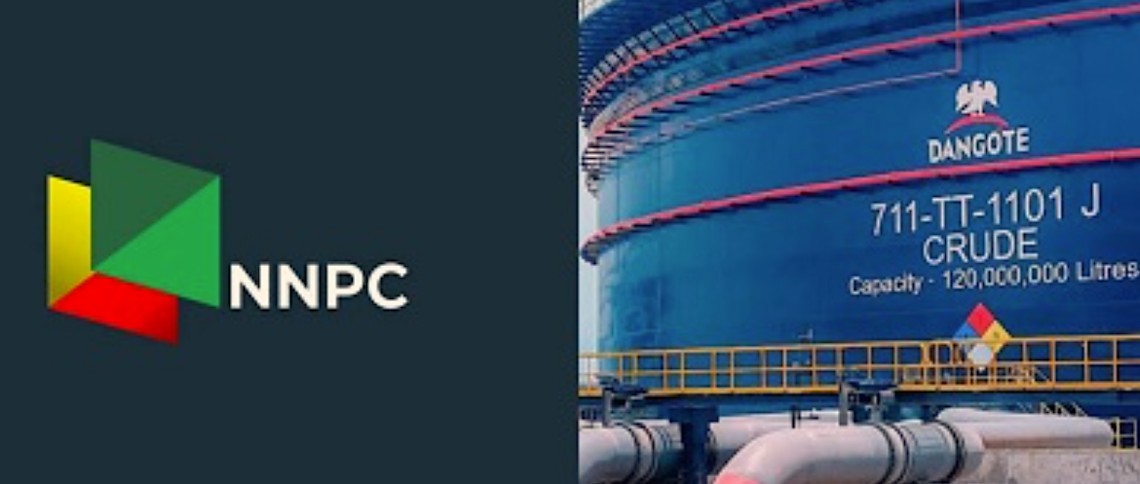
This is perhaps the most jarring part of the story. The Dangote Refinery needs roughly 13 to 15 crude oil cargoes every month to run at full capacity. NNPC has been supplying only five. Between October 2025 and mid-March 2026, the refinery received less than 27% of the crude it required.
To keep running, Dangote buys the shortfall from international traders at premium prices, sometimes $3 to $6 above the standard benchmark per barrel. That extra cost goes straight into the pump price. All of this is happening while Nigeria, through NNPC, continues to export the crude that its own refinery cannot get.
Prices Go Up Faster Than They Come Down
This pattern is not new and it is not accidental. Research consistently shows that fuel prices in Nigeria respond much faster to crude price increases than to crude price drops. When crude rises, the refinery adjusts within days. When crude falls, the wait begins.
FURTHER READING
Marketers also hold back because they are sitting on fuel they already bought at higher prices. Nobody wants to sell at a loss, so they wait for their expensive stock to run down before adjusting. By that time, another global event could have pushed prices back up.
Philip Ibitoye is a Special Correspondent with EKO HOT BLOG. Click here to find daily analysis and critical insight on trending issues in Lagos and other parts of Nigeria.
Click to watch the video of the week below: