To be fair, one can understand why.
EDITOR’S PICK
- Tinubu Lightens Mood, Calls First Lady ‘Iya Alakara’
- Lagos Dismisses Reports of Rising HIV Infections
- Tinubu Unveils Presidential Metering Initiative to Train 5,000 Nigerians
Nigerian social media, especially during election season, is one of the toughest places for anyone seeking public office. Every hour brings a fresh meme, a manipulated photograph, a sarcastic GIF, a misleading video or, these days, an AI-generated clip that looks so real it can easily deceive the unsuspecting. Some are creative. Some are genuinely hilarious. Some even offer encouragement. But many are simply abusive, demeaning and designed to ridicule.
On X, no one is spared. It hardly matters whose ox is gored. Politicians from every political party are dragged daily. What makes it even more interesting is that some of the sharpest criticisms come from educated Nigerians. Lawyers, professors, journalists, students and professionals engage in fierce exchanges, throwing witty jabs and well-crafted sarcasm. Sometimes the criticism is constructive. At other times, it degenerates into personal attacks.
It is little wonder many politicians either avoid social media altogether or claim not to use it.
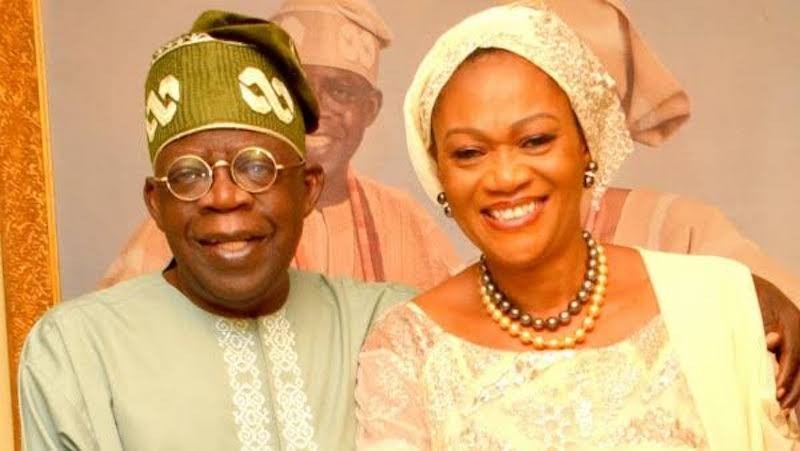
That is why one question kept coming to my mind after the “Iya Alakara” controversy involving the First Lady, Senator Oluremi Tinubu.
If President Tinubu truly does not use social media, who told him about “Iya Alakara”?
For days, the nickname dominated conversations online. Memes flooded timelines. Short videos circulated endlessly. Content creators saw an opportunity they could not resist. While many Nigerians simply laughed at the humour, others went beyond comedy, turning the nickname into an avenue for insults and mockery directed at the First Lady. Then came the twist.

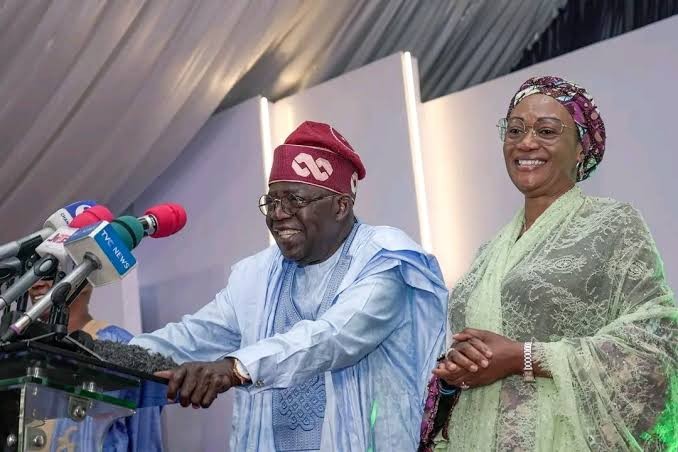
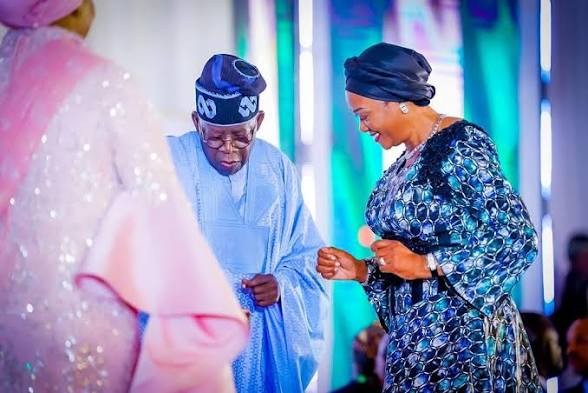
During the Presidential Press Corps Dinner held at the State House in Abuja, while acknowledging dignitaries, President Tinubu smiled and publicly referred to his wife as “Iya Alakara.” The hall burst into laughter.
With those two words, the President did something remarkable. Rather than becoming defensive or pretending the online conversation never happened, he embraced the nickname with humour. Instantly, much of the tension surrounding the controversy disappeared. The joke had lost its sting because the man many assumed knew nothing about it had publicly acknowledged it.
It was funny, but it was also instructive. That moment answered a question many people never stopped to consider.
Whether President Tinubu personally scrolls through X every morning is almost irrelevant. Someone around him certainly does. His media aides do. His advisers do. Government officials do. Every serious administration monitors public conversations because that is part of modern governance.
No leader governs in complete isolation from public opinion. This is where I believe Nigerian youths should pay close attention.
Many young people think social media is merely a place to entertain themselves, trend hashtags or vent frustration. Some assume their posts disappear into thin air and that no one in authority is paying attention.
That assumption is wrong. Leaders are listening, even when they appear silent.
Government agencies monitor trends. Political advisers compile reports. Media teams analyse public sentiment. Newspapers and television stations pick stories from social media every day, giving them even wider reach. Before long, conversations that started with an ordinary post on X or Facebook find their way into briefing notes and government offices.
The “Iya Alakara” episode is proof that public conversations travel much farther than many people imagine.
This is why social media should be used more constructively.
Yes, criticise government where criticism is deserved. Yes, demand accountability. Yes, question public officials. Democracy depends on active citizens.
But beyond the insults, abuse and manufactured outrage, there should also be room for ideas. Let young Nigerians use these platforms to discuss education, healthcare, security, innovation, agriculture, entrepreneurship and policies that can move the country forward.
Humour has its place. Nigerians are naturally gifted at finding laughter even in difficult moments. President Tinubu himself showed that when he turned a trending nickname into a moment of shared laughter.
But if a joke about “Iya Alakara” could travel from millions of phone screens to the President’s microphone at the State House, imagine how far thoughtful ideas and practical solutions can travel.
The next policy debate, the next reform or the next national conversation could begin with one well-informed post.
Someone is reading, someone is taking notes and whether or not the President owns the phone scrolling through your timeline, you can be sure that somebody close enough to brief him is paying attention.
FURTHER READING
- Dr. Tunji Alausa Warns of Learning Crisis as National Assessment Begins
- FG Trains University Leaders on Fundraising, Alumni Engagement for Sustainable Growth
- 6 Million More Nigerians Enrolled in Health Insurance Scheme – Tinubu
Click here to watch video of the week