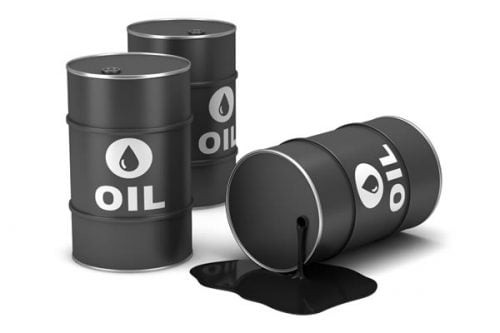
Nigeria’s crude oil and condensate production rose to 1.74 million barrels per day (mbpd) in June, up 2.3 per cent from May’s 1.70mbpd, according to the Nigerian Upstream Petroleum Regulatory Commission (NUPRC).
Crude oil alone climbed to 1.56mbpd, pushing the country above its OPEC quota of 1.5mbpd for a second straight month and marking its highest output since April 2020.
EDITOR’S PICKS
- What Tinubu Wants ICPC To Uncover About PFIPC, Adeyemi
- 2% of GDP ‘Missing’ or Just Unreported? Inside the IMF Controversy
It is also the fourth consecutive month of growth, with production rising steadily from 1.483mbpd in February to 1.735mbpd in June.
NUPRC, in a report released on Sunday, linked the gains to stable operations, fewer pipeline disruptions and smoother crude evacuation across producing terminals, with Bonny and Forcados leading the increases.
A boost for government revenue
The most immediate impact of rising output is on government income. Oil remains Nigeria’s largest source of foreign exchange and a major contributor to federal revenue, so every extra barrel pumped and sold adds directly to what the government earns.
With production now above the OPEC quota, Nigeria can sell more barrels without breaching its agreement, which should translate into higher earnings for the federation account.
This matters for a government that has struggled in recent years to meet its own budget assumptions on oil output. Steadier production also means more predictable revenue, which makes it easier for the federal and state governments to plan spending, service debt and fund projects without relying as heavily on borrowing.
Relief for the naira and reserves
Higher oil output also has consequences for Nigeria’s foreign exchange position.
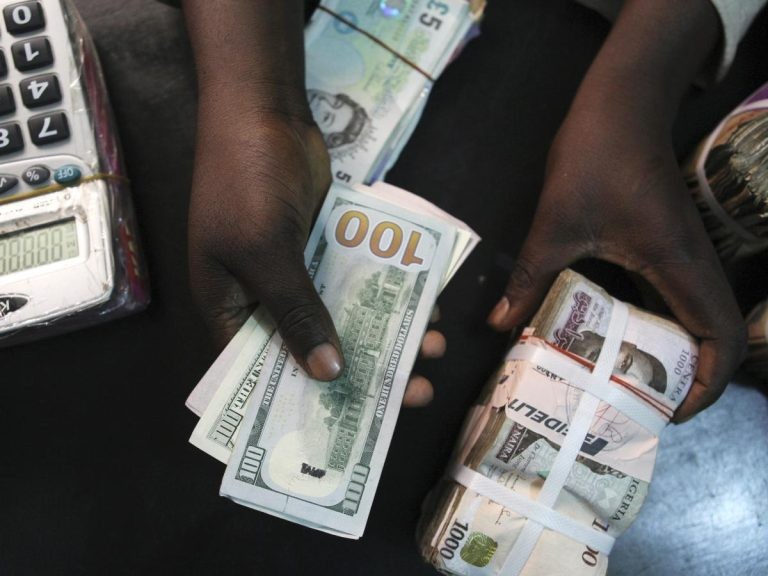
Crude sales are a key source of the dollars that flow into the country, and a sustained rise in production, especially if global prices hold steady, should support foreign reserves and ease pressure on the naira.
This is significant given how central oil dollars have been to Nigeria’s ability to manage exchange rate volatility over the past few years.
A steadier supply of foreign exchange from oil could give the Central Bank of Nigeria (CBN) more room to intervene in the market when needed, and may help calm some of the pressure that has driven periodic naira depreciation. It is not a complete fix for Nigeria’s currency troubles, but it removes one source of strain.
A sign of returning investor confidence
Beyond the numbers, the trend points to something else: producing assets are running more reliably, and pipeline vandalism and theft, which crippled output for years, appear to be less disruptive than before.
NUPRC noted that scheduled maintenance was completed without major disruption and that operational shutdowns had minimal effect on national output. This kind of stability tends to reassure international oil companies and investors who had scaled back commitments to Nigeria’s upstream sector amid insecurity and uncertainty.
If the trend holds, it could support the country’s ambition of reaching 2mbpd, a target NUPRC says is increasingly within reach given June’s peak daily output of 1.89mbpd.
Still, the gains come with a caveat. Nigeria’s economy remains heavily exposed to oil price swings, and rising production does not by itself fix long-standing issues such as low non-oil revenue, high debt servicing costs and refining capacity gaps.
FURTHER READING
But four straight months of growth, and output now above quota, give the federal government a rare piece of good news to build on as they look to stabilise the economy through the rest of 2026.
Philip Ibitoye is a Special Correspondent with EKO HOT BLOG. Click here to find daily analysis and critical insight on trending issues in Lagos and other parts of Nigeria.
Click to watch the video of the week below: