- 6 Silent Diseases That Often Show No Early Symptoms
- Regular health screenings can help detect silent illnesses before complications arise.
- Healthy lifestyle habits significantly reduce the risk of chronic diseases.
Many serious health conditions develop quietly, causing little or no discomfort until they have already done significant damage. Because the early stages often go unnoticed, people may only discover these illnesses during routine medical tests or after complications begin to appear.
EDITOR’S PICKS
- FG Partners With Chinese Investors To Secure Land For 10,000-Home Mass Housing Project
- Intelligence Materials Were Shared With US, Not Seized – DHQ
- Man Arraigned in Adamawa Over Alleged Abuse Involving Daughter
EKO HOT BLOG reports that knowing which diseases can remain hidden is an important step toward protecting your health. Regular checkups, healthy lifestyle choices and paying attention to subtle changes in your body can help detect these conditions before they become life threatening.
Here are six silent diseases that often show no early symptoms.
1. High Blood Pressure
High blood pressure, also known as hypertension, is often called the “silent killer” because many people have it without experiencing any warning signs.
Over time, uncontrolled hypertension can damage the heart, brain, kidneys and blood vessels, increasing the risk of heart attacks, strokes and kidney failure.
The only reliable way to know if you have high blood pressure is to check it regularly, especially if you are over 30 or have a family history of the condition.
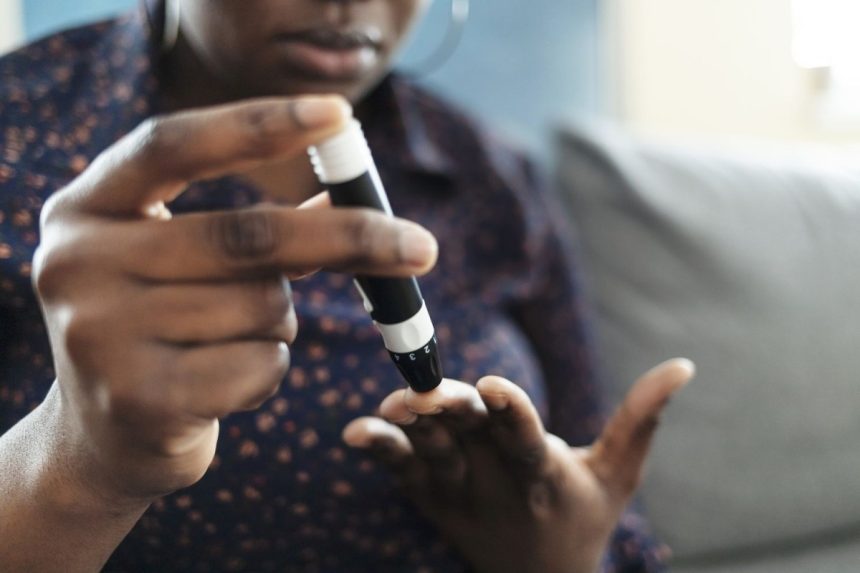
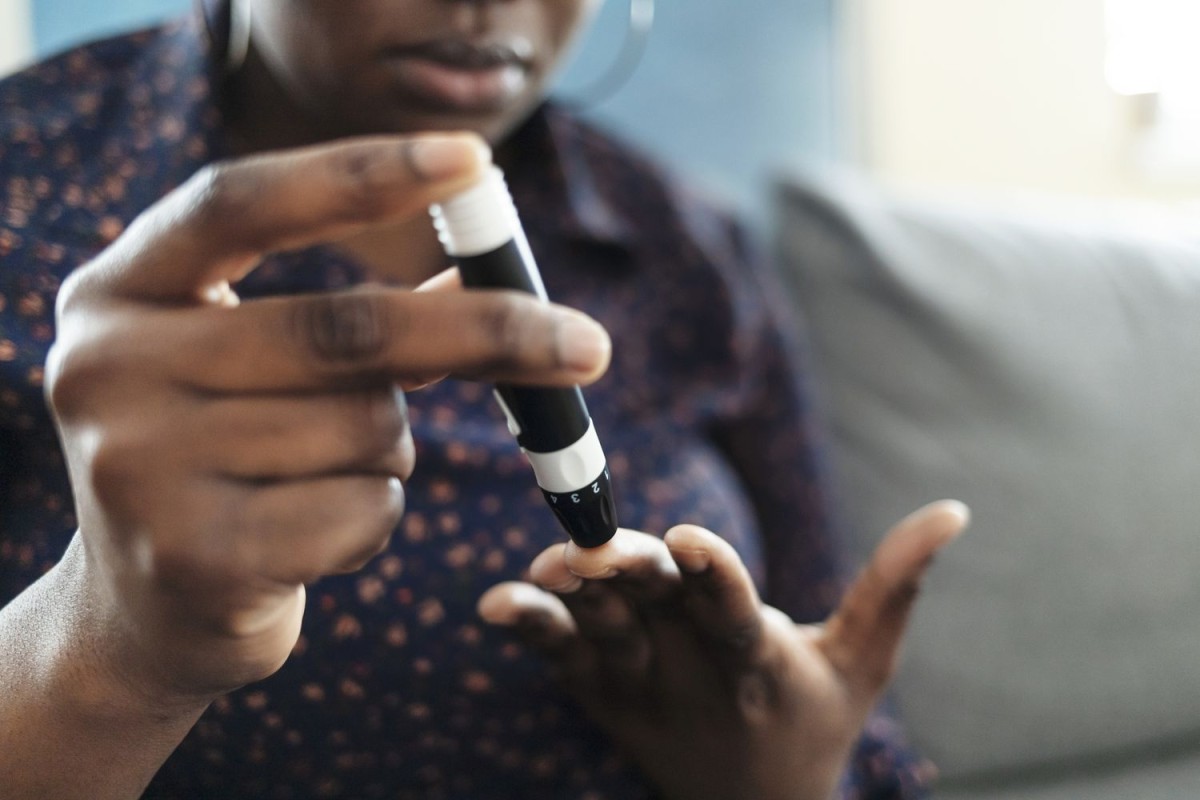
2. Type 2 Diabetes
Many people with Type 2 diabetes live with the condition for years before it is diagnosed.
Although some people may eventually notice excessive thirst, frequent urination or unexplained fatigue, the disease often develops gradually without obvious symptoms.
If left untreated, diabetes can damage the eyes, kidneys, nerves and heart. Routine blood sugar tests can help detect the condition early.
3. Chronic Kidney Disease
Your kidneys can lose much of their function before noticeable symptoms appear.
In the early stages, chronic kidney disease may not cause pain or discomfort. Many patients only discover the problem during blood or urine tests.
As the disease progresses, symptoms such as swelling of the feet, fatigue, poor appetite and changes in urination may develop.
People with diabetes or high blood pressure should have regular kidney function tests.
4. Fatty Liver Disease
Fatty liver disease occurs when excess fat builds up in the liver. Many people are completely unaware they have it because it often causes no symptoms in its early stages.
If left unmanaged, it can progress to liver inflammation, scarring and eventually liver failure.
Maintaining a healthy weight, limiting alcohol intake and exercising regularly can help reduce the risk.
5. Glaucoma
Glaucoma is an eye disease that gradually damages the optic nerve, often due to increased pressure inside the eye.
Most people experience no pain or vision problems in the early stages. By the time symptoms become noticeable, permanent vision loss may have already occurred.
Regular eye examinations are the best way to detect glaucoma before irreversible damage develops.
6. Osteoporosis
Osteoporosis weakens bones, making them fragile and more likely to break.
The condition usually develops silently over many years, with many people only discovering they have it after suffering a fracture from a minor fall.
Older adults, especially postmenopausal women, are at higher risk and should discuss bone density screening with their healthcare providers.
Why Regular Health Checkups Matter
Many silent diseases can be managed successf
ully when detected early. Regular medical checkups, blood pressure monitoring, blood sugar testing, eye examinations and routine laboratory tests can help identify health problems before complications develop.
Eating a balanced diet, staying physically active, avoiding tobacco, limiting alcohol consumption and maintaining a healthy weight also reduce the risk of many chronic illnesses.
While not every disease can be prevented, early detection often leads to better treatment outcomes and a higher quality of life.
Disclaimer: This article is for informational purposes only and should not be considered medical advice. Consult a qualified healthcare professional for diagnosis, treatment or concerns about your health.