- In a bid to reinforce public confidence ahead of the 2027 polls, Nigeria’s Independent National Electoral Commission (INEC) is planning a comprehensive technical audit of its voting systems.
- INEC is considering staging a nationwide mock presidential election to test the reliability, speed, and real-time output of its electronic transmission networks.
- The plans were revealed during a bilateral meeting between the INEC leadership and the outgoing British High Commissioner to Nigeria, who pledged continued UK support for the country’s democratic progress.
The Independent National Electoral Commission (INEC) has announced plans to conduct a comprehensive audit of its electoral technology and stage a mock presidential election as part of early efforts to deliver a seamless general election in 2027.
Eko Hot Blog reports that the INEC Chairman, Prof. Joash Amupitan (SAN), disclosed these prospective measures on Thursday while receiving the British High Commissioner to Nigeria, Dr. Richard Montgomery, at the commission’s headquarters in Abuja.
EDITOR’S PICK
- Why Africa Still Cannot Win the FIFA World Cup Despite Its World Class Talent
- Man Allegedly Slits Father’s Throat, Mutilates Body in Anambra
- Lagos Court Convicts Director, Company Over N822.4m Fraudulent Conversion
Amupitan explained that the proposed technical reviews and simulated election runs are being designed to address public concerns regarding the speed and reliability of election result uploads, which became major points of discussion after the 2023 general elections.
According to him, a complete diagnostic review of all voting and transmission equipment will allow the commission to identity potential security gaps and operational glitches before voters head to the polls.
The INEC chief admitted that while the proposed audit and mock runs were not originally factored into the commission’s fiscal budget, the administrative leadership is actively exploring financing avenues to execute them due to their potential to significantly bolster public trust and institutional transparency.
He added that the initiatives are part of a broader, ongoing review of the commission’s digital architecture.
This includes strengthening cybersecurity protocols, running routine vulnerability penetration tests, and building robust system redundancy and disaster recovery mechanisms to protect the Bimodal Voter Accreditation System (BVAS) and the INEC Result Viewing Portal (IReV) from malicious hacks.
Amupitan emphasized that preserving public trust depends directly on the unassailable integrity of its electronic systems.
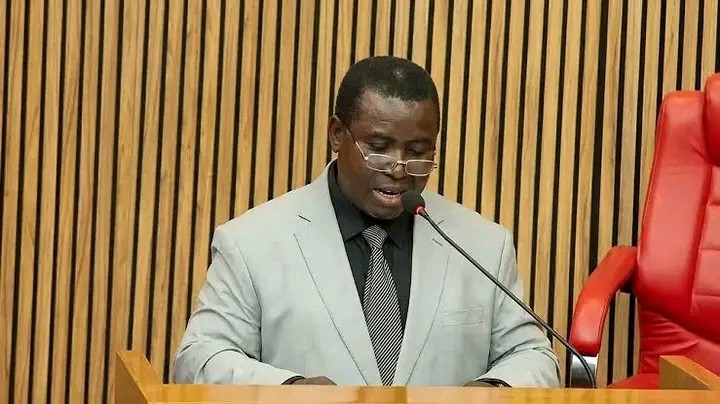
He identified cyber-defense and technical training as key areas where Nigeria hopes to deepen its bilateral cooperation with the United Kingdom and global democratic organizations like the International Foundation for Electoral Systems (IFES).
During the meeting, the outgoing British High Commissioner, Dr. Richard Montgomery, noted that the UK government has maintained a keen interest in Nigeria’s democratic processes, tracking performance across off-cycle governorship polls in Ekiti, Anambra, the Federal Capital Territory, and upcoming preparations for the Osun State election.
Montgomery, who is set to complete his diplomatic service in Nigeria in about six weeks, assured INEC that his successor would build upon the strategic partnership established between both nations, ensuring uninterrupted technical support ahead of 2027.