- ECOWAS signed the African Atlantic Gas Pipeline agreement
- The project will transport Nigerian gas to regional and global markets
- It aims to boost energy supply and regional integration
The proposed African Atlantic Gas Pipeline (AAGP) has taken a major step toward becoming a reality after leaders of the Economic Community of West African States (ECOWAS) signed the project’s Intergovernmental Agreement during the regional summit in Freetown, Sierra Leone.
Eko Hot Blog gathered that the agreement provides the sovereign commitment needed to move the cross-border energy project into its next phase. The pipeline is expected to connect Nigeria’s vast natural gas reserves with markets across West Africa, the Sahel, Morocco and Europe.
EDITOR’S PICK
- 175th Kayokayo Festival Grand Finale: Epe Celebrates 175 Years of Faith, Heritage, Unity and Prosperity
- Wale Raji Reaffirms Commitment at KayoKayo Finale
- India: Massive Garbage Heap Collapse Kills Nine Workers at Waste-to-Energy Plant.
The Nigerian National Petroleum Company Limited (NNPC Ltd.) confirmed the development in a statement issued on Monday by its Chief Corporate Communications Officer, Andy Odeh.
Jointly promoted by NNPC Ltd. and Morocco’s Office National des Hydrocarbures et des Mines (ONHYM), the pipeline is projected to extend nearly 6,900 kilometres along the Atlantic coastline of West Africa.
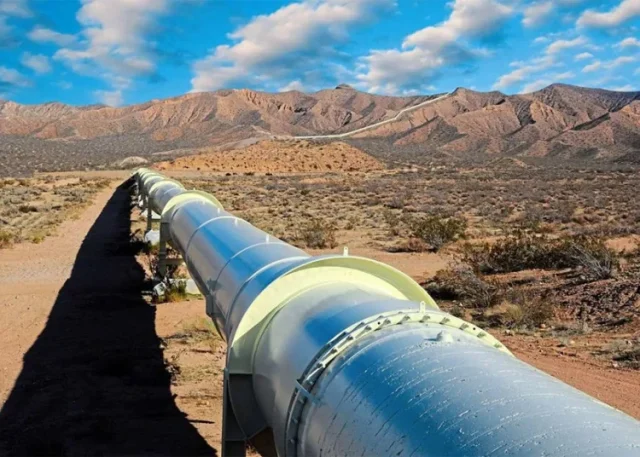
Once completed, the infrastructure is expected to transport about 30 billion cubic metres of natural gas annually, supplying energy to coastal nations, landlocked Sahel countries, Morocco and European markets through existing regional connections.
NNPC said the project would establish a new energy corridor linking West Africa to the Maghreb-Europe Gas Pipeline, expanding export opportunities for African gas while strengthening regional energy integration.
The company added that as much as 15 billion cubic metres of the pipeline’s annual capacity could be delivered to Morocco and Europe.
Beyond exports, the project is expected to improve electricity generation, widen access to energy, stimulate industrial growth and create new value chains across participating countries.
The latest agreement implements the approval granted during the 66th ECOWAS Ordinary Summit held in Abuja in December 2024 and follows the Memorandum of Understanding signed by Nigeria and Morocco in 2022.
According to NNPC, the remaining requirement before the legal framework is fully completed is the endorsement of the agreement by Morocco and Mauritania.
The initiative was originally conceived under former Nigerian President Muhammadu Buhari and Morocco’s King Mohammed VI and has continued to receive the backing of President Bola Tinubu.
Preparatory work has already advanced considerably, including front-end engineering design, route surveys, environmental and social impact assessments, as well as the development of legal, commercial and regulatory frameworks.
These milestones, the company said, have positioned the project for implementation.
The pipeline will pass through 13 Atlantic coastal countries while also providing interconnections to landlocked nations in the Sahel region.
NNPC Group Chief Executive Officer, Bashir Bayo Ojulari, described the signing of the agreement as a critical milestone that provides the political foundation required to move the project from planning into execution.
He said the initiative aligns with President Tinubu’s vision of unlocking Nigeria’s gas potential through infrastructure capable of delivering about three billion cubic feet of gas daily to domestic and international markets.
ONHYM Director-General, Amina Benkhadra, also welcomed the agreement, describing it as another important achievement for the project. She said the pipeline reflects the shared vision of the Nigerian and Moroccan governments to promote greater economic and energy integration across Atlantic Africa.
Following the expected signatures from Morocco and Mauritania, the Pipeline Higher Authority will be established in Abuja, while the AAGP Project Company will be headquartered in Casablanca to coordinate implementation and prepare for the project’s Final Investment Decision.
Promoters of the initiative said construction will be guided by international standards for technical excellence, environmental sustainability and transparent governance.
When completed, the African Atlantic Gas Pipeline is expected to rank among the continent’s largest energy infrastructure projects, helping Nigeria monetise its extensive gas reserves, improve regional energy security, increase export earnings and support industrial development across Africa.
FURTHER READING