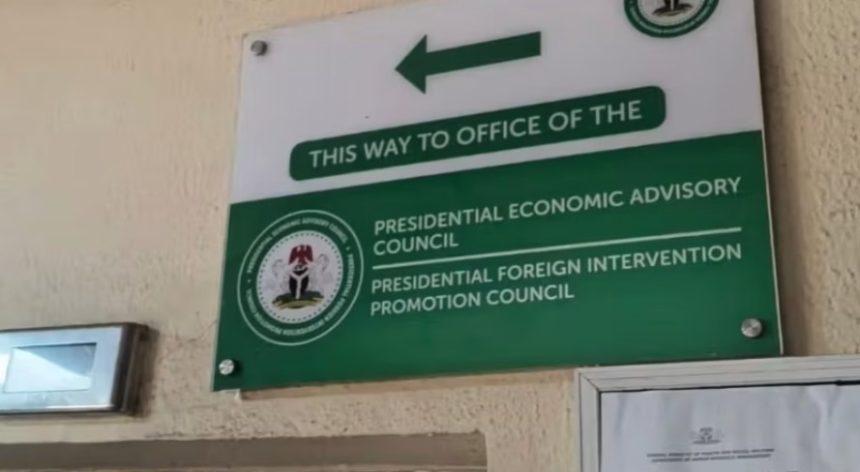
A forged letter, made to look like it came from the State House, is at the heart of how the fictitious Presidential Foreign Intervention Promotion Council (PFIPC) managed to acquire the trappings of a real government agency.
The Accountant-General of the Federation (AGF), Shamseldeen Ogunjimi, made the revelation to the House of Representatives Ad Hoc Committee investigating the scandal on Monday.
EDITOR’S PICKS
Ogunjimi, who appeared before the committee on Monday, said his office approved an administrative code for the council after receiving what looked like genuine correspondence from the Presidency, only for later investigations to establish that the State House never issued the document.
How The Letter Set Things In Motion
According to Ogunjimi, the Treasury’s involvement with the organisation began with a letter dated November 7, 2024, bearing a State House reference number. The letter requested the creation of an administrative code for the “Presidential Economic Advisory Council” to allow for budgeting, accounting and financial reporting.
Following what he described as standard procedure, the Office of the Accountant-General approved the request, created the code, and communicated its decision back to the State House, with a copy sent to the Office of the Auditor-General of the Federation.
That single approval effectively gave the council administrative legitimacy within government systems — legitimacy it would go on to use for further requests.
More Requests, But No Funds Released
Once the code was created, the purported council came back with several more requests: for self-accounting status, deployment of personnel, the opening of a Treasury Single Account, domiciliary accounts, and funding approvals.
Ogunjimi told lawmakers his office processed some of these administrative steps but insisted no actual government money was ever released.
“It is important to note that no funds were released under salaries, overhead, capital, or any form of intervention or special allocation to the council,” he said.

The council had also applied for a ₦27.4 billion establishment grant, but the request was turned down because there was no budgetary provision for it. Separately, the Central Bank of Nigeria opened two domiciliary accounts for the organisation, but they never became operational because the required regulatory steps for activation were never completed.
Lawmakers pressed Ogunjimi on how the fictitious body managed to move through multiple layers of government bureaucracy undetected. He explained that the Treasury had simply acted in good faith on a document it believed came from the Presidency.
“The letter that was received by the Treasury was respectfully addressed as coming from the State House,” Ogunjimi said. “That letter was never issued by the State House.”
His account strengthens the committee’s suspicion that forged presidential correspondence was the key that unlocked official recognition for an agency with no legal existence.
Civil Servants Left In The Dark
The hearing also uncovered how two civil servants, originally posted to the Office of the Chief Economic Adviser to the President in 2010 and 2013, ended up effectively working for the council without their employer’s knowledge.
Ogunjimi said his office was never formally notified that the officers had been absorbed by a new organisation, and the officers themselves never reported the change.
“As far as I was concerned, we were dealing with a new agency, not the Office of the Chief Economic Adviser,” he said, adding that his office only learned the two staff had been taken over once the scandal broke.
The council had also requested five additional personnel, but the Treasury approved only three after determining the request was excessive.
What Happens Next
The committee has already received evidence from the police confirming that criminal charges bordering on conspiracy and fraud have been filed against Adeniyi Adeyemi, the man accused of posing as the council’s Director-General, before the Federal High Court.
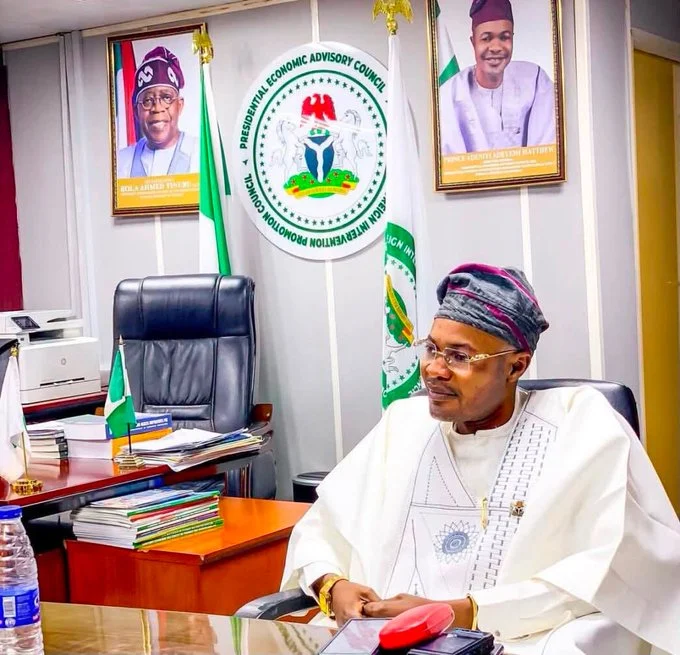
During Monday’s session, the committee directed the Inspector-General of Police to produce Adeyemi before lawmakers by noon on Wednesday to answer questions on the alleged forgery of government documents and the running of the council.
FURTHER READING
The panel is expected to conclude its investigation with recommendations covering possible administrative, legislative and criminal measures against anyone found responsible.
Philip Ibitoye is a Special Correspondent with EKO HOT BLOG. Click here to find daily analysis and critical insight on trending issues in Lagos and other parts of Nigeria.
Click to watch the video of the week below: