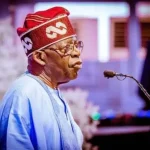
- Coup Suspect Sought Spiritual Backing, Paid Millions For Prayers To Oust Tinubu
- The clerics told investigators they repeatedly discouraged any attempt to overthrow government.
- Six defendants pleaded not guilty as the alleged coup trial continues.
Court documents filed by the Federal Government in the ongoing trial over an alleged plot to overthrow President Bola Tinubu have claimed that the suspected mastermind, Nigerian Army Colonel Mohammed Ma’aji, sought spiritual support from Islamic clerics while allegedly planning the failed coup.
According to court records obtained by Premium Times, the prosecution alleged that the senior military officer repeatedly approached clerics for prayers, guidance and spiritual support during the alleged plot.
The records further showed that the clerics consistently discouraged any attempt to overthrow the government.
EDITOR’S PICKS
- Olodo Uprising: Sanwo-Olu Advises Youths to Embrace Knowledge, Curiosity
- BBN Season 11 Kicks Off with Unveiling of 24 Housemates Competing for ₦160m Grand Prize
- Why Africa Must Stop Exporting Raw Materials, Lessons From Benin for Nigeria
EKO HOT BLOG reports that the allegations form part of the prosecution’s proof of evidence before the Federal High Court in Abuja and a General Court Martial and remain subject to determination by the court.
The Federal Government, on April 22, arraigned six defendants before the Federal High Court in Abuja over the alleged 2025 coup plot.
The defendants are retired Major General Mohammed Gana, retired Navy Captain Erasmus Ochegobia Victor, Police Inspector Ahmed Ibrahim, Presidential Villa electrician Zekeri Umoru, Bukar Goni and Kaduna based Islamic cleric Abdulkadir Sani.
They are facing a 13 count charge bordering on treason, terrorism, money laundering and failure to disclose information.
The case, marked FHC/ABJ/CR/206/2026, was instituted by the Office of the Attorney General of the Federation.
In his statement to investigators, Bukar Goni said he met Ma’aji through Major M.A. Usman after both military officers sought prayers over repeated failures in promotion examinations.
According to Goni, the colonel became frustrated after allegedly failing to secure promotion to the rank of brigadier general and believed senior officers were deliberately frustrating his career progression.
The cleric said he advised the officer to remain prayerful and engage in charitable activities instead of pursuing unlawful actions.
Goni alleged that Ma’aji later discussed individuals planning what he described as a “riot,” but maintained that he discouraged the idea whenever it was mentioned.
According to the statement, the cleric also gave what he described as a spiritual warning, telling the officer he would experience a troubling dream, which he interpreted as a sign that any violent action would end in failure.
Goni claimed the warning temporarily convinced the officer to abandon the alleged plan.
The cleric admitted receiving millions of naira from Ma’aji but insisted the funds were solely for prayers, charitable activities and the construction of a mosque.
He told investigators that about ₦10 million was transferred within 15 days, while two additional transfers of ₦20 million each were later received.
According to him, about ₦24.7 million had already been spent on purchasing land for the proposed mosque, while the remaining funds were reserved for the project.
He denied receiving any money to support an alleged coup.
Another cleric, Abdulkadir Sani, also told investigators that Ma’aji initially approached him for prayers during a religious gathering in Bida.
According to Sani, discussions later shifted after an intermediary allegedly informed him about the planned uprising.
The cleric said he immediately warned that the operation would fail because two members of the group would eventually betray it.
Sani further alleged that the colonel later requested prayers to prevent internal betrayal and subsequently transferred ₦2 million into his bank account.
He said his account was later restricted and that he was arrested after visiting the Economic and Financial Crimes Commission to make enquiries.
The statements of the two clerics form part of the prosecution’s evidence in the ongoing trial.
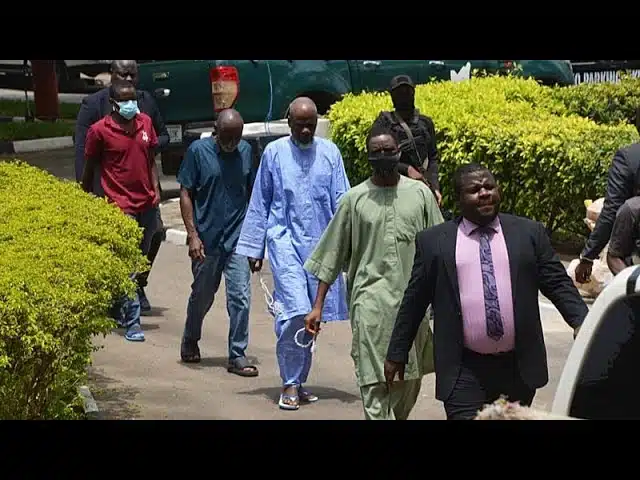
The prosecution alleged that they were among several witnesses questioned during the investigation involving military officers, police personnel and civilians.
All six defendants have pleaded not guilty to the charges and challenged the admissibility of their statements.
The court is expected to determine the allegations after considering the evidence presented during the trial.