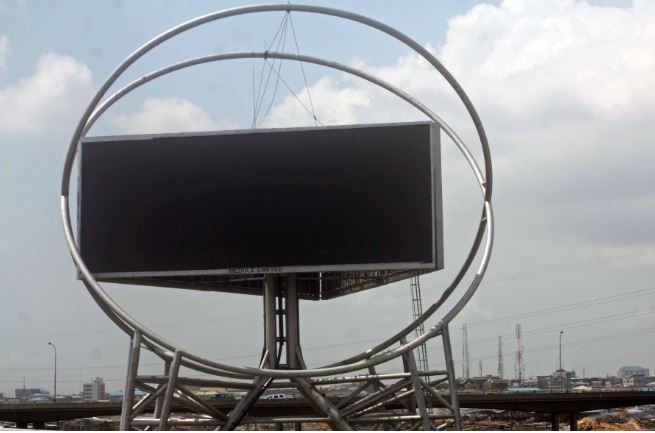
Abia State has set a new price for political ambition. Unfortunately, it is one that threatens to price many elective office seekers out of the political space.
The Abia State Structures for Signages and Advertising Agency (ABSSAA) says any presidential candidate who wants to campaign on billboards and posters in the state must first pay ₦200 million for a permit. Governorship candidates will pay ₦150 million, senatorial candidates N100 million, House of Representatives candidates ₦50 million, and state Assembly candidates ₦20 million.
EDITOR’S PICKS
ABSSAA officials say the fees are non-negotiable and apply equally to every party. The state’s Strategic Communications Bureau describes the policy as a way to protect road safety, keep cities clean, and give every candidate equal access.
But the Out-of-Home Advertising Association of Nigeria has called the rates unsustainable, warning they could shrink political advertising and worsen voter apathy. The African Democratic Congress (ADC) in Abia has gone further, arguing the Supreme Court already settled this matter by placing outdoor advertising fees under local government authority, not the state.
Pricing Out the Best Candidates
The immediate question is what this does to competition. If a presidential candidate needs N200 million just to put up billboards in one state, and Nigeria has 36 states plus the Federal Capital Territory (FCT), the arithmetic quickly becomes brutal.
This is money spent before a single vote is won, before policies are debated, before a candidate proves they can lead. It rewards whoever has the deepest pockets or the richest backers, not necessarily whoever has the best ideas.
Nigerian politics already leans heavily toward money. Adding a six-figure-dollar entry fee for outdoor visibility pushes it further from a contest of merit and closer to an auction. A brilliant, capable candidate without wealthy sponsors is quietly priced out before the race even starts. That is not how the best person is supposed to win.
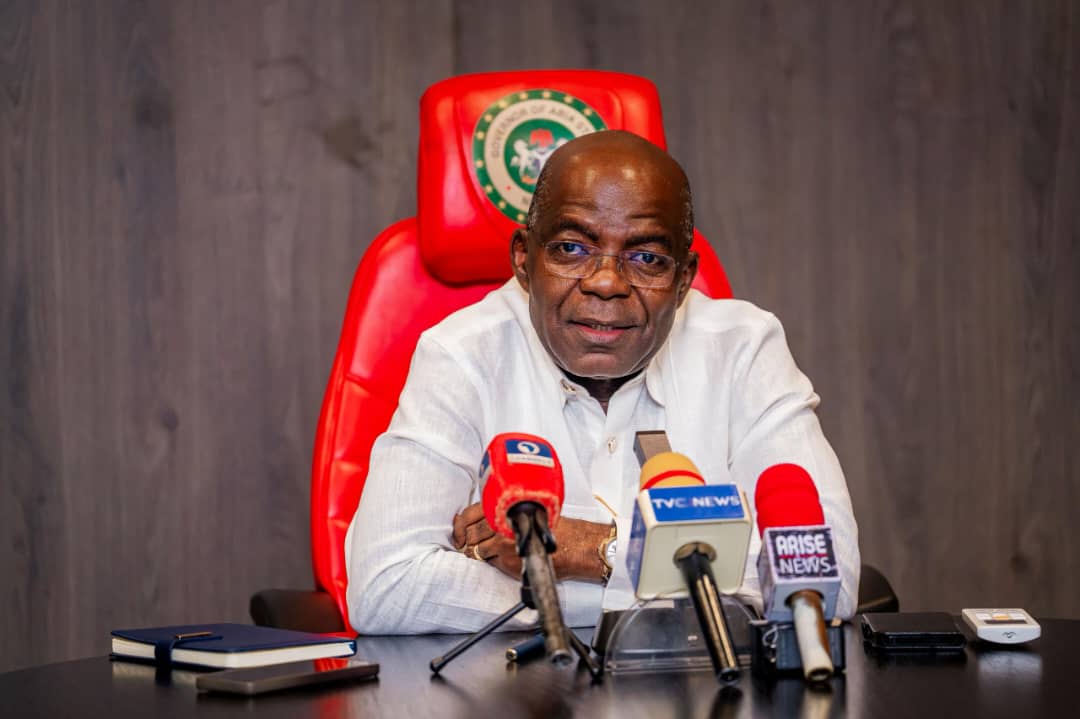
If Every State Followed Abia’s Lead…
The bigger danger is precedent. If other states copy Abia’s model, a presidential candidate could face similar or higher charges across the federation just to be seen on a billboard. Kalu Kalu of the ADC has already flagged this, noting that a uniform N200 million charge across 36 states would mean about ₦7.2 billion spent on outdoor advertising alone.
That kind of cost discourages good people who lack access to big money. It hands the field to political godfathers, business moguls, and parties with deep war chests, while independent-minded or grassroots candidates are shut out. A democracy that filters candidates by wealth rather than competence is not building better leadership. It is building a smaller, richer club.
Abia had 2,120,808 registered voters ahead of the 2023 elections. That is a small state by voter population. Kano had 5,921,370 registered voters, and Lagos had 7,060,195, more than three times Abia’s figure.
If other states scale their fees the way Abia has, a state like Lagos could argue for charging three times as much, since it has more than three times the voters. On that logic, a presidential candidate could face over ₦600 million from Lagos alone, before adding what Kano, Rivers, Kaduna, or any other state might demand.
FURTHER READING
Multiply that pattern across Nigeria’s most populous states, and outdoor campaigning stops being a tool for reaching voters. It becomes a luxury only a handful of candidates can afford, in the states where the most voters actually live.
Philip Ibitoye is a Special Correspondent with EKO HOT BLOG. Click here to find daily analysis and critical insight on trending issues in Lagos and other parts of Nigeria.
Click to watch the video of the week below: