- At least 224 people have been confirmed dead and over 700 others injured following a violent 7.4-magnitude earthquake in western Colombia, with authorities warning that figures will continue to rise as search crews clear collapsed structures.
- President Abelardo de la Espriella has declared a national state of emergency after more than 1,600 buildings were damaged or destroyed, including upper floors of a major medical facility in Cali and a historic cathedral in Manizales.
- Emergency operations have drawn international relief pledges, with the United States providing $15.5 million in aid, the European Union deploying satellite mapping, and neighboring nations offering search and rescue units.
Search and rescue operations across western Colombia reached a desperate phase on Tuesday as the confirmed death toll from a powerful 7.4-magnitude earthquake climbed to at least 224, with more than 700 people receiving emergency medical treatment for severe injuries.
Eko Hot Blog reports that emergency personnel, supported by military troops and civilian volunteers, worked continuously through the night to clear mounds of concrete, twisted metal, and shattered masonry in a race to pull survivors from collapsed buildings across multiple departments.
EDITOR’S PICK
- Tinubu Approves Army Expansion, Recruitment of 28,000 Personnel
- Aregbesola Claims Record as First Nigerian Governor to Serve Eight Years Without Owning a House
- Ikosi-Ejinrin LCDA Commissions Fully Equipped NSCDC Divisional Headquarters, Donates Patrol Vehicle and Motorcycle to Boost Security
The powerful seismic tremor struck at 7:34 a.m. local time on Monday, with its epicenter pinpointed near the remote community of San José del Palmar in the western department of Chocó, approximately 400 kilometers west of the nation’s capital, Bogotá.
According to the United States Geological Survey and the Colombian Geological Service, the quake originated at a depth of roughly 107 kilometers.
Despite the focal depth, high-frequency shockwaves rippled violently across the region, triggering structural failures and causing widespread panic across major urban centers, while milder shaking was recorded in neighboring Panama and Ecuador.
Local authorities across western Colombia have reported heavy casualties across several municipalities.
In Valle del Cauca, municipal officials in Cali reported at least 35 deaths, while the department as a whole recorded over 700 injuries. In the Risaralda region, centered around the city of Pereira, authorities confirmed at least 40 fatalities.
Additional casualties were reported in other areas, including nine deaths in Chocó, two in Caldas, and one in Antioquia. Officials cautioned that these numbers remain preliminary as heavy machinery and rescue dogs reach more isolated communities.
Confronting his administration’s first major emergency just days after his presidential inauguration, Colombian President Abelardo de la Espriella officially declared a national state of emergency.
Speaking during a crisis briefing, President de la Espriella emphasized that the federal government’s primary mandate is the immediate location and rescue of citizens trapped beneath rubble.
To facilitate recovery efforts, the government deployed over 1,000 soldiers to assist firefighters and civil defense personnel in establishing search grids and maintaining security in affected zones.
The physical destruction across western Colombia is extensive, with more than 1,600 structures reported damaged or destroyed. In Cali, several upper floors of a prominent hospital collapsed, trapping patients and medical staff and forcing approximately 600 individuals to receive critical care in improvised outdoor triage centers setup amid street debris.
In Manizales, structural shocks caused part of the city’s historic neo-Gothic cathedral tower to buckle and fall onto the central nave.
Meanwhile, in Chocó, difficult terrain and limited road access have severely delayed initial assessments, with several rural communities reachable only by boat or aircraft.
To maintain public order and preserve access routes for emergency vehicles, authorities imposed nighttime curfews across Cali, Armenia, and Manizales. Regional transport networks faced widespread disruptions, with flight operations temporarily suspended at airports in Pereira, Manizales, Quibdó, Armenia, Cartago, and Buenaventura to allow structural engineers to evaluate runway and terminal integrity.
Additionally, local governments postponed major public gatherings, including the annual Petronio Álvarez Music Festival in Cali and professional football fixtures.
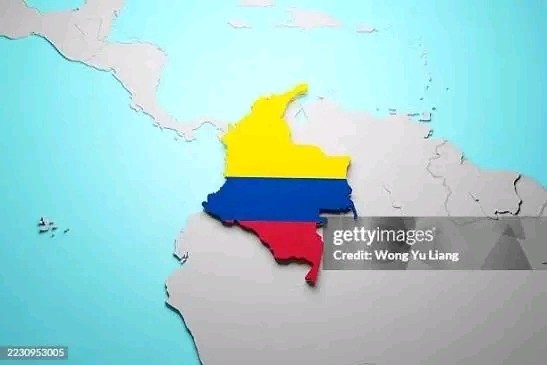
International support has begun arriving to assist Colombian disaster response authorities.
The United States government announced an initial $15.5 million emergency relief allocation for emergency shelters, clean water, and provisions, while the European Union activated its Copernicus satellite mapping infrastructure to provide high-resolution damage assessments for ground commanders.
Additional offers of specialized search-and-rescue teams, medical personnel, and humanitarian supplies were extended by Mexico, El Salvador, and regional partners as emergency operations continue.
FURTHER READING