- INEC says about 1.4 million ad hoc staff will work during the 2027 elections
- The personnel will cover more than 176,000 polling units nationwide
- The commission says it is strengthening technology, logistics and voter access ahead of the polls
The Independent National Electoral Commission (INEC) has disclosed plans to engage about 1.4 million temporary election workers for the 2027 general elections as preparations intensify across the country.
Eko Hot Blog gathered that INEC Chairman, Prof. Joash Amupitan, revealed the figure on Tuesday while receiving a delegation from the International Republican Institute’s Pre-Election Assessment Mission at the commission’s headquarters in Abuja.
EDITOR’S PICK
- Osun Election: INEC Reports 94.5% Polling Units Opened on Time
- THEDSF Visits Alara of Ilara Kingdom, Seeks Royal Support for Youth Mobilisation
- Super Falcons Miss Women’s World Cup for First Time
The delegation was led by former United States Assistant Secretary of State for African Affairs, Ambassador Jendayi Frazier.
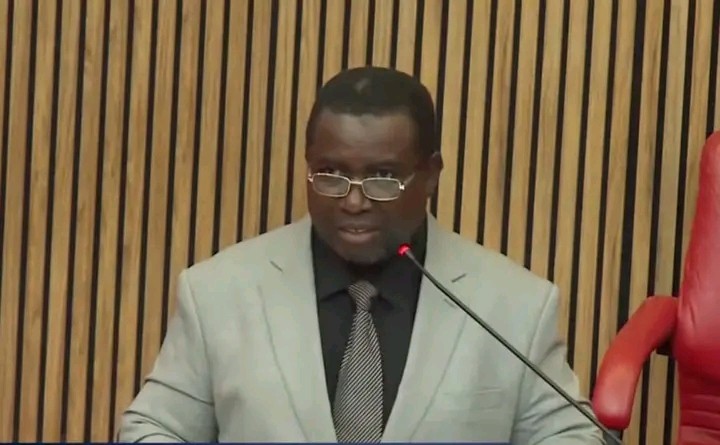
Amupitan explained that the size of the workforce would be necessary to manage the extensive electoral operations expected across more than 176,000 polling units nationwide.
He said preparations for the 2027 polls were already underway, with the commission implementing several measures aimed at improving the credibility and efficiency of the election.
Among the measures is the Continuous Voter Registration exercise and a detailed review of the existing voters’ register.
The INEC chairman said the commission would also use its Automated Biometric Identification System to detect multiple registrations and remove duplicate entries from the voter database.
He added that attention was being given to the commission’s logistics operations, including arrangements for moving personnel and materials ahead of election day. Partnerships with transport unions, he said, would help ensure that polling units open on schedule.
INEC is also planning measures to make voting more accessible to vulnerable groups. According to Amupitan, special provisions will be made for people living with disabilities, pregnant women, nursing mothers and elderly voters.
The chairman said recent off-cycle elections had given the commission an opportunity to assess its technological systems, logistics and security arrangements before the much larger 2027 elections.
He pointed to the performance of the Bimodal Voter Accreditation System and the electronic transmission of polling-unit results through the INEC Result Viewing portal as examples of progress recorded during recent elections.
According to him, result-upload rates exceeded 98 per cent in some of the recent off-cycle polls.
Despite the improvements, Amupitan acknowledged that several challenges could still affect the electoral process. He listed insecurity, election-related violence, vote-buying, hate speech, disinformation and attempts by foreign actors to influence information as areas of concern.
He said INEC was collaborating with relevant security and anti-corruption agencies to address these issues. The Inter-Agency Consultative Committee on Election Security, the Economic and Financial Crimes Commission and the Independent Corrupt Practices and Other Related Offences Commission are among the bodies involved in the effort.
The commission is also expected to take part in the signing of the first National Peace Accord on issue-based campaigns by presidential candidates under the coordination of the National Peace Committee.
Amupitan described the visit by the IRI delegation as timely, particularly with public campaigns for the 2027 elections scheduled to begin on Wednesday.
The delegation’s assessment mission, which commenced on August 11 and is expected to conclude on August 21, is examining preparations for the forthcoming elections.
The INEC chairman welcomed international observers, describing them as important partners whose assessments could provide useful recommendations for improving Nigeria’s electoral system.
He assured the delegation that the commission would remain open and cooperative throughout the preparations, stressing that its responsibility was to conduct an election that is credible, transparent, inclusive and reflective of the choice of Nigerian voters.
FURTHER READING