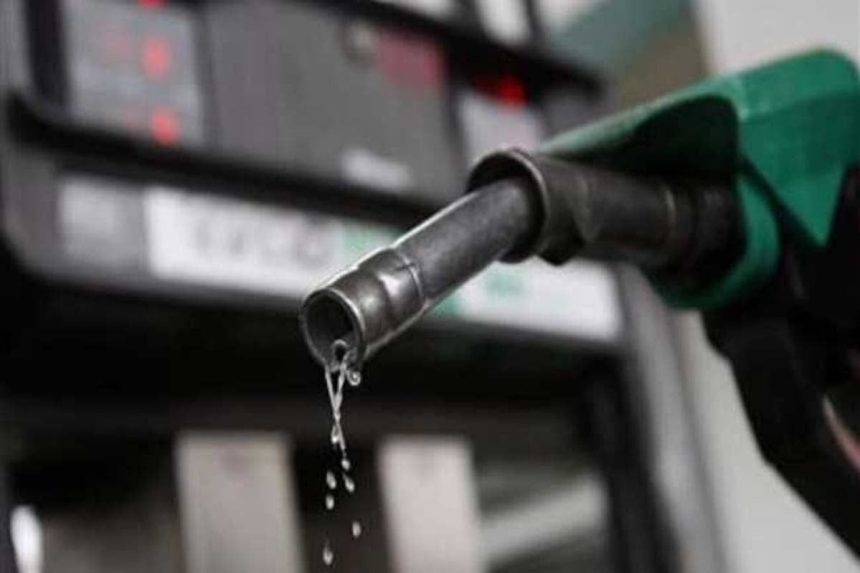
Minister of Finance, Taiwo Oyedele, says the federal government spent N9.39 trillion on wage adjustments, minimum wage increases and allowances for public servants, and a further N9.37 trillion on external debt servicing, between June 2023 and December 2025.
Together, both expenses consumed more money than the entire savings generated from the removal of the petrol subsidy.
EDITOR’S PICKS
Oyedele, who is also coordinating minister of the economy, made the disclosure on Wednesday at a press conference in Abuja on the financial impact of the Tinubu administration’s economic reforms.
According to Oyedele, the removal of the petrol subsidy and the unification of Nigeria’s foreign exchange rates generated N15.8 trillion in resources for the federation between June 2023 and December 2025. The federal government’s share was N5.4 trillion, while N10.4 trillion went to state and local governments.
Added to other revenue and borrowing, the federal government’s total incremental resources over the period came to N20.4 trillion. But its incremental expenditure was N30.64 trillion, a gap of N10.24 trillion.
Oyedele said wages and debt servicing were the two largest claims on that spending, almost matching each other:
- N9.39 trillion on wage adjustments, minimum wage increases and allowances
- N9.37 trillion on servicing external debt
- N6.5 trillion on strategic infrastructure
Either one of the first two items on its own was larger than the federal government’s entire N5.4 trillion take from the subsidy reforms.
“The incremental amount that the federal government spends paying higher wages is more than the entire savings that the federal government earned from subsidy removal,” Oyedele said.
The wage bill grew mainly because government adjusted public sector pay to cushion workers from the cost-of-living increase that followed the subsidy removal. Petrol prices jumped after the subsidy was withdrawn in June 2023, pushing up transport costs and prices generally.
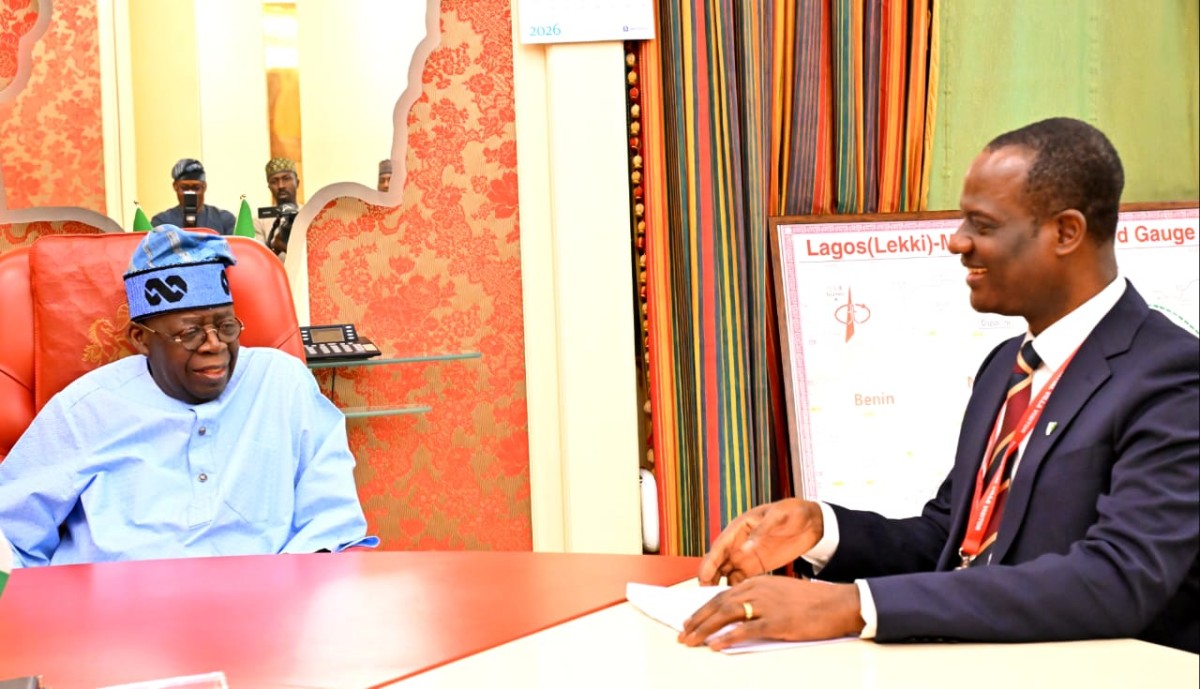
In June 2024, Tinubu approved an increase in the national minimum wage from N30,000 to N70,000 after signing new minimum wage legislation. That law requires the minimum wage to be reviewed every three years, meaning further wage pressure is due again in 2027.
Debt servicing cost almost exactly as much as the wage bill. The federal government borrowed to help cover the gap between what it earned and what it spent: N30.64 trillion in expenditure against N20.4 trillion in incremental resources. Servicing that debt, and existing obligations, now competes directly with other spending for the same pool of reform savings.
The Result: Less Room for Other Promises
Together, wages and debt servicing accounted for the two largest single items in federal spending during the period, leaving strategic infrastructure — at N6.5 trillion — as the next biggest item.
Oyedele did not break down how much of the reform savings, if any, went directly toward the palliative measures announced in 2023, such as cash transfers, CNG buses or manufacturing support.
Oyedele acknowledged that the reforms had come at a cost to Nigerians. “The decisions came at a real cost, and we are not here to pretend otherwise,” he said.
FURTHER READING
With wages due for another statutory review in 2027 and debt servicing already consuming a comparable share of resources, the two items look set to keep competing for the same fiscal space that was originally promised to fund broader relief for Nigerians.
Philip Ibitoye is a Special Correspondent with EKO HOT BLOG. Click here to find daily analysis and critical insight on trending issues in Lagos and other parts of Nigeria.
Click to watch the video of the week below: