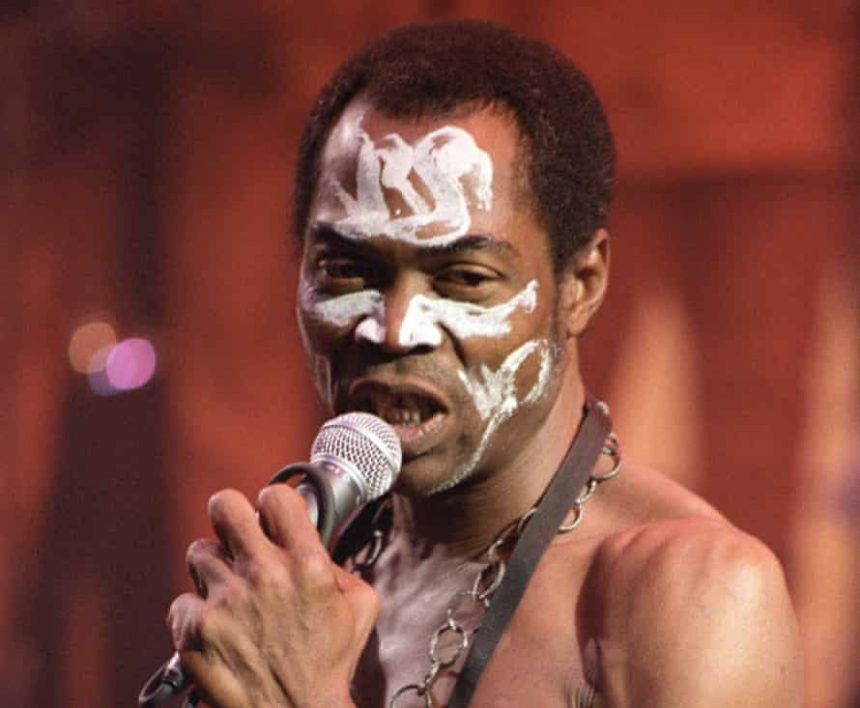
In August 1997, an HIV/AIDS scare rocked Kalakuta Republic, the empire of Afrobeat legend Fela Anikulapo-Kuti, leading to some of his children considering the burning of his dresses and pants, according to a P.M. News edition of August 4, 1997.
EKO HOT BLOG obtained the archived news report from Archivi.ng, an online platform chronicling Nigeria’s history.
EDITOR’S PICKS
Following the public revelation by Fela’s elder brother, Professor Olikoye Ransome-Kuti, that the singer had died of complications associated with AIDS, anxiety and confusion reportedly spread through the musician’s sprawling household. Some family members, overwhelmed by fear of the disease and the stigma surrounding it, decided to remove his personal belongings from his bedroom.
“AIDS Scare In Kalakuta: Fela’s Dresses, Pants To Be Burnt” — P.M. News, 1997
“A member of the family told P.M. News this morning that he does not see the correctness of the move. He argued that those personal effects are part of Fela's being, He reasoned that what they could do… pic.twitter.com/dsVoLkGwgE
— archivi.ng (@StartArchiving) October 24, 2025
According to P.M. News, the items—clothes, shoes, saxophones, and other memorabilia—were hurriedly moved to a disused store in the compound. The reason, as sources told the paper, was not necessarily for preservation but possibly to have them burnt.
“The children are scared of keeping clothes, shoes, saxophone, and a lot of other memorabilia for posterity,” the paper reported, linking their fear to the disclosure that Fela died of AIDS.
A family member who opposed the move told P.M. News that such actions were unnecessary and disrespectful to the memory of the man whose art and eccentric style had defined an era.
“Those personal effects are part of Fela’s being. Just like his music, they are things he has left for posterity,” he said, suggesting instead that the items should be disinfected and handed over to the National Museum for preservation.
He argued that museums abroad would have paid millions of dollars for such personal effects, adding that destroying them would be a cultural tragedy.
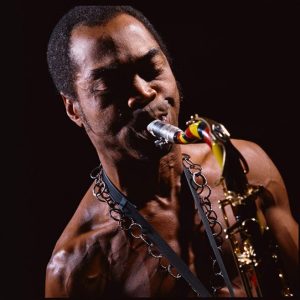
Indeed, Fela’s wardrobe was legendary. His outfits were custom-made, often designed with motifs that reflected his activism and pan-African philosophy. His shoes, all handcrafted, were carefully matched to his numerous stage costumes—symbols of his defiance, creativity, and flamboyant lifestyle. By the time of his death, he was said to own more than 100 pairs of shoes, meticulously arranged in his room.
Yet, in the tense days following his passing, those treasured items were reportedly “jumbled together in a damp location,” victims of panic and misinformation.
A friend of the late musician told P.M. News that Fela’s belongings deserved better treatment, drawing a comparison to Arthur Ashe, the American tennis legend who also died of AIDS complications. Ashe’s racquet and personal effects were later auctioned and now reside in a sports museum in the United States.
“A similar fate is expected of Fela’s saxophone and other personal effects,” the friend said at the time.
The decision to publicly announce that Fela died of AIDS also divided the family. While some members were opposed, Professor Olikoye Ransome-Kuti insisted on transparency, arguing that foreign journalists would eventually demand to know the truth. In fact, in 2015, one of Fela’s widows, Madam Oghenekevwe Anikulapo-Kuti, popularly known in Kalakuta as Kevwe, insisted that her husband did not die of AIDS.
Prof. Ransome-Kuti’s candour, though controversial, highlighted a broader issue: the widespread fear and ignorance surrounding HIV/AIDS in Nigeria during the 1990s. According to health authorities, AIDS cannot be transmitted through mere surface contact, making the family’s panic scientifically unfounded.
But in 1997, public understanding of the disease was shallow, and stigma was intense. Even Fela himself was said to have dismissed the existence of AIDS, reportedly believing it to be a Western conspiracy.
Lagos State Commissioner for Health at the time, Dr. Michael Ogungbesan, seized on the moment to urge Nigerians to exercise caution in their sexual lives and to undergo testing voluntarily. He admitted, however, that there was little the government could do to compel those who had been close to Fela to get tested, emphasizing that enlightenment, not coercion, was the way forward.
“They have their liberty. We cannot now disclaim them. But we appeal to them to go for tests. We cannot force them,” he said.
FURTHER READING
Whether Fela’s children eventually went ahead with the plan to burn his personal effects remains unclear. But the episode stands as a revealing snapshot of the fear, stigma, and misinformation that defined the early years of Nigeria’s confrontation with HIV/AIDS—an era when science struggled to keep pace with myth, and even the boldest voices of resistance were not immune to fear.
Philip Ibitoye is a Special Correspondent with EKO HOT BLOG. Click here to find daily analysis and critical insight on trending issues in Lagos and other parts of Nigeria.
Click here to watch the video of the week below: