- Canada will impose new tariffs on hundreds of American products from September 8
- The measures target industries including steel, dairy, wood, appliances and agricultural equipment
- Ottawa said the tariffs are a proportional response to new US trade measures
Canada is preparing to impose fresh tariffs on a broad range of American products, escalating the trade dispute with the United States after negotiations between the two countries broke down.
Eko Hot Blog gathered that Canadian government said the new measures would serve as a proportionate response to tariffs imposed by US President Donald Trump, describing the action as a targeted effort to protect Canadian industries from what Ottawa considers unfair trade practices.
EDITOR’S PICK
- Tinubu Directs Installation of 3,700 Telecom Towers Across Nigeria
- Alara of Ilara Praises Sanwo-Olu, LASU Staff’s Dedication To Progress
- Burna Boy, Tems Bag Nominations at 2026 MTV VMAs
Canada is preparing to impose fresh tariffs on a broad range of American products, escalating the trade dispute with the United States after negotiations between the two countries broke down.
The Canadian government said the new measures would serve as a proportionate response to tariffs imposed by US President Donald Trump, describing the action as a targeted effort to protect Canadian industries from what Ottawa considers unfair trade practices.
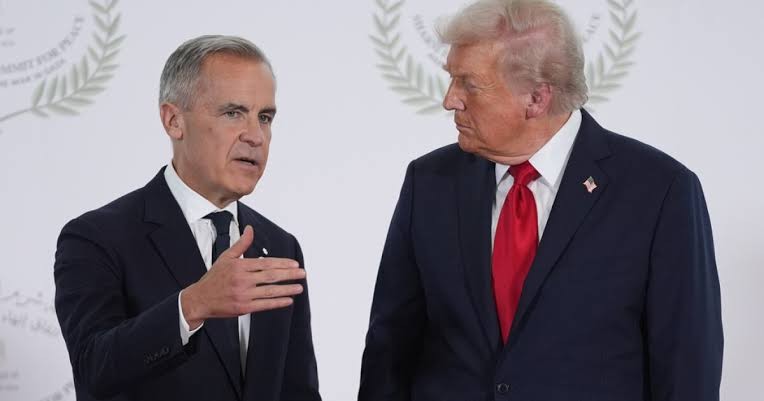
The tariffs, expected to take effect on September 8, will cover more than 700 US-made products with a combined value of about C$27.6bn. Affected sectors include steel, dairy, wood and paper products, appliances, agricultural machinery, cosmetics and outdoor equipment.
Some of the affected goods will face tariffs of 25 or 50 per cent, while selected products, including air-conditioning equipment and certain tool components, will attract a 15 per cent levy. The measures will apply only to goods originating in the United States.
Canadian Prime Minister Mark Carney had earlier pledged to respond on a “dollar-for-dollar” basis after the Trump administration imposed new tariffs affecting Canadian exports.
Finance Minister François-Philippe Champagne defended the decision, saying Canada remained united in protecting its economic interests and would not surrender control over its domestic policies.
Industry Minister Mélanie Joly also encouraged Canadians to support locally produced goods, urging businesses and consumers to make domestic purchases as part of the country’s response to the escalating trade tensions.
To cushion the impact of the latest US tariffs on Canadian businesses, the government announced more than C$7bn in additional support. This comes on top of over C$20bn in assistance already announced over the past 18 months.
The latest measures have further intensified an already strained relationship between the two neighbouring countries and raised concerns about the economic cost of the continuing trade war.
Trump has also continued his public criticism of Canadian officials, particularly Ontario Premier Doug Ford, with whom he has clashed over trade and energy policy.
The US president suggested on Tuesday that he was considering renaming Lake Ontario “Lake America,” echoing his earlier decision to rename the Gulf of Mexico as the Gulf of America.
The suggestion drew attention because Ontario, Canada’s most populous province, takes its name from the lake.
Trump’s dispute with Ford has intensified in recent months, particularly after the Ontario premier threatened measures involving electricity and rare-earth exports to the United States.
Trump subsequently criticised Ford and warned Canadian leaders that failing to comply with his administration’s demands could result in further consequences.
The US president also rejected reports that his trade negotiators had sought changes to Canada’s French-language regulations, saying he would not interfere with Canadians speaking French and accusing the Canadian government of using the issue for political purposes.
The escalating tariff dispute now leaves businesses on both sides of the border facing greater uncertainty as Canada and the United States continue to negotiate their increasingly contentious trade relationship.
FURTHER READING