By Damilola Ademola
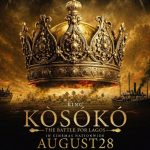
- King Kosoko: The Battle for Lagos lands in film theatres on Friday, August 28.
- The film tells the story of Oba Kosoko, the 12th Oba of Lagos, including his rise and fall.
- It has been billed as a means to tell the younger generation of an obscure part of Lagos history.
Some stories are made simply to entertain. Others are made because there are parts of history that deserve to be remembered.
EKO HOT BLOG reports that King Kosoko: The Battle for Lagos belongs to the latter category.
EDITOR’S PICKS
Premiered at IMAX Cinema, Lekki, on August 23, the Yoruba-language historical drama takes audiences back to 19th-century Lagos, a period when the city was a powerful kingdom experiencing intense political competition, royal succession struggles and increasing pressure from foreign interests.
The film centres on Oba Kosoko, remembered as the 12th Oba of Lagos, and examines the circumstances surrounding his rise, his leadership and the conflicts that challenged his position.
Set between 1833 and 1852, the story is rooted in a period when questions of power and succession were not merely matters of palace politics. They affected the direction of the entire kingdom.
The conflict involving Kosoko, Oba Akintoye and other political forces provides the dramatic foundation of the film, while growing British influence adds another dimension to the story. The narrative therefore goes beyond the image of a king sitting on a throne. It examines what happens when leadership, family interests, political ambition and external pressure collide.
That makes the film particularly relevant to modern audiences.

Many young Nigerians know Lagos as one of Africa’s biggest commercial and entertainment centres. They know its roads, markets, beaches, skyscrapers and nightlife. But the Lagos of today emerged from a much older kingdom with its own political institutions, royal traditions, conflicts and leaders.
King Kosoko attempts to open that historical window.
The decision to tell the story primarily in Yoruba is also significant. Language in historical storytelling is not simply a means of communication; it carries the identity, expressions and worldview of the people whose story is being told. By retaining Yoruba as a central part of the production, the filmmakers have given the story an indigenous voice.
The premiere reflected that cultural importance. The attendance of traditional rulers, high chiefs, members of the Kosoko royal family and cultural figures reinforced the connection between the film and the history it seeks to portray.
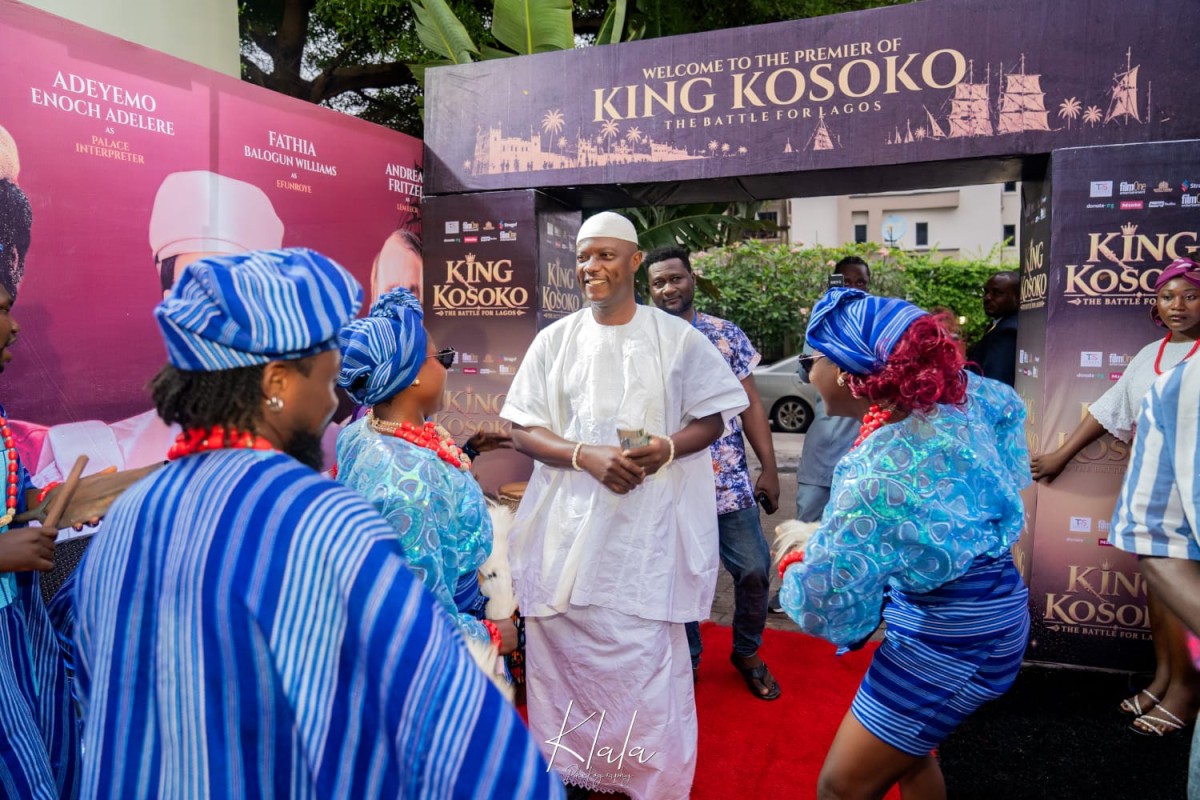
For a younger generation that may encounter the story for the first time through cinema, the production provides an opportunity to ask questions about where Lagos came from, how its traditional institutions developed and how historical decisions shaped the society that exists today.
That is perhaps the biggest value of King Kosoko.
It does not only ask audiences to watch the story of a king. It invites them to look back at a Lagos that existed before the modern city and to understand that behind today’s Lagos is a long history of leadership, struggle, resistance and survival.
FURTHER READING
With the film heading to cinemas nationwide on August 28, its success will ultimately be measured not only by entertainment value, but also by how effectively it connects that history with a new generation.
Click to watch the video of the week below: