- Alogba Calls for Greater Use of Forensic Evidence in Nigerian Courts
- Says Forensic Science Key to Fair Judgments
- Called attention to the importance of strengthening the coroner system to properly investigate suspicious deaths
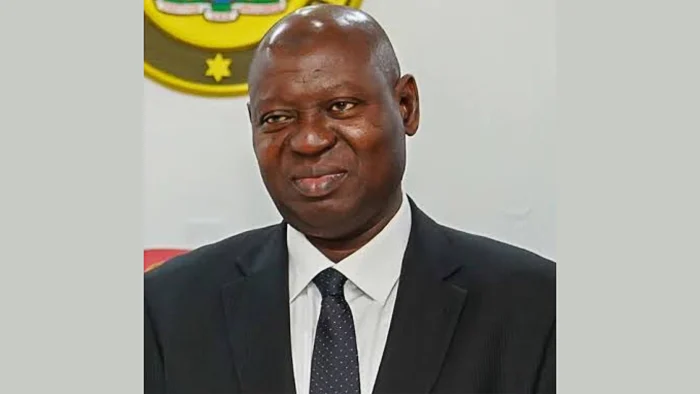
The Chief Judge of Lagos State, Kazeem Alogba, has emphasised the need for Nigeria’s justice system to fully embrace forensic science as part of efforts to improve fairness and efficiency in court proceedings.
Eko Hot Blog reports that he made this known while receiving a delegation from the International Academy of Forensic and representatives of The Guardian at the Ikeja High Court, ahead of a global forensic summit scheduled for June 2026.
EDITOR’S PICK
- Viral Video Sparks Action as Lagos Rescues Neglected Child
- Big Head, Bigger Pressure: Inside Amupitan’s INEC Assignment
- NIMR Crisis: FG Tenure Policy Behind Directors’ Exit, Ongoing Strike
According to Alogba, as science continues to evolve, the legal system must also adapt in order to deliver more accurate and reliable judgments. He noted that judges depend strictly on the evidence presented before them, making credible and scientifically backed evidence essential in determining cases.
The Chief Judge pointed out that forensic science can help close gaps in evidence, especially in complex cases, but expressed concern over the lack of adequate training across the justice sector. He highlighted issues such as poor handling of evidence by investigators and limited expertise in sensitive cases like sexual offences.
He also stressed that Nigeria needs more specialised forensic teams and better-trained personnel, including judges, lawyers, and law enforcement officers, to fully benefit from scientific advancements in criminal investigations.
Beyond the courts, Alogba called attention to the importance of strengthening the coroner system to properly investigate suspicious deaths, noting that it remains underutilised.
Speaking earlier, forensic expert Dr Damilola Fagboro explained that the upcoming summit will bring together professionals from different fields to explore how forensic science especially tools like DNA analysis can improve justice outcomes.
He, however, identified major challenges, including the high cost of forensic testing, limited access to modern laboratories, and insufficient training for professionals in the field.
Overall, the engagement reflects a growing recognition that integrating science into the legal process is essential for building public trust and ensuring that justice is not only done but seen to be done.