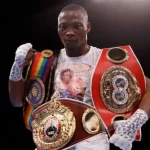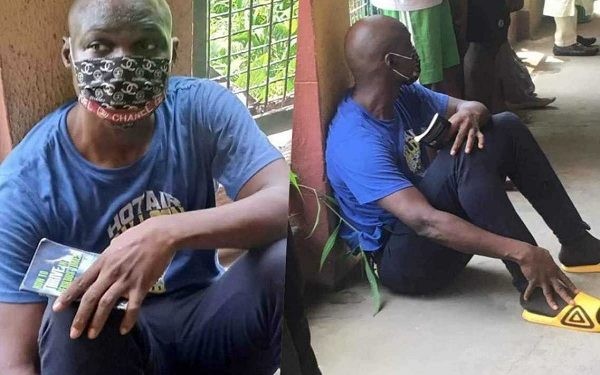
At first glance, the public response felt predictable to me. Social media was divided, emotions ran high, and opinions were loud. But beneath the noise, I see a more complex conversation about justice, accountability, and the limits of public sympathy.
EDITOR’S PICK
- Daddy G.O Arrested Over Alleged Abuse of 16-Year-Old Girl
- Anti-Drug Drive Intensifies as Court Jails Female Convict in Edo
- Fire Destroys Property Worth Millions in Cross River Community
I will be honest, I feel unperturbed, yet not completely detached. I still find myself feeling a level of sympathy for a man who has been to prison. However, that feeling does not erase my deeper concern.
I remain unconvinced that our judicial system is strict enough when it comes to sexual offences. Too often, it feels like the consequences do not match the gravity of the crime, and that gap creates anger in the hearts of many Nigerians, including me.
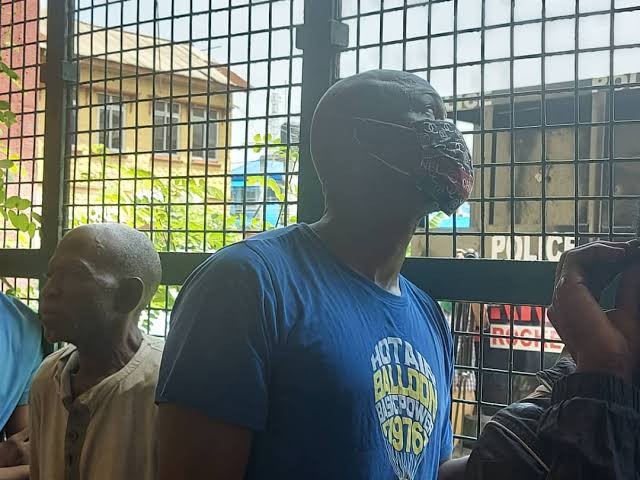
That anger is important to examine. I do not think it always comes from cruelty. I think it comes from frustration and from a perceived failure of the system to deliver justice in a way that satisfies both the law and the moral expectations of society. Still, I remind myself that justice cannot be driven purely by emotion. If it is, we risk creating a system that is just as flawed as the one we criticise.
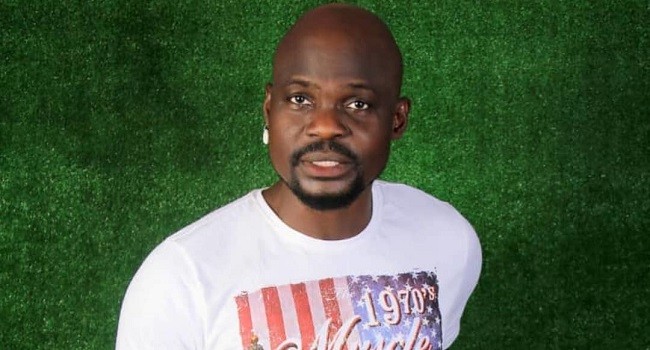
Another layer that stood out to me is the question of voice. I believe Baba Ijesha has the right to speak about himself. He has the right to share his own version of events and to claim innocence, even after a legal process has taken place. But I also understand that the public has the right to question, doubt, and even reject that narrative.
What unsettled me even more was what followed. Biola Adebayo eventually took down the interview. To me, that move speaks volumes. It reflects how strongly Nigerian society frowns at issues around sexual offences and how quickly public pressure can shape decisions. At the same time, I cannot ignore what it suggests about her role. As a journalist it made me question her professional grounding, because a trained journalist is expected to withstand public reaction, not be easily shaken by it.
This also brings me to the difference between journalism and public engagement. An interview is not a courtroom.
It does not carry the weight of legal scrutiny or structured evidence. It is a platform for expression, not judgment. Yet in Nigeria, the line often becomes blurred, and interviews quickly turn into trials in the court of public opinion.
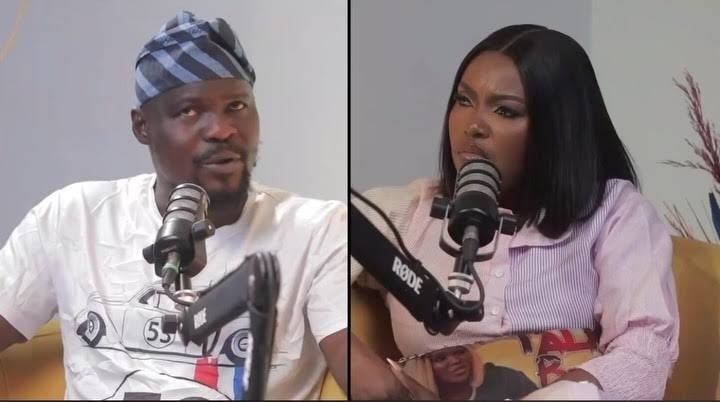
Beyond the interview itself, I find myself thinking about a more practical and difficult question. How does Baba Ijesha reintegrate into Nollywood after everything that has happened?
This is where reality becomes even more complicated. Nollywood is not just an industry of talent, it is an industry of perception, relationships, and public acceptance.
As a public figure, his image is not separate from his work. Producers, directors, and collaborators will have to consider not just his acting ability, but the reaction his presence may trigger.
Starting life again in such a space is not impossible, but it is deeply challenging. I believe this explains, at least in part, why he is actively trying to change the narrative around himself.
It is not only about personal vindication, it is also about survival in a career that depends heavily on public goodwill. If the narrative remains fixed, opportunities may remain limited.
Endorsements are another layer entirely. Brands are extremely sensitive to public perception. They align themselves with individuals who reflect values they want associated with their products.
In a case like this, it is difficult for me to see how major endorsement deals would come easily. Regardless of legal outcomes, public memory and perception tend to linger, and companies are often unwilling to take that kind of reputational risk.
This creates a situation where reintegration is possible in theory but restricted in practice. He may find space in smaller productions, behind the scenes roles, or platforms willing to take that risk, but the mainstream acceptance that once existed may take a long time to return, if it ever does.
The resurfacing of past evidence online only deepens the situation. In today’s digital space, nothing truly disappears. Old materials return, reshape narratives, and reignite emotions. I see how this makes it difficult for any case to ever feel completely settled, even when the legal process has ended.
So I ask myself, where does this leave us as a society?
I think the real issue goes beyond one interview or one individual. It is about how we understand justice. Do we truly believe in rehabilitation after punishment, or do we see certain offences as ones that should permanently define a person? Can society ever move on, or do we hold on indefinitely?
These are uncomfortable questions, but they are necessary ones.
For me, this moment highlights a clear gap between legal outcomes and public expectations, between punishment and healing, and between rights and responsibility. Until we address that gap, I believe we will continue to see the same cycle of outrage, sympathy, and division play out again and again.
In the end, the interview may be gone, but the conversation it sparked is far from over. And perhaps that is where my focus remains, not just on the individuals involved, but on what this reveals about us as a people.