- The identity of the astronaut selected for the extended mission will be announced later based on mission progress
- The launch comes as competition between China and the United States over lunar exploration intensifies
- China has carried out nearly a dozen astronaut missions to Tiangong since 2021
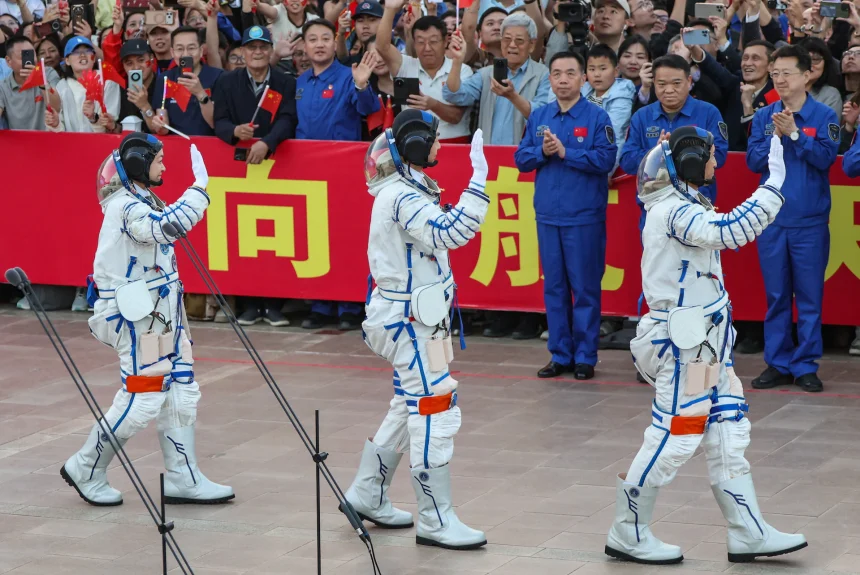
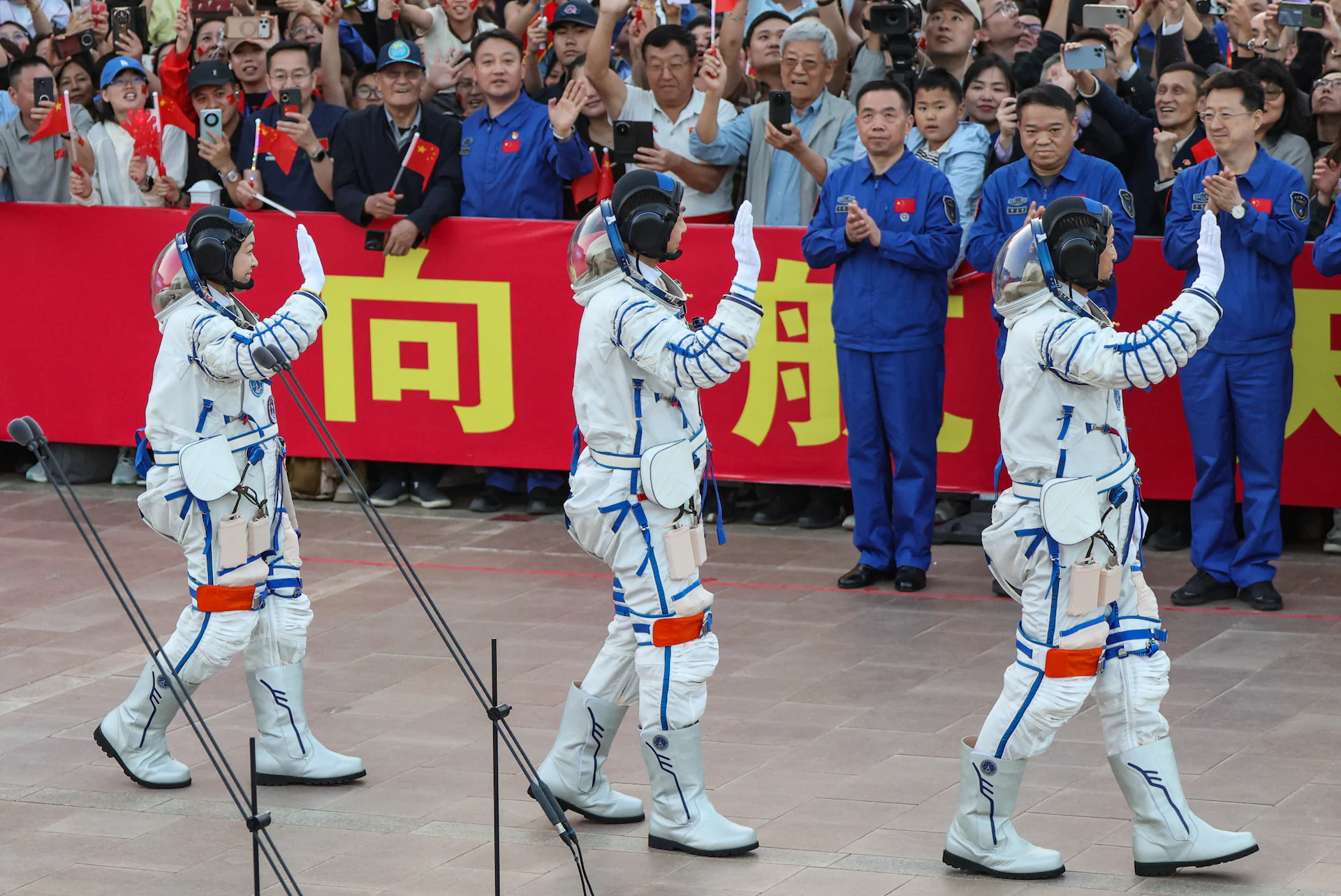
China has launched its latest crewed mission to the Tiangong space station, sending three astronauts into orbit as the country intensifies preparations for its planned crewed moon landing by 2030.
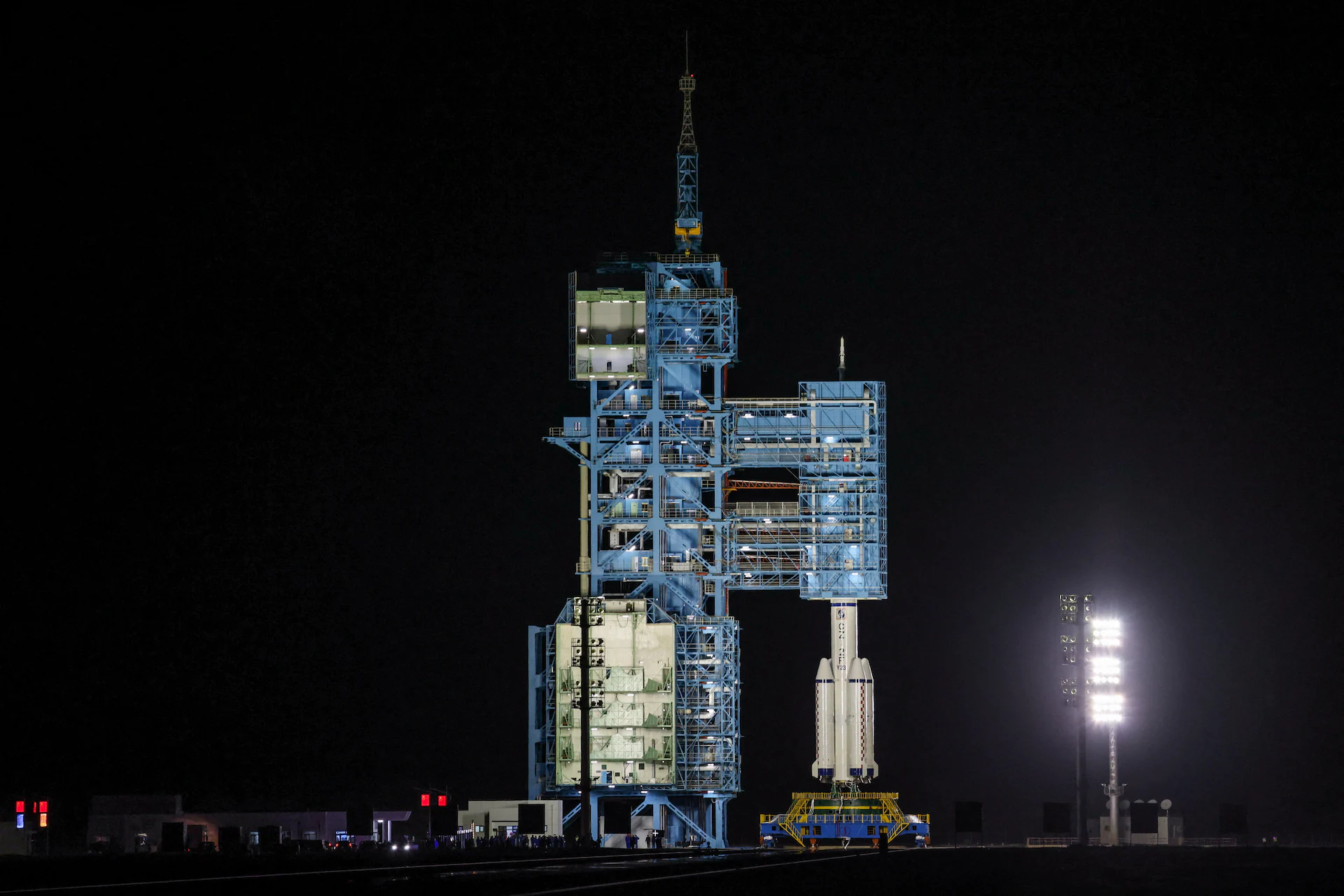
The Shenzhou-23 mission lifted off on Sunday from the Jiuquan Satellite Launch Center in northwestern China aboard a Long March-2F Y23 rocket.
Eko Hot Blog gathered that the mission includes commander Zhu Yangzhu, pilot Zhang Yuanzhi and payload specialist Li Jiaying, who became the first astronaut from Hong Kong to participate in a Chinese space mission.
EDITOR’S PICK
- Gov. Alex Otti Says Slashed State Debt by 60%, Completes 414 Roads In Few Years
- Nwoko Rejects APC Delta North Primary Result, Claims Victory Over Okowa
- Lagos Expands Infrastructure at Agbowa Timberville Project in Epe
Chinese authorities said one member of the crew will remain aboard Tiangong for a full year, the longest stay ever for a Chinese astronaut.
The identity of the astronaut selected for the extended mission will be announced later based on mission progress.
The year-long stay is expected to help scientists study the effects of prolonged space travel, including radiation exposure, bone density changes and psychological stress, as China expands research into long-duration human presence in space.
The launch comes as competition between China and the United States over lunar exploration intensifies.
China is targeting a crewed moon landing before 2030, while the United States, through NASA, aims to return astronauts to the moon in 2028 under the Artemis programme.
China has carried out nearly a dozen astronaut missions to Tiangong since 2021, with previous crews typically spending six months in orbit.
The country is also developing new technology for lunar exploration, including the Long March-10 rocket, the Mengzhou spacecraft and the Lanyue lunar lander.
Officials said the Shenzhou-23 mission will carry out the first autonomous rapid rendezvous and docking exercise with Tiangong’s core module, a procedure expected to support future lunar operations.
China has also outlined plans to establish a permanent lunar research base with Russia by 2035.
In recent years, China’s space programme has recorded several milestones, including becoming the first country to retrieve samples from the far side of the moon through robotic missions in 2024.