- the reforms introduced since 2023 have strengthened economic management
- He stated that states and local governments now have access to more resources for critical sectors such as infrastructure
- He added that his administration had taken steps to reform the electricity sector through the implementation of the Electricity Act
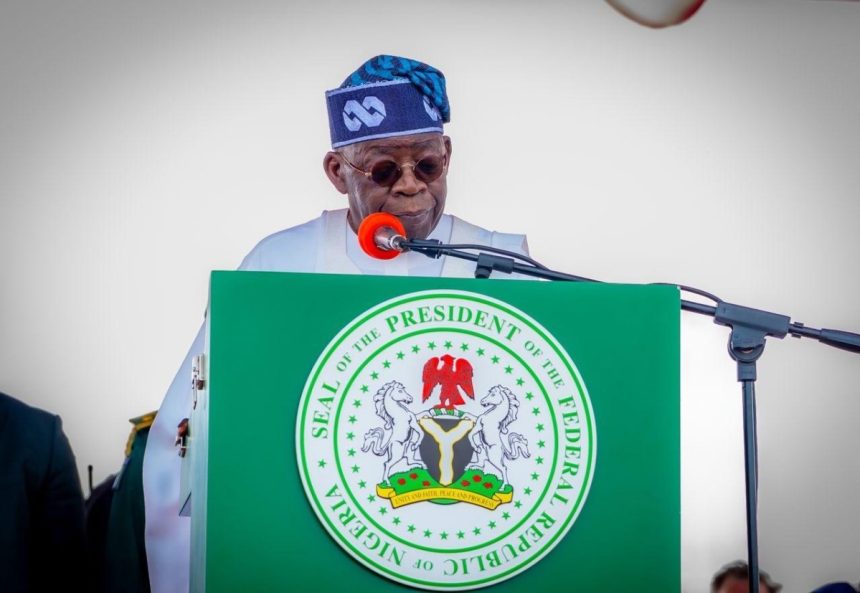
President Bola Tinubu has declared that Nigeria is gradually overcoming economic uncertainty and laying the foundation for long-term stability, insisting that recent reforms are beginning to yield positive results across key sectors of the economy.
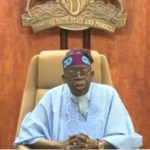
Speaking during his Democracy Day address today, Eko Hot Blog reports that the President said his administration inherited significant economic challenges but took difficult decisions aimed at restoring confidence, improving public finances, and creating a more sustainable economic future.
EDITOR’S PICK
- Akpabio Dismisses Reports of Promising APC Tickets to Defeated Senators
- Court Discharges Baba Adinni of Lagos, Upholds No-Case Submission
- “Verify Information Before Spreading It” — Alara Warns on Security
According to Tinubu, the reforms introduced since 2023 have strengthened economic management, increased government revenues, and improved transparency in the use of public funds.
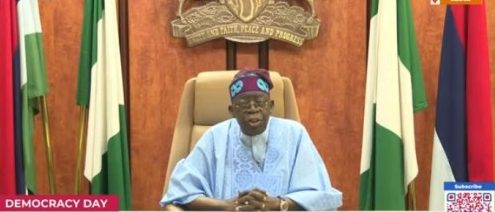
He stated that states and local governments now have access to more resources for critical sectors such as infrastructure, healthcare, education, and security, while efforts to curb leakages have enhanced fiscal accountability.
The President also noted that investor confidence had improved, leading to increased investments in agriculture, energy, manufacturing, technology, mining, transportation, and the creative industry.
Highlighting developments in the energy sector, Tinubu said domestic refining capacity had expanded, helping to improve energy security and reduce dependence on imported petroleum products.
He added that his administration had taken steps to reform the electricity sector through the implementation of the Electricity Act, which empowers states to generate, transmit, and distribute power independently.
The President explained that measures were also being implemented to address long-standing challenges in the sector, including metering deficits, legacy debts, and inadequate power infrastructure.
While acknowledging the economic hardship still facing many Nigerians, Tinubu said the government remained focused on reducing inflation, boosting food production, creating jobs, and improving living standards.
“We are moving from uncertainty to stability. The next phase is about accelerating growth and ensuring the benefits are felt in every home, every community, and every region,” he said.
Tinubu stressed that democracy must translate into tangible improvements in the lives of citizens, adding that the administration’s economic agenda is designed to ensure that prosperity reaches ordinary Nigerians.
The President further highlighted ongoing infrastructure projects, support for small businesses, and initiatives aimed at expanding agricultural productivity and non-oil exports as part of efforts to drive economic growth.
He urged Nigerians to remain hopeful and united, expressing confidence that the country’s current reforms would pave the way for greater prosperity and national development.
FURTHER READING