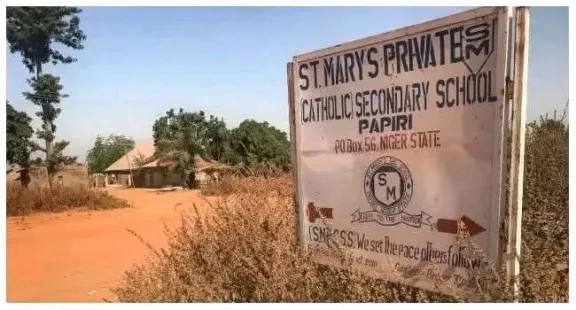
When 230 pupils and staff of St Mary’s Catholic School in Papiri, Niger State, returned home on December 22, 2025, Nigerian officials framed it as a victory — the result of what Presidential spokesman Bayo Onanuga called a “military-intelligence driven operation.”
But multiple intelligence sources have since told AFP a different story: that the federal government paid a ransom of up to N2 billion to Boko Haram terrorists to secure their release. If true, it is not just an embarrassing admission. Under Nigerian law, it is a crime. And by any counterterrorism standard, it means the government funded the very group it claims to be fighting.
EDITOR’S PICKS
EKO HOT BLOG explains the stakes of the revelation.
What the Government Said and What Sources Say Happened
The mass abduction occurred on November 21, 2025. Nearly 300 people were taken; about 50 escaped during the chaos. The remaining victims were held for over a month before their return, which officials publicly celebrated as a rescue.
Behind the scenes, however, National Security Adviser Nuhu Ribadu was said to be leading negotiations with the kidnappers. Four intelligence sources familiar with the talks told AFP the government paid a “huge” ransom.
One source put the figure at N40 million per head — roughly $7 million in total — while another estimated a lump sum of N2 billion. Sources say the money was flown by helicopter to Boko Haram’s stronghold in Gwoza, northeastern Borno State, and delivered to Ali Ngulde, a militant commander in the area.
The NSA’s office did not respond to AFP’s questions. The State Security Service (SSS) gave a one-line rebuttal: the government does not pay ransoms.
Paying Ransoms Is Illegal and the Government Knows It
This is not a minor detail. In April 2022, Nigeria amended its Terrorism (Prevention) Act to make paying ransoms to terrorists a criminal offence, carrying a minimum prison sentence of 15 years. The law was designed precisely to break the incentive cycle, to ensure that kidnapping did not become a reliable revenue stream for armed groups.
If the federal government did pay, it violated its own law. And the implications go further than legality. Counterterrorism experts have long warned that ransom payments directly finance terrorist operations — covering logistics, weapons, recruitment, and the planning of future attacks. Money paid today for the release of schoolchildren can fund the abduction of more tomorrow.
It is worth noting that the Boko Haram commander suspected of orchestrating the St Mary’s kidnapping — known as Sadiku — is also believed to have led the 2022 gun and bomb attack on an Abuja-Kaduna train, which itself generated hefty ransom payments from kidnapped passengers including bankers and government officials. This is not a group that is deterred by negotiation. It is a group that has learned that kidnapping pays.
The Dangerous Precedent Being Set
Nigeria has been here before. The 2014 Chibok abduction — in which over 270 schoolgirls were taken by Boko Haram — was followed by quiet negotiations and, according to credible reports, undisclosed payments and prisoner exchanges for some of the girls who were freed. The government denied those payments too. The pattern is familiar: a dramatic abduction, weeks of silence, a celebrated “rescue,” and denials that unravel under scrutiny.
What makes the St Mary’s case more alarming is the scale and the timing. With almost 300 victims taken in a single operation, the attack signals an emboldened group — one that has refined its kidnap-for-ransom model over a decade and clearly believes the Nigerian state will pay. Sources also say the government agreed to release Boko Haram commanders as part of the deal, a concession that, if confirmed, would represent a significant victory for the militants beyond the financial.
The events that followed suggest the approach has done nothing to deter further violence. On January 18, 2026 — less than four weeks after the St Mary’s pupils came home — over 160 worshippers were abducted when heavily armed bandits raided churches during morning services in Kaduna State.
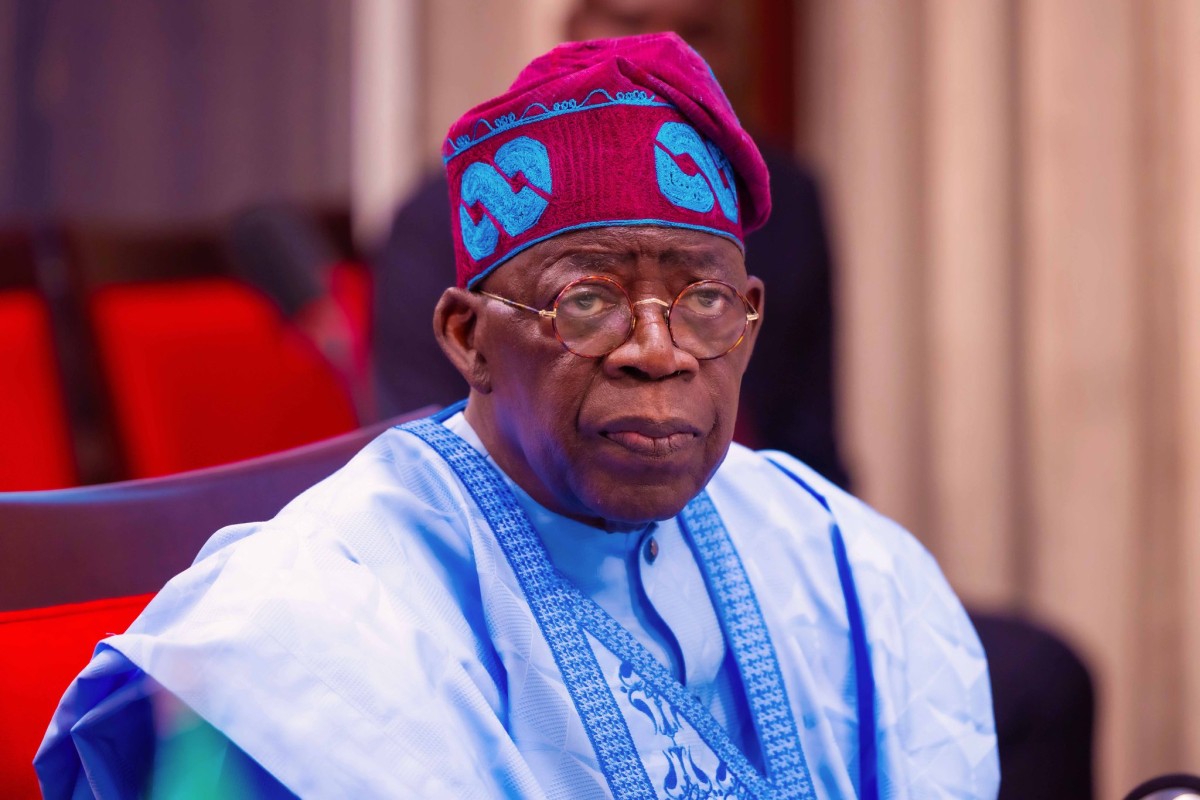
Then, on February 3, hundreds of militants attacked the villages of Woro and Nuku in Kwara State, killing at least 162 residents and kidnapping many others with President Tinubu himself blaming Boko Haram.
A video later released by the terrorists showed 176 women and children in captivity, with the militants openly accusing the Kwara State government of lying about the scale of the abductions. As recently as this week, bandits struck again in Kwara’s Gbugbu community, killing one person and abducting others, prompting local authorities to impose a daily curfew.
The government’s instinct to bring the children home is understandable, even if its methods are disputed. No parent, and no official, wants to watch children remain in captivity while negotiations stall. But the refusal to be transparent about what was agreed — and the active use of misleading framing about “military-intelligence operations” — prevents any public accountability. It also forecloses any honest national conversation about whether Nigeria’s approach to kidnap-for-ransom is working, or whether it is quietly making things worse.
FURTHER READING
For now, Boko Haram has every reason to believe the next mass abduction will also be profitable. And the Nigerian government, through its silence, has done little to suggest otherwise.
Philip Ibitoye is a Special Correspondent with EKO HOT BLOG. Click here to find daily analysis and critical insight on trending issues in Lagos and other parts of Nigeria.
Click to watch the video of the week below: