- He added that the relationship became even more confusing in school, as Fela offered an unexpected reaction to failure
- Femi recalled that he grew up learning by observing his father’s routine and responses
- the Grammy-nominated musician explained that his father never directly taught him basic skills
Afrobeat icon, Femi Kuti, has offered fresh insight into the unusual father-son dynamic he shared with his legendary father, Fela Anikulapo Kuti, saying the pioneer musician raised him with expectations rather than instruction.
Eko Hot Blog reports that Femi made the revelation during a Book Chat held at the Ake Arts and Books Festival in Lagos, where conversations centred on the memoir of Fela’s late wife, Remilekun Kuti, titled Mrs Kuti.
EDITOR’S PICK
- Davido Reacts as Gov Adeleke Quits PDP
- Modrasah Rahmah Holds First Wolimot Qur’an Ceremony in Yaba
- Tunji Alausa Flags Off E-Tricycle Scheme for UNILAG Students
Speaking at the event, the Grammy-nominated musician explained that his father never directly taught him basic skills, including reading, yet assumed he should naturally understand everything.
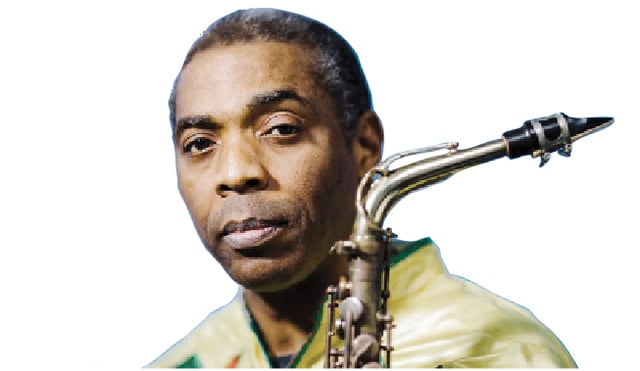
According to him, Fela believed those close to him had no excuse to fall short, often demanding excellence without providing guidance.
Femi recalled that he grew up learning by observing his father’s routine and responses, including how he handled frequent raids, military pressure, and confrontations that characterised life in Kalakuta.
He noted that the experience shaped his understanding of resilience and fearlessness as a young boy constantly exposed to turmoil.
He added that the relationship became even more confusing in school, as Fela offered an unexpected reaction to failure. Instead of reprimands, Fela congratulated him whenever he performed poorly, leaving him unsure of what his father truly expected.
Made Kuti, who appeared on the panel with his father, backed the account, adding that Femi’s upbringing was far from conventional.
He explained that Fela’s belief in a communal household meant even his children addressed him by name rather than calling him “father,” reinforcing the unusual nature of their bond.
FURTHER READING