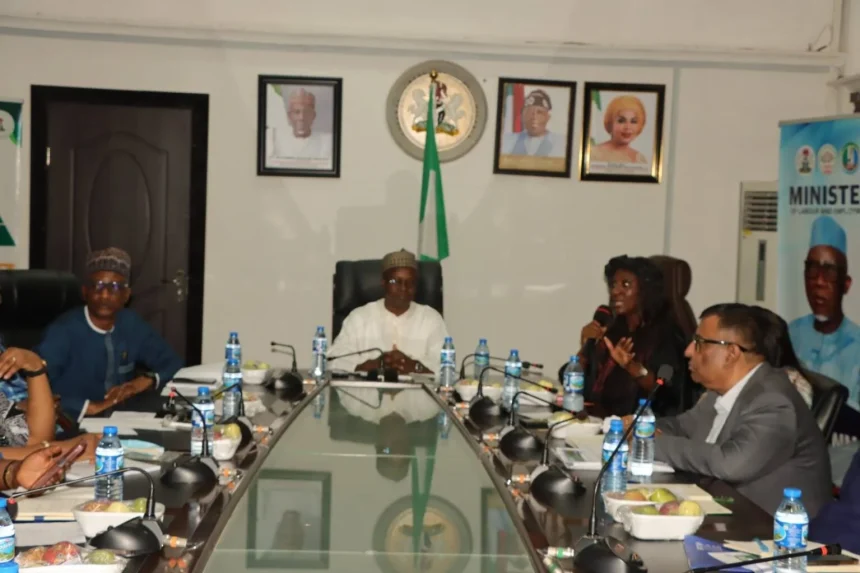
- According to Usman, the partnership between Nigeria and the organisation has supported efforts to improve workplace safety
- He noted that although coordination meetings had not been held for some time due to administrative issues
- Usman also highlighted several challenges affecting Nigeria’s labour sector, including increasing youth unemployment
The Federal Ministry of Labour and Employment and the International Labour Organization (ILO) have renewed their commitment to strengthening cooperation aimed at promoting decent work, social justice, and stronger labour administration in Nigeria.
Eko Hot Blog gathered that the development was disclosed by the Permanent Secretary of the ministry, Salihu Usman, during a coordination meeting held between the ministry and the ILO in Abuja.
EDITOR’S PICK
- “Pay Her Transport Fare Too”, Pete Edochie Stirs Debate on Dating Expenses
- Epe Students Parliament Declares Executive Seats Vacant Over Inauguration Dispute
- Osimhen Warns Galatasaray Ahead of Liverpool Match
In a statement released on Sunday by the ministry’s Head of Press and Public Relations, Annah Daniel, Usman said the long-standing collaboration with the ILO has played a significant role in advancing labour reforms in the country.
The ILO, a specialised agency of the United Nations established in 1919, focuses on promoting social justice, protecting workers’ rights, and improving labour standards across the world.
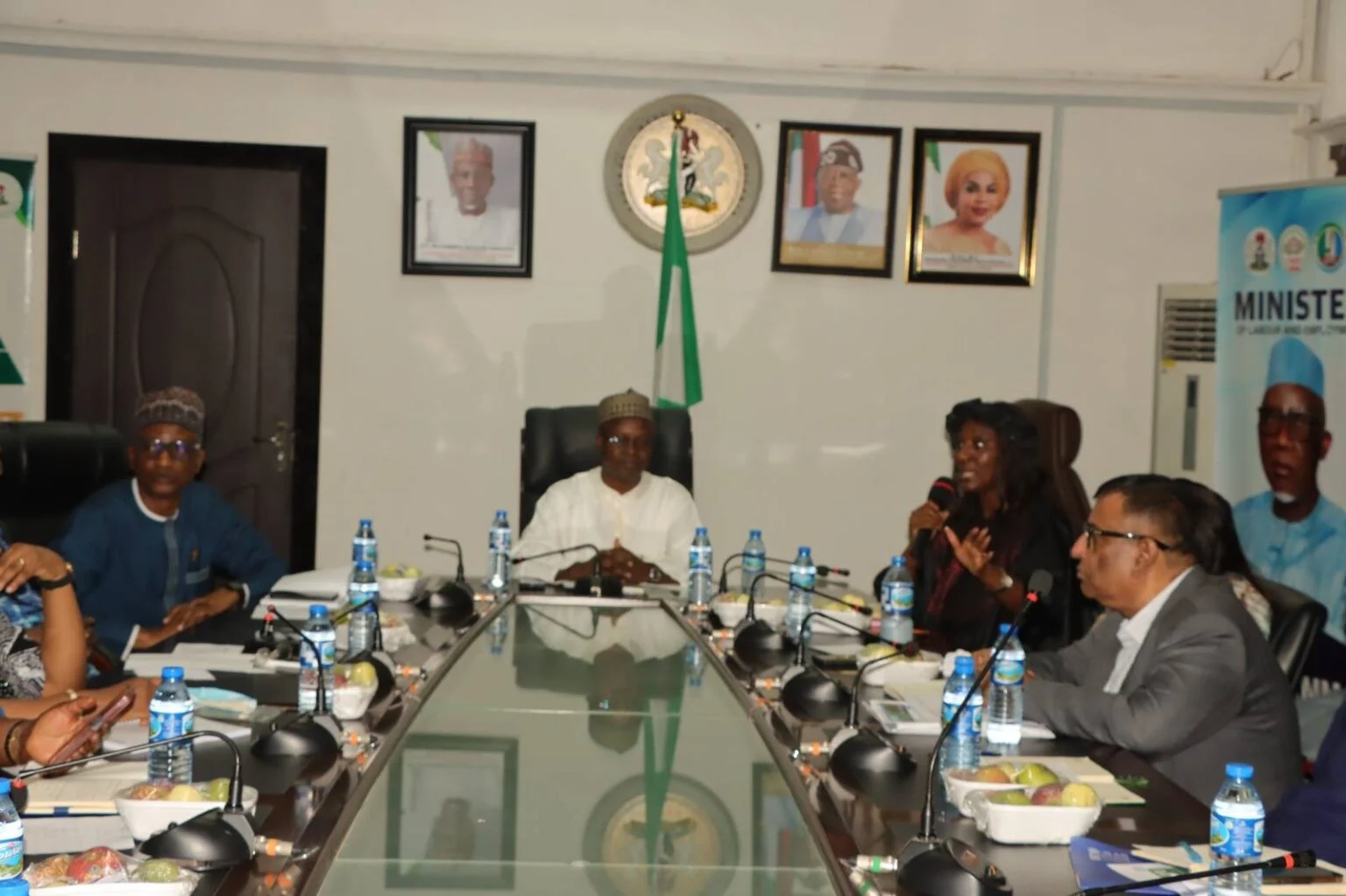
According to Usman, the partnership between Nigeria and the organisation has supported efforts to improve workplace safety, encourage social dialogue among stakeholders, strengthen labour institutions, and ensure the implementation of international labour standards.
He noted that although coordination meetings had not been held for some time due to administrative issues, the ministry has revived the initiative because of its importance in guiding labour sector reforms.
Usman also highlighted several challenges affecting Nigeria’s labour sector, including increasing youth unemployment, shortages of skilled workers, the rapid expansion of the informal economy, labour migration issues, workplace safety concerns, weak social protection systems, and the persistence of child labour.
He stressed that tackling these problems requires stronger institutions, clear policy direction, and continued technical cooperation with international development partners such as the ILO.
The permanent secretary explained that the coordination sessions would help departments within the ministry align their programmes with the ILO’s country priorities, improve information sharing, and reduce duplication of efforts.
The meetings will also enable stakeholders to design clear action plans with defined responsibilities and timelines.
In her remarks, the ILO Country Director, Vanessa Phala, reaffirmed the organisation’s readiness to deepen its collaboration with the ministry.
She said the partnership would focus on aligning policies that promote decent work, uphold international labour standards, and support sustainable job creation in line with the priorities of the Nigerian government under Bola Ahmed Tinubu’s administration.
Phala added that the forum provides an opportunity for both parties to ensure their programmes remain aligned and effectively implemented.
She also stated that the ILO would continue to provide technical assistance and capacity-building initiatives to help Nigeria respond to emerging labour challenges and safeguard vulnerable workers.
The meeting further served as a platform for broader engagement among key stakeholders, including government agencies, workers’ unions, employers’ associations, and other partners involved in labour sector reforms.
FURTHER READING