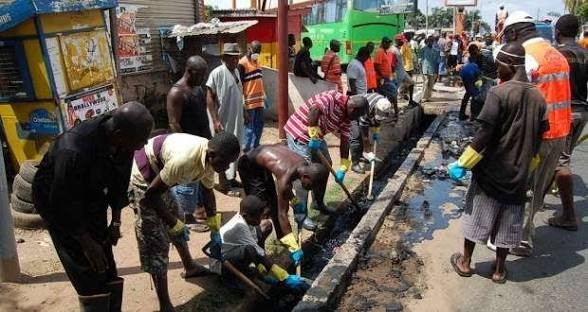
Many see it as a necessary step to restore discipline in a city where waste management has become increasingly challenging. Others view it as a nostalgic reminder of a routine that shaped Lagos’ urban landscape years ago.
EDITOR’S PICK
- Ogun Begins Crackdown on Illegal Parks at Sango Border Over Rising Accidents
- Police Nab 30-Year-Old ‘Super M’ During Stop-and-Search in Lagos
- LASG Launches Investigation Into Cosmetic Surgery Death
The announcement makes it clear that the sanitation exercise will now take place every last Saturday of the month from 6:30 a.m. to 8:30 a.m., giving residents a fixed schedule to participate and plan around.
Historically, environmental sanitation was a culture, not just a government policy. Residents stayed home on designated days to sweep streets, clear drains, trim overgrown grasses, and ensure proper waste disposal.
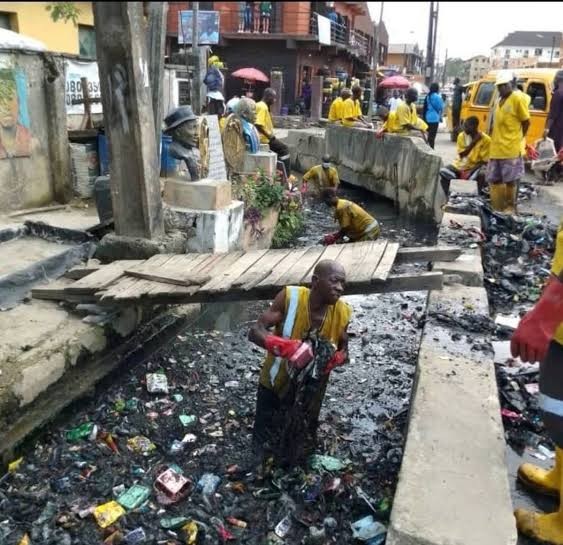
Landlords, traders, and community members often coordinated to make neighbourhoods presentable.
Over time, this practice faded, leaving the city with increased waste accumulation, blocked drains, and deteriorating public spaces.
Bringing back the exercise after a 10-year hiatus aims to rekindle that sense of community responsibility, especially as urban growth continues to strain the city’s infrastructure.
Supporters believe the exercise can significantly boost awareness about personal and collective responsibility.
When residents actively clean their surroundings, they become more conscious of habits like dumping plastic waste or ignoring clogged gutters, which contribute to environmental degradation.
Environmental sanitation, therefore, is not only about aesthetics, it is a proactive step to ensure residents take ownership of their surroundings. Communities that participate collectively often experience a stronger sense of cohesion and accountability.
Health considerations are also critical. Accumulated waste can become breeding grounds for mosquitoes, rodents, and other disease carriers, particularly in a tropical city like Lagos where humidity accelerates decomposition.
Regular sanitation reduces these risks and improves living conditions, especially in densely populated areas that are more prone to environmental health hazards.
However, the policy is not without challenges. Some residents worry about disruptions to their daily routines, especially traders, artisans, and transport workers who rely on early morning activity for income.
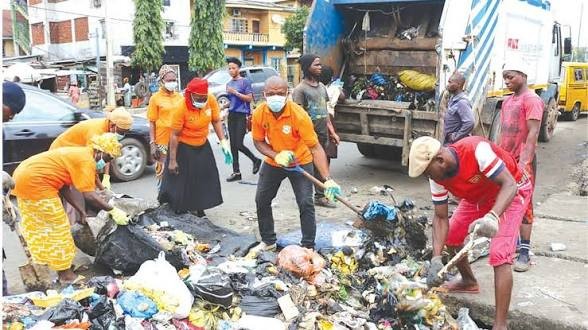
Restricting movement during the sanitation hours could have economic implications for those whose livelihood depends on uninterrupted business operations.
Enforcement is another concern, as past exercises sometimes led to conflicts between residents and officials.
Many hope that authorities will prioritise education and cooperation over penalties to encourage genuine participation.
Public attitudes toward the return of sanitation are mixed. Older residents who experienced the earlier sanitation culture often welcome its comeback, noting how cleaner neighbourhoods contributed to better living standards.
Younger residents, on the other hand, argue that improving waste collection, recycling programs, and drainage infrastructure should be a priority alongside the sanitation exercise.
Despite the generational divide, most residents agree that something must be done to address waste and blocked drains in Lagos.
Flooding remains one of the most visible reasons the sanitation exercise is necessary. Every rainy season, clogged drains result in flooded streets, stalled vehicles, and disrupted businesses.
In some areas, water even enters homes and shops, causing property damage. By clearing gutters and drains during the sanitation exercise, rainwater can flow more freely, reducing the severity of flooding.
While sanitation alone cannot eliminate all flooding, it can play a significant mitigating role when combined with proper waste disposal practices and improved drainage infrastructure.
The structured approach holding the exercise on the last Saturday of every month from 6:30 a.m. to 8:30 a.m. as announced by Governor Babajide Olusola Sanwo-Olu gives residents clarity and allows communities to plan for consistent participation.
Many believe the policy will be more effective if it is paired with improved municipal services, including regular waste collection, maintenance of drainage channels, and public education campaigns.
Visible government commitment can encourage voluntary compliance and foster a culture where environmental responsibility is shared by all.
Ultimately, the return of environmental sanitation after 10 years is a reminder that Lagos cannot rely solely on government agencies to maintain cleanliness.
A cleaner city requires cooperation, discipline, and proactive participation from residents.
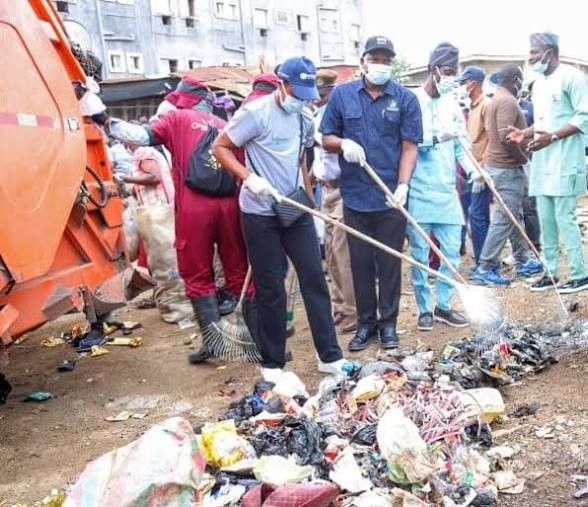
If embraced fully, the monthly exercise could significantly reduce health risks, alleviate flooding during the rainy season, and gradually restore the sense of order and civic pride that was once a hallmark of the city.
FURTHER READING
- Soldiers Recover Weapons After Repelling Attack in Ngoshe
- Nigeria Now in Stronger Position to Navigate Global Crisis – Olayemi Cardoso
- Tinubu Seeks Deeper Nigeria–UNDP Collaboration on Development Goals
Click here to watch video of the week