- He noted that the situation has significantly weakened the party’s cohesion and effectiveness as an opposition force
- However, he said those efforts did not yield meaningful results, leaving the party increasingly fragmented
- Hashim said he intends to collaborate with like-minded Nigerians to promote democratic values
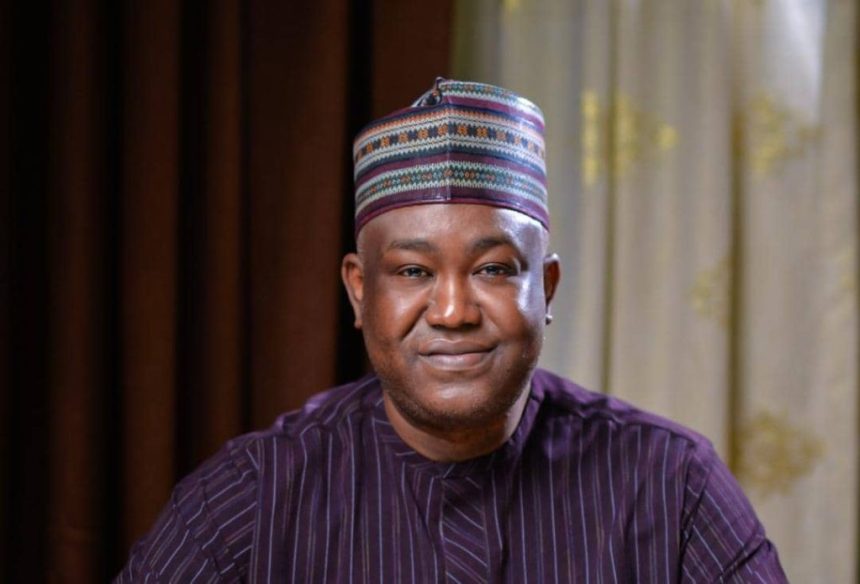
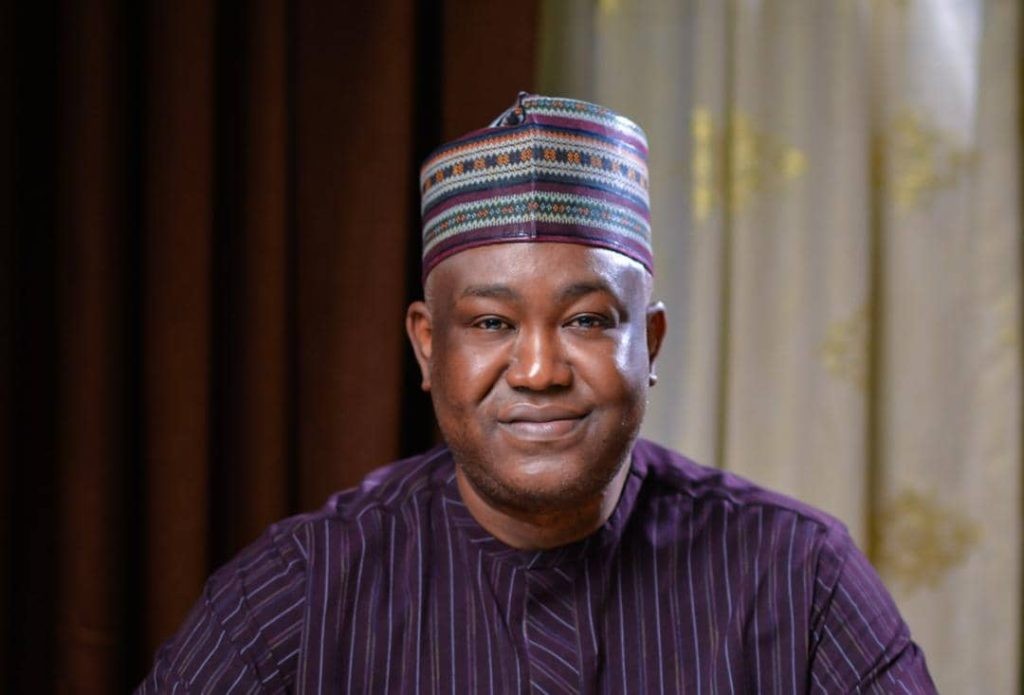
A former presidential aspirant of the Peoples Democratic Party, Gbenga Hashim, has formally exited the party, citing prolonged internal conflicts and failed efforts to restore unity.
In a resignation letter dated April 4, 2026, and addressed to his ward chairman in Bwari Area Council of the Federal Capital Territory, Hashim said his decision takes immediate effect, Eko Hot Blog gathered.
EDITOR’S PICK
- Easter Celebration: Sanwo-Olu Encourages Love, Sacrifice, Coexistence
- Enough Is Enough Defend Yourselves’ – CAN Urges Northern Christians
- NLC Orders Street Protests Over Minimum Wage
The former Deputy National Publicity Secretary stated that the party has been grappling with deep-rooted divisions for over a year, leading to the emergence of rival factions.
He noted that the situation has significantly weakened the party’s cohesion and effectiveness as an opposition force.
Hashim explained that he had, alongside other stakeholders, made several attempts to reconcile aggrieved members and mend the fractures within the party.
However, he said those efforts did not yield meaningful results, leaving the party increasingly fragmented.
He further alleged that the lingering crisis may not be entirely organic, suggesting that some elements could be working to diminish the party’s strength ahead of the 2027 general elections.
According to him, the internal instability risks limiting the party’s ability to present strong candidates or function as a credible alternative in national politics.
Hashim also cited personal convictions for his decision, stating that he could not continue to be part of a system that, in his view, undermines democratic principles.
Beyond party politics, he expressed concern over Nigeria’s broader challenges, including insecurity, economic hardship, and loss of lives, noting that remaining in the current arrangement would contradict his values.
He described the party’s current state as a shadow of its former self, attributing its decline to internal disputes and competing personal interests.
Looking ahead, Hashim said he intends to collaborate with like-minded Nigerians to promote democratic values, prevent the country from sliding into a one-party system, and contribute to building a more stable and prosperous political future.
FURTHER READING