- The resolution described the transatlantic slave trade as one of the most serious crimes against humanity
- The party has also proposed a significant reduction in foreign aid
- Opposition leader Keir Starmer has similarly ruled out both an apology and financial compensation
The UK could impose stricter visa rules on several African and Caribbean countries, including Nigeria and Jamaica, if Reform UK comes to power in the next general election.
Eko Hot Blog reports that the proposed policy is aimed at nations that have officially called for reparations over slavery, a demand that has gained momentum in recent years.
EDITOR’S PICK
- Easter Celebration: Sanwo-Olu Encourages Love, Sacrifice, Coexistence
- Enough Is Enough Defend Yourselves’ – CAN Urges Northern Christians
- NLC Orders Street Protests Over Minimum Wage
According to the party’s Home Affairs spokesman, Zia Yusuf, countries pushing for compensation are overlooking Britain’s historical role in abolishing the slave trade.
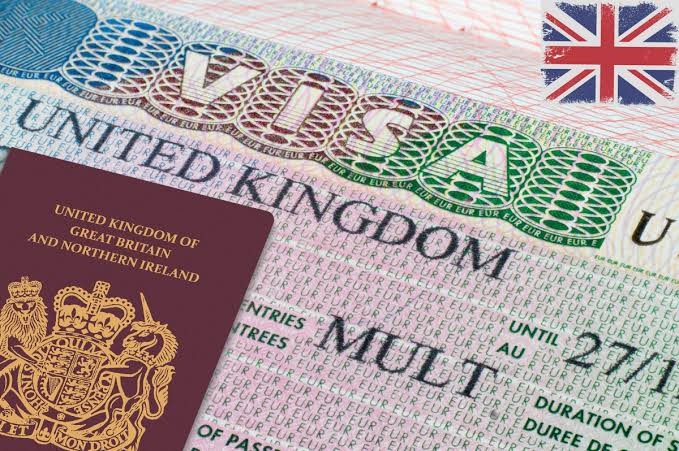
He also pointed to the number of visas issued and financial aid provided to such nations over the past two decades as reasons for the proposed restrictions.
In addition to Nigeria and Jamaica, other countries mentioned include Kenya, Haiti, Guyana, Barbados, and The Bahamas, raising concerns that their citizens could face tougher entry requirements.
The development follows a recent resolution by the United Nations urging former colonial powers to address the legacy of slavery through reparations.
The resolution described the transatlantic slave trade as one of the most serious crimes against humanity, although the UK chose to abstain from the vote.
Leader of Reform UK, Nigel Farage, dismissed the calls for compensation, arguing that international bodies should not dictate such decisions to Britain.
The party has also proposed a significant reduction in foreign aid, suggesting a sharp cut from current spending levels.
Meanwhile, the UK government has maintained its stance, acknowledging the historical impact of slavery but rejecting calls for reparations.
Opposition leader Keir Starmer has similarly ruled out both an apology and financial compensation, stating a preference to focus on future development rather than past injustices.
The push for reparations has continued to gain traction globally, with countries like Ghana and regional blocs such as the Caribbean Community advocating for justice, restitution, and formal recognition of the lasting impact of slavery.
Supporters argue that the legacy of the transatlantic slave trade continues to affect economic and social conditions in affected regions, while critics remain divided over how, or whether, such reparations should be addressed.
FURTHER READING