- How Tinubu’s Naira-for-Crude Initiative Strengthened Nigeria’s Energy Security
- The disruption has triggered a sharp increase in the prices of petroleum products such as LPG, LNG, petrol, and diesel across continents
- Experts note that the situation highlights the strategic importance of local refining capacity, especially for a major oil-producing nation like Nigeria
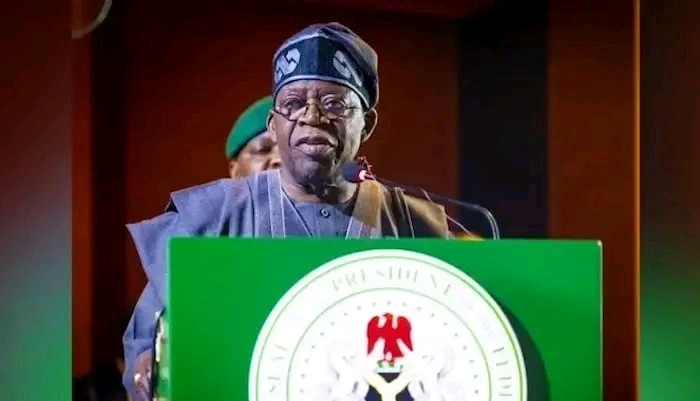
President Bola Ahmed Tinubu’s decision in July 2024 to approve the use of the naira for crude oil transactions with the Nigerian National Petroleum Company and the Dangote Refinery is increasingly being seen as a strategic move that has helped Nigeria weather the ongoing global energy crisis.
Eko Hot Blog gathered that the naira-for-crude initiative, which officially commenced on October 1, 2024, has provided a framework for stabilising the domestic petroleum supply chain at a time when global markets are under severe strain due to the escalating conflict involving Iran, Israel, and the United States.
EDITOR’S PICK
- Drama as Expectant Mother Delivers Twin Boys in Bush in Benue
- Nigeria Can Overcome Its Challenges – Obasa
- Tinubu Approves ₦3.3 Trillion Plan to Clear Power Sector Debts
A technical committee overseeing the policy, comprising key government officials including the Minister of Finance, Wale Edun, and the Executive Chairman of the Nigerian Revenue Service, Zacch Adedeji, has driven its implementation, ensuring that supply security is maintained while safeguarding Nigeria’s energy future.
The global energy landscape has been significantly disrupted by the ongoing conflict, now in its sixth week, particularly following Iran’s closure of the Strait of Hormuz, a critical maritime route responsible for over 20 per cent of global oil and gas flows.
The disruption has triggered a sharp increase in the prices of petroleum products such as LPG, LNG, petrol, and diesel across continents, placing immense pressure on economies worldwide.
Several countries have adopted emergency measures to cope with the crisis, including energy rationing, reduced working hours, and temporary shutdowns of businesses and institutions.
In contrast, Nigeria has largely avoided fuel scarcity, despite experiencing price increases similar to global trends. Observers attribute this stability to the operational capacity of the Dangote Refinery, located in Lekki, Lagos, which has significantly reduced the country’s dependence on imported refined petroleum products.
The refinery’s output has not only met domestic demand but also positioned Nigeria as a supplier to other countries, including those in Africa and beyond, at a time when global supply chains are under pressure.
Experts note that the situation highlights the strategic importance of local refining capacity, especially for a major oil-producing nation like Nigeria. While many countries are grappling with shortages and long queues at fuel stations, Nigeria has maintained steady supply, with minimal disruptions.
Additionally, efforts to manage the impact of rising global oil prices have seen the refinery adjust petrol prices downward by N75 per litre, despite increasing crude costs, demonstrating the advantages of domestic production.
Beyond stabilising supply, the development has also reduced the financial burden associated with importing fuel, including demurrage costs previously incurred by the NNPC for maintaining offshore reserves.
Overall, the combination of the naira-for-crude policy and the operational efficiency of the Dangote Refinery is gradually transforming Nigeria into a more energy-resilient economy, better positioned to withstand external shocks in the global oil market.
Culled from New Telegraph