- He also suggested that the emerging framework could lead to the reopening of the Strait of Hormuz
- speaking during a visit to India, said negotiations were ongoing and progress had been recorded
- Tehran has also demanded an end to restrictions affecting its ports and oil exports
United States President Donald Trump has indicated that a proposed memorandum of understanding aimed at ending the conflict with Iran is close to completion, saying major parts of the agreement have already been negotiated.
In a social media post on Saturday, Eko Hot Blog reports that Trump said discussions were progressing and that only final details remained under consideration.
EDITOR’S PICK
- Gov. Alex Otti Says Slashed State Debt by 60%, Completes 414 Roads In Few Years
- Nwoko Rejects APC Delta North Primary Result, Claims Victory Over Okowa
- Lagos Expands Infrastructure at Agbowa Timberville Project in Epe
He also suggested that the emerging framework could lead to the reopening of the Strait of Hormuz, the strategic maritime route whose closure disrupted global energy markets after fighting erupted in February following joint US and Israeli strikes on Iran.
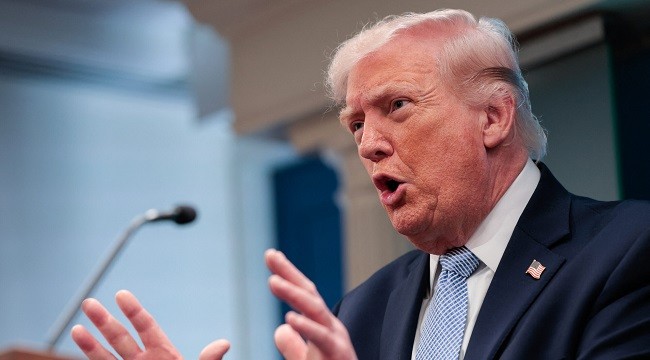
While Trump did not provide full details of the proposed deal, he stated that an announcement would be made once outstanding issues are resolved.
Iranian media, however, appeared more cautious. The country’s Fars news agency reported that Tehran would retain control over the Strait of Hormuz and described Trump’s comments that a final agreement was near as not fully reflecting the situation on the ground.
Iran had earlier confirmed that efforts were underway to draft a memorandum outlining a path toward ending hostilities following talks involving senior Iranian officials and Pakistan’s army chief, Asim Munir.
Pakistan’s military later described the negotiations as encouraging, with sources involved in the talks reportedly saying the proposed framework is extensive and aimed at permanently ending the conflict.
According to reports, the draft agreement could unfold in three phases: a formal end to the war, resolution of tensions surrounding the Strait of Hormuz, and the launch of a 30-day negotiation period for a broader settlement.
Trump had earlier hinted at possible military action if diplomacy failed, saying the United States would either secure an acceptable agreement or consider stronger measures.
The US president also held discussions on Saturday with leaders from Saudi Arabia, Qatar, United Arab Emirates, Jordan, Egypt, Turkey and Pakistan, with reports indicating that the leaders encouraged continued diplomatic engagement.
Meanwhile, US Secretary of State Marco Rubio reiterated Washington’s position that Iran must not possess nuclear weapons and that navigation through the Strait of Hormuz should remain unrestricted.
Rubio, speaking during a visit to India, said negotiations were ongoing and progress had been recorded.
Iran has consistently denied pursuing nuclear weapons, maintaining that its uranium enrichment programme is intended for civilian use.
Tehran has also demanded an end to restrictions affecting its ports and oil exports, while insisting on security oversight around the Strait of Hormuz.
Iranian Foreign Ministry spokesperson, Esmail Baghaei, said recent developments pointed to reduced tensions, although several unresolved issues remained under discussion.
He noted that Iran’s immediate focus remains preventing renewed US military action and addressing regional security concerns, including ongoing clashes involving Hezbollah forces in Lebanon.
Iranian officials also warned that any renewed conflict could trigger a stronger response, insisting the country had maintained its military capabilities despite weeks of fighting.