- He emphasized that Iran would not agree to a temporary halt in fighting
- He accused the United States and Israel of fueling instability in the region
- Pakistan’s army chief, Asim Munir, is currently in Tehran engaging with top Iranian officials
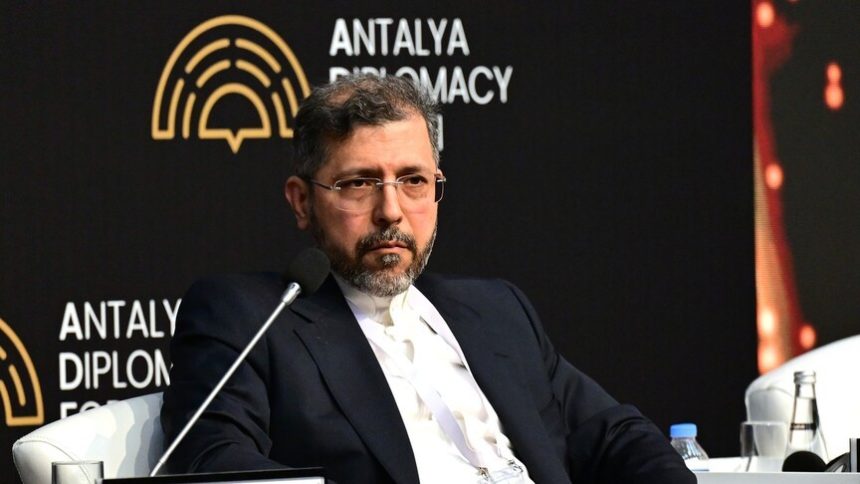
Iran has dismissed the idea of a short-term ceasefire, insisting instead on a broad and permanent end to hostilities across the region, according to Deputy Foreign Minister Saeed Khatibzadeh.
Speaking on the sidelines of the Antalya Diplomacy Forum, Eko Hot Blog gathered that Khatibzadeh told journalists that any ceasefire arrangement must cover all active conflict zones, stretching from Lebanon to the Red Sea. He described this condition as non-negotiable for Tehran.
EDITOR’S PICK
- Interior Ministry Orders Immediate Deactivation of Passports for Former Citizens
- Iran Sets Conditions as US Warns Ahead of Talks
- 7 Things People Over 50 Should Do Every Morning for Better Health
He emphasized that Iran would not agree to a temporary halt in fighting, arguing that ongoing cycles of violence must be brought to a definitive end rather than paused.
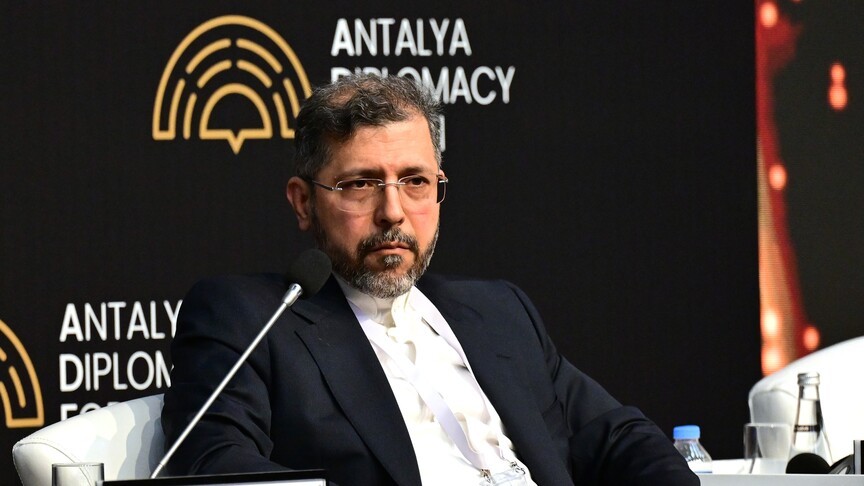
Khatibzadeh noted that mediation efforts led by Pakistan are focused on achieving a comprehensive resolution to the conflict.
Addressing concerns about the Strait of Hormuz, he stated that the passage has historically remained open to international traffic, even though it falls within Iran’s territorial waters.
However, he suggested that new measures could be introduced in response to current tensions, particularly regarding security, navigation safety, and environmental protection.
He accused the United States and Israel of fueling instability in the region, claiming their actions have disrupted global trade and negatively impacted the international economy.
Despite the tensions, Khatibzadeh reiterated Iran’s commitment to keeping the Strait accessible, adding that a lasting peace, along with what he described as a moderation of U.S. policies, would help ensure the waterway remains stable for global commerce.
Meanwhile, Pakistan’s army chief, Asim Munir, is currently in Tehran engaging with top Iranian officials, including Masoud Pezeshkian, Mohammad Bagher Qalibaf, and Abbas Araghchi, as part of ongoing diplomatic efforts.
Munir has also met with senior military figures in Iran to advance mediation aimed at ending the conflict.
Pakistan had earlier facilitated talks that resulted in a 14-day ceasefire between Washington and Tehran on April 8, following the escalation that began on February 28 involving U.S. and Israeli military actions.
The forum in Türkiye, running from April 17 to 19, has drawn global leaders and officials to discuss pressing international issues and regional security challenges.
FURTHER READING