- Grand Ayatollah Ali Sistani, the highest religious authority in Iraq, has issued a stern condemnation of the military offensive against Iran, labeling it an “unjust war.”
- Sistani, who typically maintains a neutral stance in regional politics, called on the global Muslim community to stand in solidarity with the Iranian people to thwart the “sinister goals” of the attackers.
- His statement follows the deaths of Iranian Supreme Leader Ayatollah Ali Khamenei and his family members in high-precision U.S.-Israeli airstrikes.
Iraq’s Grand Ayatollah Ali Sistani has officially denounced the ongoing military operations against Iran.
Eko Hot Blog reports that speaking from the holy city of Najaf on Wednesday, March 4, 2026, the 95-year-old cleric urged “all Muslims and free people around the world” to voice their opposition to the conflict.
EDITOR’S PICK
- 540 Candidates Cleared as Lagos APC Moves to Elect LGA Executives
- Court Sentences Pastor to Death for Killing UniUyo Student
- Lagos Teacher Questions Lack of Recognition for One-Day Governor Mentors
Sistani’s message was a direct response to “Operation Epic Fury,” the U.S.-Israeli campaign that has targeted Iran’s nuclear facilities, military command centers, and top leadership in a series of devastating strikes.
The Grand Ayatollah’s statement specifically mourned the loss of Iran’s Supreme Leader, Ayatollah Ali Khamenei.
Sistani warned that the assassination of such a high-ranking religious and political figure was a strategic attempt to destabilize the entire region.
He emphasized that the Iranian people must remain unified in the face of these “sinister goals,” suggesting that any internal division would only aid the foreign aggressors.
While Sistani has historically been a rival to the Iranian clerical establishment, often resisting Tehran’s influence in Iraqi politics, this move signals a bridging of sectarian and political divides in the face of a perceived existential threat to Shiite authority.
The cleric’s call for a “just and peaceful solution” to the Iranian nuclear issue puts renewed pressure on international diplomatic bodies.
Sistani particularly called upon Islamic nations to use every available resource to end the hostilities immediately.
His influence is immense, with millions of followers across the Middle East, and his condemnation is likely to embolden anti-war sentiments in Iraq and Lebanon.
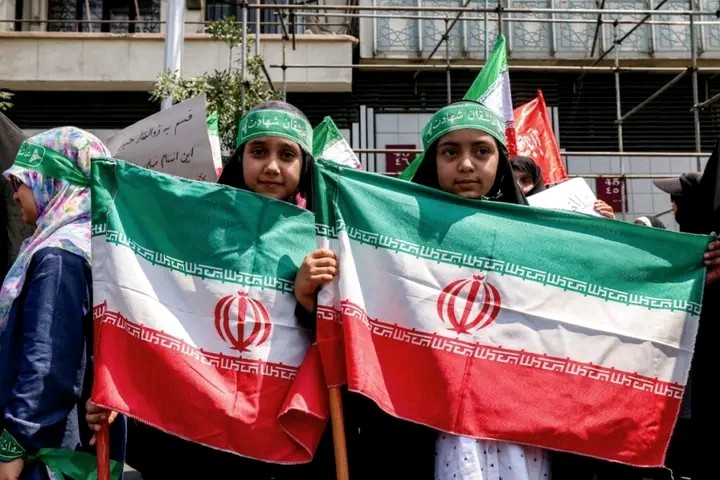
Protests have already intensified across major cities in the region, with many demonstrators citing Sistani’s words as a religious mandate to oppose U.S. and Israeli intervention.
As the war enters its fifth day, the humanitarian and political consequences are mounting. Sistani’s intervention complicates the Trump administration’s projected timeline for a short, targeted campaign.
With the Grand Ayatollah effectively labeling the U.S. and Israeli actions as a violation of Islamic solidarity, there are growing fears of increased insurgent activity against U.S. assets in Iraq.
For now, the world awaits to see if this spiritual rebuke will lead to a shift in military strategy or if the campaign will continue despite the escalating religious and diplomatic fallout across the Muslim world.