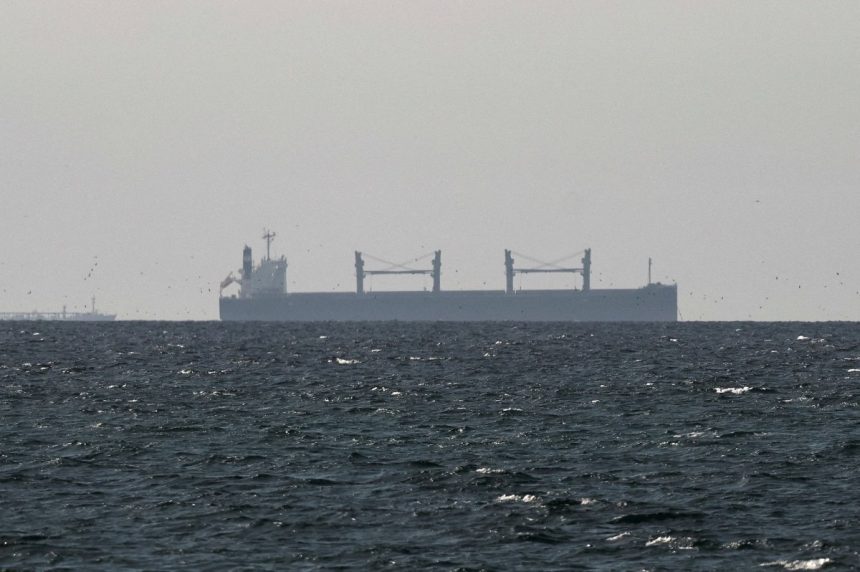
- Trump argued that nations benefiting from energy supplies passing through the strait should take responsibility for protecting it
- She also said Japan is continuing diplomatic engagement with Iran and exchanging information with other countries
- China has been holding talks with Iran on ways to ensure the safe passage of oil and gas shipments through the waterway
Japan and Australia have indicated that they do not currently intend to deploy naval ships to safeguard commercial vessels passing through the Strait of Hormuz, despite calls from the United States for allied support in the region.
U.S. President Donald Trump had earlier revealed that Washington contacted several countries, urging them to help secure the strategic waterway, Eko Hot Blog reports.
EDITOR’S PICK
- Why Return of Lagos Monthly Sanitation Exercise is Long Overdue
- Four Killed as Truck Crashes Into Bus on Lekki–Epe Expressway
- Uzodimma: Tinubu Reforms Prevent Fuel Crisis
Speaking to reporters aboard Air Force One, Trump argued that nations benefiting from energy supplies passing through the strait should take responsibility for protecting it.
However, Japan’s Prime Minister Sanae Takaichi said no formal request had yet been made by the United States. She explained that Tokyo had not taken any decision about sending escort ships and was still evaluating possible actions within the limits of Japan’s legal framework.
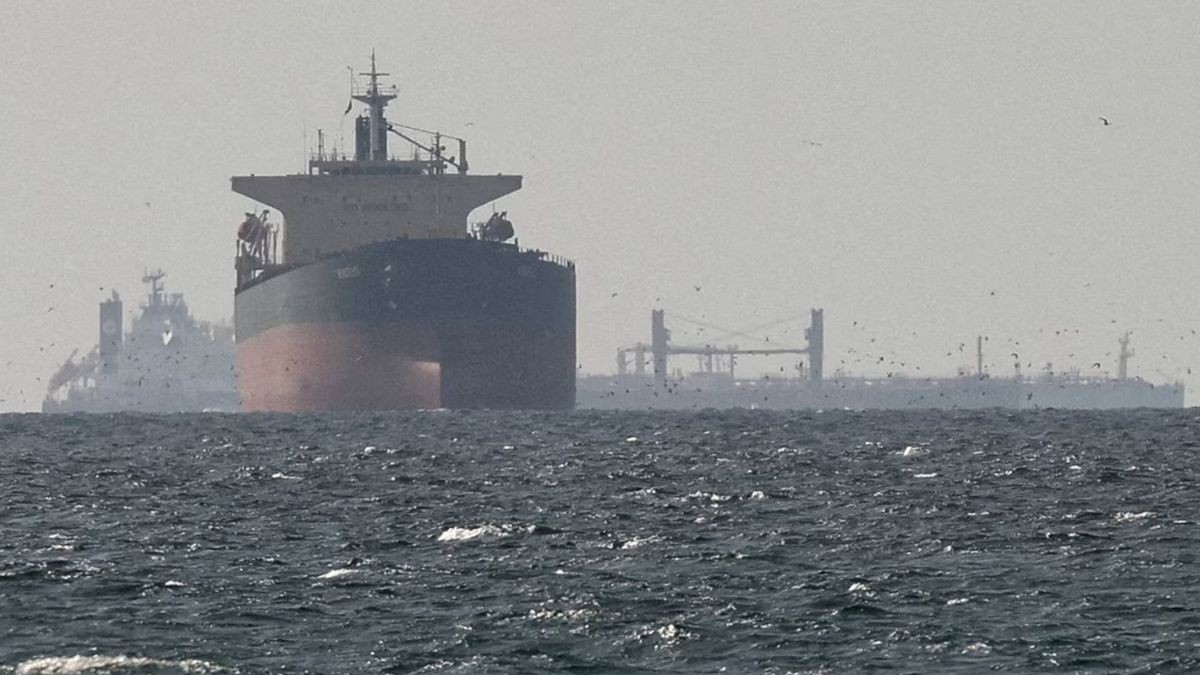
Takaichi told lawmakers that the issue remains complex under Japanese law, adding that the government is carefully assessing its options. She also said Japan is continuing diplomatic engagement with Iran and exchanging information with other countries to help ease tensions.
While Japan has started releasing oil from its strategic reserves to maintain supply stability, officials say deploying the country’s Self-Defence Forces overseas remains a politically sensitive step. Takayuki Kobayashi, policy chief of the ruling Liberal Democratic Party, described the threshold for military involvement as extremely high.
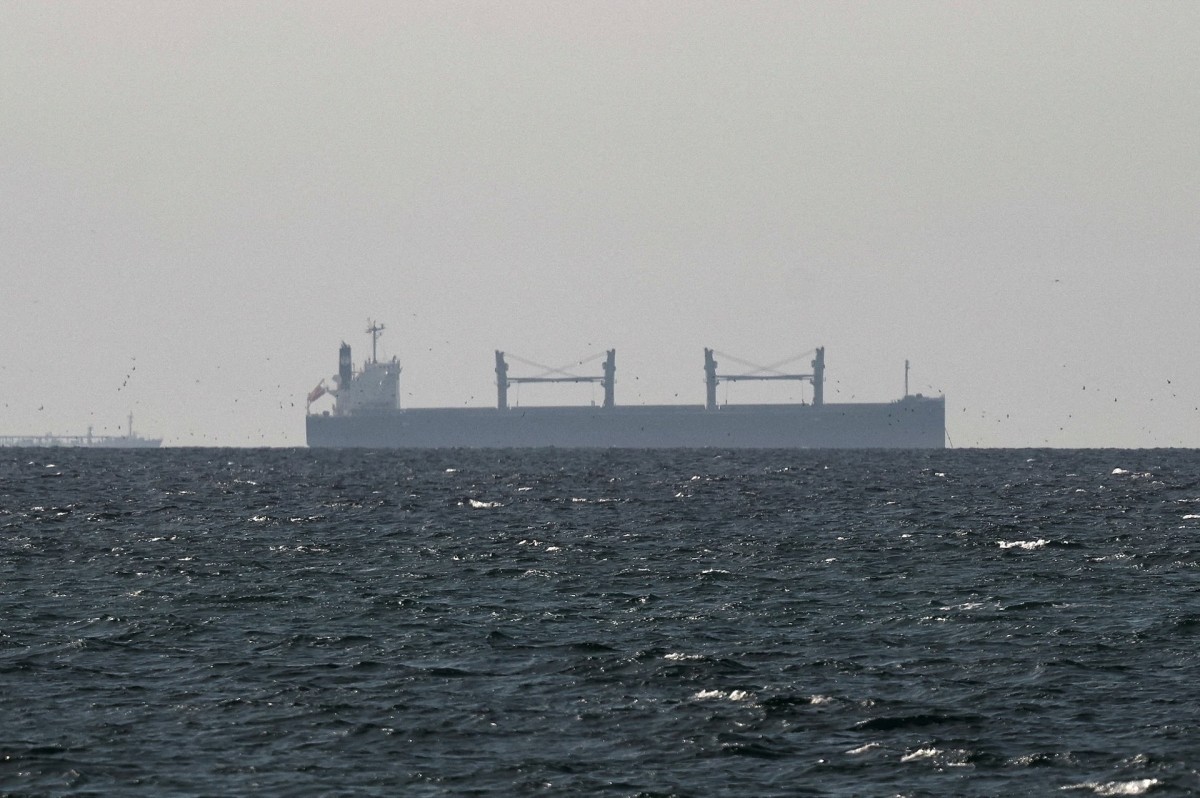
Australia has also made it clear that it does not plan to send naval vessels to the area. Transport Minister Catherine King said Canberra’s current contribution involves supporting defensive efforts in the United Arab Emirates, particularly to assist Australians living in the region.
She added that Australia has not received a request to deploy ships to the Strait of Hormuz and therefore has no plans to do so.
Australia’s shadow defence minister, James Paterson, said any potential request would need to be carefully evaluated. He noted that naval vessels operating in the region must be capable of defending themselves against possible drone or missile attacks.
Several other countries contacted by Washington have also shown reluctance to send military forces to the strait. Trump earlier mentioned China, France, Japan, South Korea and the United Kingdom as nations he hoped would participate in protecting the shipping route.
British officials are reportedly considering the use of aerial minesweepers but have warned that deploying warships could further escalate tensions in the region.
France has also ruled out increasing its military presence, stating that its current position is aimed at maintaining stability rather than worsening the conflict.
South Korea has said it will continue discussions with the United States before making any decision.
Meanwhile, reports suggest China has been holding talks with Iran on ways to ensure the safe passage of oil and gas shipments through the waterway.
Trump also hinted that his planned trip to China could be postponed if Beijing does not offer support, saying the country should help protect the route because it relies heavily on oil shipments passing through the Strait of Hormuz.
FURTHER READING